
Dec . 01, 2025 05:40 Back to list
Ceiling Mounted Access Panels | Durable & Secure Access Solutions for Modern Buildings
Understanding Ceiling Mounted Access Panels: Small Openings With Big Impact
It’s funny how some of the smallest details in construction or facility management carry such massive weight. Ceiling mounted access panels are those humble, often overlooked gateways hidden up above, yet they unlock critical functionality in buildings worldwide. Why does this matter beyond just a practical fix? Because access panels, especially the ceiling-mounted type, intersect with global issues like sustainable maintenance, safety, and the rapid deployment of infrastructure in emergencies. As our built environment becomes smarter and more reliable, understanding these panels — what they are and why they’re indispensable — can transform how we think about building design and operations.
The Global Relevance of Ceiling Mounted Access Panels
Globally, buildings consume roughly 40% of energy while accounting for a significant portion of maintenance costs (IEA, 2023). Ceiling mounted access panels may sound trivial next to that, but they play a strategic role in building maintenance efficiency, fire safety compliance, and accessibility for HVAC systems, sprinklers, and electrical wiring. The UN, through its sustainable development goals, emphasizes infrastructure resilience and sustainable cities (Goal 11). Access panels make maintenance less disruptive, safer, and more cost-effective — helping buildings age gracefully while lowering environmental impact.
Yet challenges remain — how do we improve the durability, security, and ease of use of these panels? How can they adapt in an era dominated by digital automation and green building standards? These questions mark the crossroads where the humble access panel meets evolving construction needs.
What Exactly Are Ceiling Mounted Access Panels?
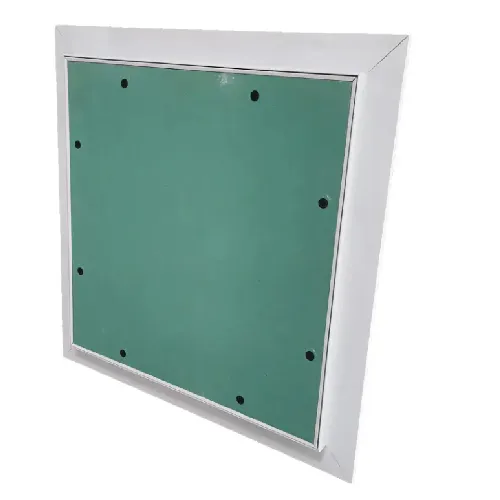
Simply put, a ceiling mounted access panel is a deliberately designed opening in a ceiling that provides entry to concealed spaces, like air ducts, plumbing junctions, or electrical conduits. Imagine it as a secret door in your ceiling allowing technicians easy access without destroying walls or tiles.
Why does that matter? In modern construction and humanitarian projects—like disaster relief shelters or rapid-deploy medical setups—they allow quick inspections and repairs while maintaining structural integrity and aesthetics. Without them, maintenance often means costly tear-outs or unsafe workarounds.
Mini takeaway:
- Access panels simplify maintenance and safeguard essential infrastructure concealed in ceilings.
- They balance ease of access with durability and fire safety concerns.
Core Components and Key Factors Behind Ceiling Mounted Access Panels
1. Durability and Material Quality
Panels are frequently made from galvanized steel, aluminum, or sometimes composite plastics. Durability is key — you want panels that resist corrosion, are fire-rated, and don’t warp over time, especially given the humidity and heat cycles common in HVAC zones. Interestingly, many prefer powder-coated finishes for added longevity.
2. Ease of Installation and Access
Quick installations save money and time. Panels with snap-lock latches or hinged designs mean technicians can access concealed systems without special tools. In fast-paced industrial or emergency contexts, this can be the difference between an hour-long disruption and a no-hassle fix.
3. Security and Concealment
Not all panels are just functional; some double as theft-deterrents or fire-rated safety barriers. For sensitive environments—think data centers or hospitals—panels must not only be physically secure but also blend seamlessly with ceiling aesthetics to avoid drawing unwanted attention.
4. Size and Modular Scalability
From tiny square taps to large rectangular door-sized panels, versatility is key. Modular designs let builders customize access points based on the equipment behind them. Scalability also matters when integrating panels with ceiling grids or dropped ceilings common in commercial buildings.
5. Compliance and Fire Safety Standards
Panels often must meet specific standards like UL 955 (access panel fire-resistance) to ensure they don’t compromise building safety. When fire spreads quickly through unsealed openings, the stakes become obvious.
Mini takeaway:
- Quality materials and thoughtful design maximize panel lifetime and safety.
- Ease and security form a delicate balance crucial in all settings.
Where Do Ceiling Mounted Access Panels Come Into Play Globally?
Let me pull back the curtain on a few uses across different sectors:
- Commercial Buildings: Office towers rely on access panels to inspect HVAC air handlers without dismantling ceilings during tight maintenance windows.
- Industrial Sites: Heavy industries use rugged panels to swiftly service pipes or cables in dusty or corrosive environments.
- Humanitarian Aid: In post-disaster shelters, quick-to-install access panels help maintain water and electrical lines, dramatically speeding up shelter readiness (a real life-saver, literally).
- Healthcare Facilities: Hospitals require sterile, easy-clean panels that also do not compromise emergency systems access.
Oddly enough, rural regions with nascent infrastructure benefit equally — access panels reduce costly repairs by allowing faster fault detection.
Mini takeaway:
- From urban skyscrapers to remote relief camps, these panels enable critical access to hidden systems.
- They help maintain safety, comfort, and function without tearing building fabric apart.
Advantages & Long-Term Value of Using Ceiling Mounted Access Panels
When you think long-term, the benefits stack up nicely:
- Cost Savings: Less need for demolition means less labor, less downtime, and lower refurbishment costs.
- Sustainability: By preserving existing construction, panels support circular economy principles and reduce waste.
- Safety: Quick access minimizes the risks of accidents or system failures impacting occupants.
- Trust & Innovation: Architects and engineers can design smarter spaces without compromising accessibility.
There’s an emotional side here too. Knowing systems behind walls can be quickly reached makes one feel safer and more confident—whether that’s the maintenance crew or the building occupants.
Looking Forward: What’s Next for Ceiling Mounted Access Panels?
The future will likely see more smart panels featuring embedded sensors to monitor environmental conditions or system status remotely. Imagine a panel that not only opens easily but can alert you when a pipe leaks or a wire shorts before disaster even starts breaking loose.
New materials like recycled composites or fire-resistant bio-based plastics are gaining traction—treading lightly on the planet’s resources. On top of that, modular and pre-fabricated panels integrated with BIM (Building Information Modeling) systems are transforming installation and management.
Common Challenges & How Experts Solve Them
- Challenge: Panels that get stuck or don’t seal properly cause energy loss and water intrusion.
Solution: Precision engineering and better latch designs have brought significant improvement. - Challenge: Balancing aesthetics with function—especially in high-end buildings.
Solution: Custom finishes, invisible hinges, and flush mount options satisfy picky architects and owners. - Challenge: Complying with regional fire and safety codes which vary broadly.
Solution: Manufacturers collaborate across standards organizations, delivering certified panels worldwide.
Product Specification Table: Typical Ceiling Mounted Access Panel
| Specification | Details |
|---|---|
| Material | Galvanized Steel / Aluminum / Composite |
| Finish | Powder Coating (various colors available) |
| Sizes Available | From 200 x 200 mm to 600 x 1200 mm |
| Fire Rating | UL 955 Certified (up to 2 hours) |
| Access Type | Snap Lock, Hinge, or Screw-Fixed |
| Compatibility | Standard Ceiling Tiles & Grids |
Vendor Comparison: Leading Ceiling Mounted Access Panel Manufacturers
| Feature | Xingyuan Ceilings | Apline Access | SecurePanel Co. |
|---|---|---|---|
| Material Options | Steel, Aluminum, Composite | Steel, Plastic | High-Grade Steel Only |
| Fire-Rated Models | Yes (UL 955) | Limited | Yes (European Certified) |
| Custom Sizes | Available | Limited | Available |
| Installation Support | Comprehensive Service | DIY Kits | Limited |
| Price Range | Mid | Low | High |
Frequently Asked Questions About Ceiling Mounted Access Panels
Q1: What sizes do ceiling mounted access panels typically come in?
A1: Sizes vary widely but generally range from small panels around 200 x 200 mm up to large rectangular panels exceeding 600 x 1200 mm. Many vendors offer custom sizes to fit specific ceiling grid dimensions or access needs.
Q2: Are these access panels fire rated?
A2: Yes, many ceiling mounted access panels come with fire ratings—certifications like UL 955 ensure panels can withstand fire for up to two hours, maintaining building safety and integrity during emergencies.
Q3: How easy is it to install a ceiling mounted access panel?
A3: Modern designs typically focus on ease of installation, often featuring hinged doors or simple snap-locks. This allows for retrofit projects or new builds with minimal disruption. Installation support varies by vendor.
Q4: Can I use ceiling mounted access panels in a hospital or clean-room environment?
A4: Absolutely. Panels for healthcare environments usually feature hygienic materials, smooth finishes for easy cleaning, and airtight seals to prevent contamination.
Q5: How do I choose the right access panel for my project?
A5: Consider your application’s demands—material durability, size, fire rating, and aesthetics. Consulting with a reputable vendor like Xingyuan Ceilings can guide you to the best solution.
In Conclusion: Unlocking Efficiency One Panel at a Time
The long-term benefits of ceiling mounted access panels stretch far beyond their modest size. They protect, enable, and sustain vital building functions with something close to elegance. Whether you’re an engineer tasked with optimizing maintenance, an architect aiming for seamless design, or a facility manager craving hassle-free repairs, smart choices about your access panels pay off in reliability and peace of mind.
For a deeper dive, or if you’re in the market for customizable, durable ceiling access solutions, don’t hesitate to visit our website: https://www.xingyuanceilings.com
References
-
Benefits and Guide of Mineral Fiber Ceiling Board for InteriorsNewsApr.16,2026
-
Modern Mineral Fiber Ceiling Solutions for Acoustic PerformanceNewsApr.09,2026
-
Mineral Fibre Board Ceiling vs Gypsum Board A Comprehensive Comparison GuideNewsApr.07,2026
-
Comprehensive Guide to Mineral Fiber Ceiling Specification and PerformanceNewsApr.04,2026
-
What Are Mineral Fiber Ceiling Tiles Made Of And Their ApplicationsNewsMar.31,2026
-
Exploring the Benefits of Suspended Mineral Fibre Ceiling Systems for Modern BuildingsNewsMar.28,2026