
Dec . 01, 2025 04:05 Back to list
Affordable & Reliable Ceiling Hatch Screwfix Solutions for Safe Building Access
Understanding Ceiling Hatch Screwfix: Why It Matters Worldwide
When you’re rummaging through construction supplies or home repair tools, the phrase ceiling hatch Screwfix might pop up — but why is it truly significant on a global scale? Beyond being just a panel or door in your ceiling, a ceiling hatch serves vital roles in building accessibility, safety, and maintenance. Screwfix, as one of the leading UK suppliers of trade tools and parts, makes these components widely accessible, and understanding their features benefits homeowners, contractors, and facility managers worldwide.
Globally, buildings age, maintenance demands increase, and safety codes evolve. A reliable ceiling hatch system can provide quick, secure access to voids, wiring, and ventilation shafts without the typical hassle. For large infrastructure projects, hospitals, or industrial zones — efficiency and safety aren't luxuries; they’re requirements. Knowing the ins and outs of these products can help avoid costly repairs and improve worker safety right where it matters.
Setting the Scene: The Global Importance of Ceiling Hatch Screwfix
Modern construction standards across nations (ISO 9001:2015 being a prime example) emphasize secure access to building services. With urbanization rates climbing globally — the UN reports that by 2050, 68% of people will live in cities — ease of maintenance becomes a pressing issue.
Unfortunately, many older buildings lack safe, practical access points for inspectors or technicians, often leading to dangerous workarounds or structural compromises. This is where ceiling hatch Screwfix solutions show their value: they provide engineered products compliant with international building codes, combining security with convenience.
According to the World Bank’s latest infrastructure reports, over 40% of infrastructure failures have been linked to poor maintenance access. So, what is it about these ceiling access hatches specifically that helps bridge this gap?
What Exactly Is a Ceiling Hatch Screwfix?
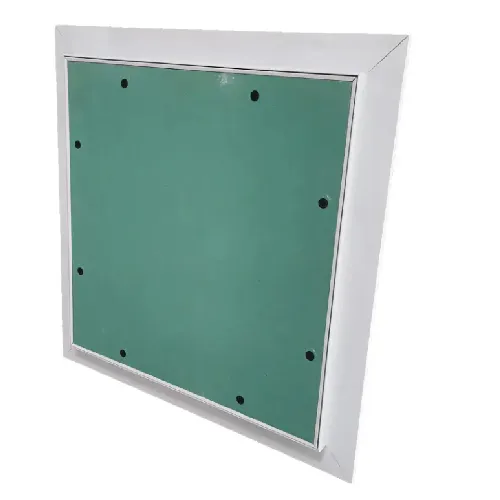
Put simply, a ceiling hatch is a removable or hinged panel that allows access through the ceiling for maintenance or inspection. The “Screwfix” part refers to the trusted brand and retailer providing a variety of hatches tailored for different environments.
Beyond just a panel, these hatches often feature secure locking mechanisms, durable materials to meet fire and load resistance standards, and easy installation designs. For commercial and industrial settings, it’s about more than convenience — it’s about compliance with safety regulations and evacuation protocols.
A lot of humanitarian and emergency facilities, too, rely on these components to enable quick access without compromising safety or dignity.
Core Elements of Ceiling Hatch Screwfix Products
1. Durability & Material Quality
Most ceiling hatches offered through Screwfix are crafted from galvanized steel, aluminum, or reinforced plastic composites. These materials resist corrosion and endure temperature shifts, ensuring longevity.
2. Security & Locking Systems
The right hatch prevents unauthorized access while allowing authorized maintenance personnel to operate it without tools or with simple key systems. This balances safety and convenience.
3. Fire & Safety Certifications
Especially in commercial or multi-residential builds, fire-rated ceiling hatches comply with strict international standards, reducing risk and ensuring insurance requirements are met.
4. Installation & Size Versatility
Varied ceiling heights and thicknesses demand flexible sizing. Screwfix stocks from very small (300x300 mm) to large access panels, often customizable for specific projects.
5. Ease of Maintenance
Quick opening mechanisms and lightweight construction reduce time and labor during inspections, which pays off in the long run.
Mini takeaway: The blend of material science, safety compliance, and user-oriented design makes ceiling hatch Screwfix products a surprisingly complex yet essential building component.
Where You See Ceiling Hatch Screwfix in Action
Believe it or not, these small components play out big roles worldwide. In industrial plants across Europe, they allow technicians to efficiently check HVAC systems without shutting down operations. In remote African hospitals, durable, secure ceiling hatches enhance safety and quick maintenance despite harsh environments.
Post-disaster relief housing — such as that built after earthquakes — often includes ceiling access for emergency services or rapid repairs. Even high-tech data centers in North America utilize ceiling hatches optimized for cable management and security.
Organizations like Habitat for Humanity employ these hatches for quick retrofit installations, balancing cost and build quality, especially in urban areas with limited space.
Why Investing in Quality Ceiling Hatches Pays Off
- Cost efficiency: reduced labor time and lower repair incidence.
- Sustainability: longer lifespan materials reduce waste and replacements.
- Safety: certified fire resistance and secure locking mechanisms mean peace of mind.
- Social impact: accessibility promotes safer, more humane infrastructure.
- Innovation: newer designs integrate with smart building tech for digital monitoring.
Ultimately, a ceiling hatch isn’t just a door — it’s a small but vital gateway to maintaining systems that keep buildings safe, efficient, and resilient.
Spotlight: Comparing Popular Ceiling Hatch Screwfix Products
| Model | Material | Fire Rating | Size (mm) | Lock Type |
|---|---|---|---|---|
| Screwfix Steel Pro | Galvanized Steel | 60 Minutes | 600x600 | Key Lock |
| EasyOpen Aluminium | Aluminum Alloy | Not Rated | 500x500 | Spring Latch |
| Fireguard Composite | Reinforced Plastic | 90 Minutes | 700x700 | Key Lock + Handle |
Top Vendors: Choosing the Right Ceiling Hatch Supplier
| Vendor | Product Range | Pricing | Delivery | Customer Support |
|---|---|---|---|---|
| Screwfix | Broad, trade-focused | Mid-range | Next-day available | Extensive, online & phone |
| Travis Perkins | Specialist, bespoke options | Higher | Standard 3–5 days | In-depth onsite advice |
| Wickes | DIY and small projects | Low to mid | In-store pickup | Basic phone support |
Looking Ahead: Innovations in Ceiling Hatch Screwfix Products
With sustainability being a global buzzword (ISO 14000 series standards leading the way), many ceiling hatches now leverage recycled metals and eco-friendly composites. Plus, the rise of smart building systems means you can expect hatches integrated with sensors to alert building managers if doors are left open or if unauthorized access is attempted.
Automation in installations, self-locking mechanisms, and even antimicrobial surfaces for hospital ceiling hatches are trends worth noting. Frankly, the humble ceiling hatch is evolving, driven by a demand for buildings that think and adapt to their environment.
Facing the Challenges: What Holds Back Ceiling Hatch Uptake?
Despite these advances, challenges remain. Older buildings often require custom-fit hatches which add to costs and lead times. Installation can be tricky without professional help, making DIY attempts risky.
Building codes vary widely by region, causing confusion about compliance. However, vendors like Screwfix now provide better support resources, installation guides, and even customizable products to bridge those gaps.
FAQ: Your Questions About Ceiling Hatch Screwfix Answered
Q: What sizes of ceiling hatch Screwfix offers are most commonly used in commercial buildings?
A: In commercial settings, sizes around 600x600 mm and 700x700 mm dominate, balancing sufficient access with ceiling design constraints.
Q: Can I install a ceiling hatch without professional help?
A: While some DIY-savvy folks manage smaller, lightweight aluminum hatches, it’s usually best to consult a professional for steel or fire-rated models to ensure safety and compliance.
Q: Are ceiling hatches from Screwfix suitable for damp environments?
A: Yes, certain models come with corrosion-resistant coatings and seals designed for moisture-prone areas like bathrooms or kitchens.
Q: How do I know if a ceiling hatch is fire-rated?
A: Fire-rated ceiling hatches will have certification labels and conform to standards such as EN 13501-2. Always check product specs carefully.
Q: Where can I find more detailed technical guidance or installation manuals?
A: Most vendors, including Screwfix, provide downloadable PDFs and instructional videos online; you can also ask customer support for expert advice.
Wrapping Up: The Value of Choosing the Right Ceiling Hatch
Ceiling hatches, especially those from reliable sources like Screwfix, play an outsized role in building safety, maintenance, and efficiency. Investing in quality products today can save money, time, and stress tomorrow — whether you’re maintaining a sprawling industrial site or just upgrading your home.
So if you want to explore a smart selection of accessible, secure ceiling access panel options, visit our website — let’s help keep your building systems running smoothly and safely.
References:
-
Benefits and Guide of Mineral Fiber Ceiling Board for InteriorsNewsApr.16,2026
-
Modern Mineral Fiber Ceiling Solutions for Acoustic PerformanceNewsApr.09,2026
-
Mineral Fibre Board Ceiling vs Gypsum Board A Comprehensive Comparison GuideNewsApr.07,2026
-
Comprehensive Guide to Mineral Fiber Ceiling Specification and PerformanceNewsApr.04,2026
-
What Are Mineral Fiber Ceiling Tiles Made Of And Their ApplicationsNewsMar.31,2026
-
Exploring the Benefits of Suspended Mineral Fibre Ceiling Systems for Modern BuildingsNewsMar.28,2026