
Dec . 01, 2025 02:30 Back to list
Frameless Access Panel Ceiling: Seamless Access Meets Modern Design
What Is a Frameless Access Panel Ceiling—and Why Should You Care?
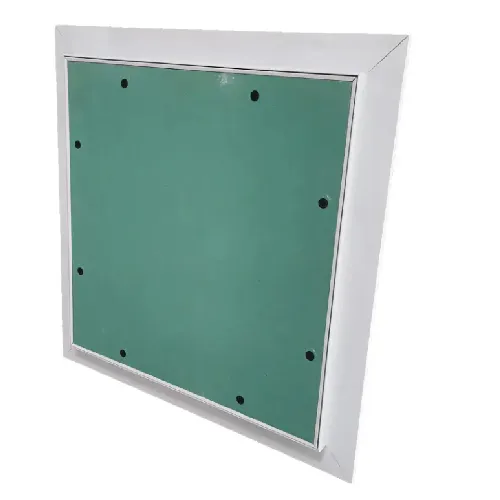
If you’ve ever peeked above a suspended ceiling or fiddled around in commercial or industrial facilities, you might have noticed access panels: the tidy doors scattered around that allow quick access to utilities, wiring, or ducts. Now, imagine those panels without the usual bulky frames—a frameless access panel ceiling reduces visual clutter while keeping all that critical infrastructure easily reachable. Simple, yet smart.
Why’s this a global topic? As buildings around the world become more complex and design-focused, seamless aesthetics and quick maintenance access are no longer luxuries but essentials. This product quietly addresses safety standards, sustainability goals, and efficiency needs all at once, affecting industries from construction to healthcare.
Understanding frameless access panel ceilings helps architects, engineers, and facility managers keep spaces clean-looking without sacrificing function, making it a small but mighty piece in the puzzle of modern infrastructure.
The Growing Global Demand for Seamless Access Solutions
Globally, commercial and institutional construction markets are expanding rapidly. According to the World Bank, urbanization rates accelerate by an average of 2% annually. More buildings mean more hidden mechanical, electrical, and plumbing (MEP) systems demanding easy access.
But the challenge is clear: traditional framed access panels clash with contemporary architecture’s minimalist trends. They can interrupt HVAC flow, collect dust, and look clunky. Plus, inefficient panels often slow down emergency access or repair work, driving up operational costs.
This is where frameless designs answer a core challenge—combining form with function while meeting international safety and fire codes (like those outlined in the ISO 7010 standard).
Setting It Straight: What Exactly Is a Frameless Access Panel Ceiling?
Put simply, a frameless access panel ceiling is an access door or hatch installed flush with ceiling surfaces but without the traditional visible metal or wood frames that usually surround it. The edges are clean, often using concealed clips or magnetics, giving an almost seamless, 'floating' appearance.
In practice, this innovation perfectly fits modern architecture and stringent building codes that require both easy access to utilities and high fire resistance or sound attenuation.
Why are frameless panels relevant beyond aesthetics?
- They improve safety by allowing rapid emergency maintenance.
- Simplify retrofitting in existing buildings where bulky panels would be disruptive.
- Reduce material use—helping cut waste and meeting sustainability goals.
Core Aspects of Frameless Access Panel Ceilings: What Really Matters
Durability
Most frameless panels are crafted from galvanized steel or lightweight aluminum alloys, which resist corrosion and wear. This means fewer replacements, which is a small but neat contribution toward sustainability.
Installation Flexibility
Many engineers appreciate how easy these panels are to install without cumbersome frameworks, making them ideal for modular or retrofitted spaces. The hidden fixing mechanisms keep the ceiling line clean but still secure.
Fire and Safety Compliance
Since access panels often lead to critical infrastructure, they commonly meet fire rating standards (up to 2 hours) and smoke-tight requirements. This ensures buildings remain code-compliant without aesthetic compromises.
Acoustic Performance
Some frameless panels integrate sound insulation layers, crucial in hospitals or office spaces where noise reduction improves comfort and productivity.
Cost Efficiency
While prices vary, frameless panels can reduce labor and material costs in the long run thanks to faster installation and fewer replacements needed due to corrosion or mechanical failure.
Maintenance Simplicity
With tool-less or minimal-tool access options (think magnets or spring latches), maintenance staff can safely and quickly reach the ceiling voids without disrupting spaces.
Mini takeaway: These panels feel like a perfect storm of convenience, cost, and style in modern facility design.
Real-World Applications of Frameless Access Panel Ceilings
Their usage stretches far beyond office buildings or malls. Across the globe, frameless access panel ceilings have found homes in:
- Healthcare Facilities — sterile environments demand smooth finishes without crevices for bacteria. Frameless panels meet hygiene and fire codes.
- Post-Disaster Relief Shelters — quick installation and maintenance access are essential where logistics are challenging.
- Modern Data Centers — minimize electromagnetic interference and optimize cooling systems.
- Remote Industrial Zones — rugged durability matches harsh environments, from oil rigs to mining sites.
- Luxury Residential and Hospitality Projects — where design continuity matters.
For example, a recent earthquake relief shelter project in Southeast Asia adopted frameless ceiling panels to speed deployment and reduce long-term maintenance costs while keeping the interiors sleek and safe.
What’s in It for You? Advantages & Long-Term Value
- Cost Savings: Less labor, fewer materials, and improved durability reduce lifetime operating expenses.
- Sustainability: Reduced steel usage and longer product life cycle support environmental goals.
- Safety & Compliance: Many products are fire-rated, coded, and tested against international standards.
- Enhanced Visual Appeal: Clean lines promote modern, minimalist design.
- Maintenance Ease: Faster, less intrusive access saves time and money.
- Trust & Reliability: Operators feel confident with quick emergency access and reduced panel failure risk.
Oddly enough, it’s this blend of the emotional—trust, dignity in design—and the logical—durability, cost—that sells the concept to both engineers and designers.
The Road Ahead: Innovations & Future Trends
Industry insiders have their eyes on integrating smart sensors into frameless panels for predictive maintenance—imagine a ceiling panel that alerts you before the water pipe behind it leaks.
On the materials front, advances in composites and recycled metals are making panels lighter, stronger, and greener. Automation plays a role too—robotic installation tools could soon perfectly align and secure these panels faster than any human team.
Digitally, BIM (Building Information Modeling) compatibility ensures seamless design and maintenance workflows, marrying frameless panels perfectly with modern construction ecosystems.
Pain Points: Challenges & How to Overcome Them
- Cost Barriers: First investment can seem high—yet think long-term total cost of ownership, not just sticker price.
- Compatibility: Not every ceiling system easily integrates frameless panels; early planning is key.
- Security Concerns: Easy access might invite unauthorized entry. Solution: integrate lockable or sensor-monitored systems.
- Installation Expertise: Requires installers familiar with the hidden fixing methods to avoid damage.
Leading manufacturers increasingly provide training and end-user guides that smooth these hurdles.
Frequently Asked Questions About Frameless Access Panel Ceilings
- How does a frameless access panel differ from traditional framed panels?
- Frameless panels sit flush with ceilings without bulky metal or wood frames, giving a cleaner look and easier access using concealed fixing mechanisms.
- Are frameless access panels fire-rated?
- Yes, many models meet fire resistance standards up to 2 hours or more, complying with relevant safety codes for commercial buildings.
- Can these panels be retrofitted into existing ceilings?
- Definitely. They are designed for both new builds and renovations, although compatibility with existing ceiling systems should be checked.
- What maintenance is required for frameless access panel ceilings?
- Regular cleaning is minimal due to smooth surfaces; mechanical parts benefit from occasional inspection, especially locking or magnetic systems.
- Are frameless access panel ceilings environmentally friendly?
- Yes, they often use less material than traditional panels, last longer, and many are made with recyclable metals or composites supporting green building certifications.
Summary and Next Steps
Frameless access panel ceilings really are a quiet revolution in how modern spaces reconcile style, safety, and practicality. Their global adoption signals an industry moving toward smarter, more sustainable, and visually thoughtful building solutions every year.
If you want to explore high-quality options tailored for your project, from healthcare to data centers, visit our website. There’s a panel waiting to blend perfectly into your ceiling, ready to reveal what’s behind it—no fuss, no frame.
Product Specification Table
| Specification | Typical Value | Notes |
|---|---|---|
| Material | Galvanized Steel / Aluminum Alloy | Corrosion resistant |
| Fire Rating | Up to 120 minutes | Tested to EN 13501-2 or UL 263 |
| Size Range | 300mm x 300mm to 600mm x 600mm | Custom sizes available |
| Installation Method | Concealed clips / Magnets | Tool-less or minimal tools |
| Acoustic Rating | Rw 35-45 dB | Typical sound insulation level |
Vendor Comparison Table
| Vendor | Product Range | Price Range | Lead Time | Warranty |
|---|---|---|---|---|
| Xingyuan Ceilings | Custom frameless access panels, fire-rated, acoustic options | $$$ | 2-4 weeks | 5 years |
| PanelTech Solutions | Standard sizes, metal only, limited acoustic options | $$ | 3-6 weeks | 3 years |
| CeilAccess Pro | Wide customization, high acoustic & fire ratings | $$$$ | 4-8 weeks | 7 years |
Mini takeaway: While price and lead times vary, the balance between customization and standards compliance often guides vendor choice more than cost alone.
References & Further Reading
-
Benefits and Guide of Mineral Fiber Ceiling Board for InteriorsNewsApr.16,2026
-
Modern Mineral Fiber Ceiling Solutions for Acoustic PerformanceNewsApr.09,2026
-
Mineral Fibre Board Ceiling vs Gypsum Board A Comprehensive Comparison GuideNewsApr.07,2026
-
Comprehensive Guide to Mineral Fiber Ceiling Specification and PerformanceNewsApr.04,2026
-
What Are Mineral Fiber Ceiling Tiles Made Of And Their ApplicationsNewsMar.31,2026
-
Exploring the Benefits of Suspended Mineral Fibre Ceiling Systems for Modern BuildingsNewsMar.28,2026