
Dec . 01, 2025 00:40 Back to list
Plaster Ceiling Access Panel: Practical Insights & Global Trends for Smooth Building Maintenance
Why Understanding Plaster Ceiling Access Panels Matters – Globally and Practically
If you’ve ever peeked above a ceiling tile or wrestled with a tricky maintenance hatch, you might’ve encountered a plaster ceiling access panel. While it sounds pretty niche—almost something only contractors worry about—these panels play a surprisingly critical role worldwide.
Why? Because they grant essential access to infrastructure hidden above plaster ceilings, letting electricians, HVAC technicians, and other pros reach ducts, wiring, or piping without ripping into the ceiling every time. This convenience saves time, resources, and headaches, especially when considered on the scale of commercial buildings, hospitals, or transport hubs globally. Plus, they maintain the aesthetic integrity of plaster ceilings, which are still beloved in many places for their smooth, seamless finish.
With construction booming and maintenance demands rising, understanding plaster ceiling access panels isn't just a homeowner’s curiosity; it addresses vital questions on cost-efficiency, safety, and long-term building care worldwide.
Plaster Ceiling Access Panels in the Global Context: A Subtle Yet Significant Element
According to the United Nations' statistics, over 55% of the world’s population currently lives in urban areas, a figure expected to rise sharply by 2050. Urbanization drives demand for sophisticated, yet unobtrusive building solutions. Smooth plaster ceilings adorned with access panels—rather than large, unsightly hatches—offer a seamless way to keep essential building services accessible without disrupting design.
In practice, many countries adopt varied standards for ceiling designs, but the common challenge remains: how to balance functionality with aesthetics. The International Organization for Standardization (ISO) publishes guidelines (see ISO 5701) that encourage efficient and safe access solutions for concealed building services.
In short, the plaster ceiling access panel addresses a growing global need: unobtrusive maintenance access that’s efficient yet respects architectural style and safety norms across industries.
What Exactly Is a Plaster Ceiling Access Panel?
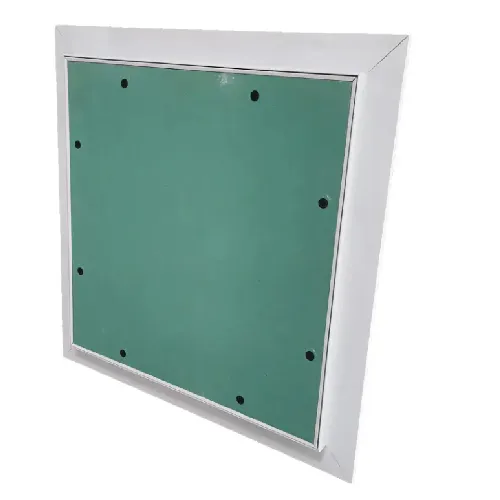
Put simply, a plaster ceiling access panel is a framed, usually rectangular opening integrated into plaster ceilings that provides easy entry to the concealed service areas above—think electrical wiring bundles, plumbing, or ventilation shafts.
Unlike traditional bulky access hatches, these panels are designed to blend seamlessly, often with a removable plasterboard or pre-finished surface that matches the ceiling. Technically, they act as the “hidden doors” for inspection, maintenance, or repair work in buildings.
In industrial settings and even humanitarian projects—say, rebuilding schools post-natural disaster—the ease of installation combined with the neat finish is a big advantage. It’s one of those behind-the-scenes components quietly supporting safe, efficient, and sustainable infrastructure development.
Core Components of Modern Plaster Ceiling Access Panels
1. Durability and Material Strength
If there’s anything that defines a successful plaster ceiling access panel, it’s how well it holds up over multiple openings and closings, sometimes in harsh environments. Modern panels use galvanized steel frames or aluminum to resist corrosion and physical stress, while the plasterboard surface stays intact without cracking.
2. Aesthetic Integration
These panels aim to disappear visually. Manufacturers design the removable plates to accept various finishing techniques—from fresh plaster application to paint matching the rest of the ceiling. This means architects can keep their designs clean without compromising on maintenance needs.
3. Size and Scalability
Most panels come in standard sizes—ranging anywhere from 200x200mm to 600x600mm—adjustable to suit specific service zones or constraints. Scalability is a must, especially for large commercial projects with diverse access needs.
4. Ease of Installation and Access Mechanisms
Simply put, no one wants to wrestle with complicated fasteners during urgent maintenance. Spring-loaded latches, lockable grips, and discreet hinges allow quick, one-handed removal without damaging the surrounding plaster.
5. Fire and Safety Ratings
Fire safety is paramount. Panels often feature fire-resistant cores or comply with local fire codes to prevent the spread of flames or smoke through ceiling voids.
Where and How Are These Panels Used Globally?
- Commercial Offices: Routine electrical or HVAC maintenance requires repeated access without disturbing workers or the décor.
- Hospitals & Laboratories: Hygiene and emergency readiness demand panels that support rapid inspection yet maintain sterile environments.
- Public Transit Stations: Heavy infrastructure overhead wiring or piping demands durable, frequently accessed panels designed for safety.
- Post-Disaster Relief Projects: NGOs rebuilding schools or clinics in earthquake or flood zones often choose plaster ceiling access panels for their neatness and practicality.
- Remote Industrial Zones: Rapid maintenance combined with corrosion resistance caters especially to harsh environments like offshore platforms or desert plants.
For example, a recent project in Southeast Asia used custom plaster ceiling access panels in new hospitals to ensure electrical conduits could be inspected swiftly during power audits, improving uptime significantly.
Advantages & Long-Term Value of Using Plaster Ceiling Access Panels
The benefits cover the obvious and the subtle:
- Cost Savings: Reduced labor and repair times mean fewer interruptions and lower maintenance budgets.
- Environmental Sustainability: Durable materials reduce waste from repeated ceiling patching and repainting.
- Safety & Compliance: Fire-rated panels and secure fittings protect building occupants and property.
- Aesthetic Enhancement: Maintaining smooth, uninterrupted ceilings elevates interior finishes.
- Trust & Comfort: Building managers rely on these panels to keep systems fully accessible, fostering confidence among tenants.
On a personal note, I’ve visited offices where a cracked or ill-fitting access panel completely wrecks a sleek plaster ceiling—basically shouting “maintenance zone.” Having well-designed access panels preserves dignity in spaces meant to feel professional and cared for.
Here’s a Quick Overview: Typical Product Specifications
| Feature | Specification |
|---|---|
| Material Frame | Galvanized steel / Aluminum |
| Panel Dimensions | 200x200 mm to 600x600 mm (custom sizes available) |
| Finish | Paintable / plasterable surface |
| Fire Rating | Up to 60 minutes fire resistance (varies by model) |
| Access Mechanism | Spring latch, lockable options |
| Weight | 1.5–3.0 kg depending on size |
Comparing Leading Plaster Ceiling Access Panel Vendors
| Vendor | Material Quality | Customization | Lead Time | Typical Use Cases |
|---|---|---|---|---|
| Xingyuan Ceilings | Galvanized steel, corrosion-resistant | High – bespoke sizes and finishes | 2–4 weeks | Commercial, healthcare, industrial |
| BuildPro Panels | Aluminum frames, moderate corrosion resistance | Standard sizes only | 1–3 weeks | Office refurbishments, retail |
| CeilAccess Solutions | Lightweight steel, moderate durability | Medium – select custom options | 3–5 weeks | Schools, hospitality venues |
What’s Next? Trends & Innovations in Plaster Ceiling Access Panels
The industry evolves quietly but steadily: smart materials that adapt their fire ratings depending on conditions; eco-friendly composite panels offering lightweight but tough access; even digital tags embedded in panels for maintenance tracking—yes, a small IoT revolution for ceiling panels.
Green building policies globally encourage low-impact materials and ease of retrofit installation, perfect for plaster ceiling access panels which reduce unnecessary waste from ceiling damage. I’m handling more requests for panels designed with recycled metals or formaldehyde-free cores. Kind of encouraging to see something this humble becoming a part of the sustainability puzzle.
Facing Challenges with Practical Solutions
Not all access panels fit every ceiling type, and some demand expert installation to avoid cracks in plaster. Poorly designed panels can sag, leaving ugly outlines or enabling dust ingress. Also, balancing fire safety with ease of access remains tricky in certain regions with strict codes.
Innovative gasket seals, precision frame engineering, and improved installer training programs help overcome these problems. Plus, the rise of modular construction encourages panel manufacturers to collaborate closely with builders right from design, ensuring fewer surprises on site.
FAQ: Your Questions About Plaster Ceiling Access Panels, Answered
- Q: How do I choose the right size for a plaster ceiling access panel?
A: Measure the service area beyond the panel access carefully, considering not just the equipment size but also working space for technicians. Standard panels offer flexibility, but bespoke sizing is often better for odd configurations. - Q: Can these access panels be painted to match my existing ceiling?
A: Absolutely. Most plaster ceiling access panels come with plasterable or paintable surfaces designed to blend seamlessly after finishing. Just be sure to use compatible paints to avoid cracking. - Q: Are plaster ceiling access panels suitable for humid or industrial environments?
A: Yes, provided the panel’s frame is corrosion-resistant and seals are properly applied. Many industrial-grade panels cater specifically to high-moisture or corrosive atmosphere needs. - Q: What about fire safety standards for these panels?
A: Look for panels with certified fire resistance ratings (commonly 30-60 minutes) that comply with your local building codes. Often manufacturers provide technical data sheets verifying compliance. - Q: How often should plaster ceiling access panels be checked or replaced?
A: Panels are designed for long-term use; however, it’s wise to inspect them annually during building maintenance for signs of wear or damage and replace if there’s structural compromise.
In Conclusion: Why the Right Plaster Ceiling Access Panel Makes All the Difference
Over time, it’s clear that plaster ceiling access panels serve as much more than “small doors” in buildings. They’re a carefully engineered solution blending aesthetics, accessibility, safety, and sustainability. Choosing the right one not only saves money and time but also preserves architectural integrity and boosts occupant trust.
If you’re considering installing or upgrading your plaster ceiling access panel solutions, be sure to partner with trusted suppliers offering customization, quality, and expert advice—because with something this subtle, the details really matter.
Visit Xingyuan Ceilings for more insights, catalogs, and custom solutions tailored to your building’s needs.
References & Further Reading
-
Benefits and Guide of Mineral Fiber Ceiling Board for InteriorsNewsApr.16,2026
-
Modern Mineral Fiber Ceiling Solutions for Acoustic PerformanceNewsApr.09,2026
-
Mineral Fibre Board Ceiling vs Gypsum Board A Comprehensive Comparison GuideNewsApr.07,2026
-
Comprehensive Guide to Mineral Fiber Ceiling Specification and PerformanceNewsApr.04,2026
-
What Are Mineral Fiber Ceiling Tiles Made Of And Their ApplicationsNewsMar.31,2026
-
Exploring the Benefits of Suspended Mineral Fibre Ceiling Systems for Modern BuildingsNewsMar.28,2026