
Nov . 30, 2025 23:05 Back to list
Durable & Efficient 16x16 Ceiling Access Panel | Specs, Vendors & Trends
Understanding the 16x16 Ceiling Access Panel: Why It Matters More Than You Think
Ceiling access panels might not be the first thing on your mind when walking into a building. Yet, the humble 16x16 ceiling access panel plays a surprisingly vital role in building maintenance, HVAC system inspections, and overall infrastructure safety worldwide. Whether it's a commercial office tower in New York or a hospital in Singapore, having reliable and accessible ceiling panels is a small detail with huge ripple effects — improving efficiency, reducing downtime, and ensuring safety. In fact, the global construction and maintenance industries estimate that accessible infrastructure can reduce repair times by up to 30% (ISO 14001 reports), which translates into millions saved in labor alone. Given the ongoing push for smarter buildings and sustainable maintenance solutions, understanding the value and specifications of a 16x16 ceiling access panel is increasingly relevant. ---The Global Context: Why Ceiling Access Panels Are a Silent Backbone
On a global scale, infrastructure maintenance challenges are growing. Urban populations are booming — the UN estimates that by 2050, 68% of the world will live in cities — making easy access to building systems more crucial than ever. Emergency repairs, routine inspections, and upgrades require quick, safe entry points into walls and ceilings. The 16x16 ceiling access panel addresses a subtle but persistent industry problem: how to balance accessibility with aesthetics and security. Buildings with too many open access points risk energy loss and security breaches; ones with inaccessible systems risk costly damage and downtime. According to a recent report by the Building Owners and Managers Association (BOMA), about 40% of building repairs are complicated by insufficient access to ceiling or wall cavities. So it's not just a matter of convenience — it’s about operational resilience in a rapidly evolving industry. ---What Is a 16x16 Ceiling Access Panel, Really?
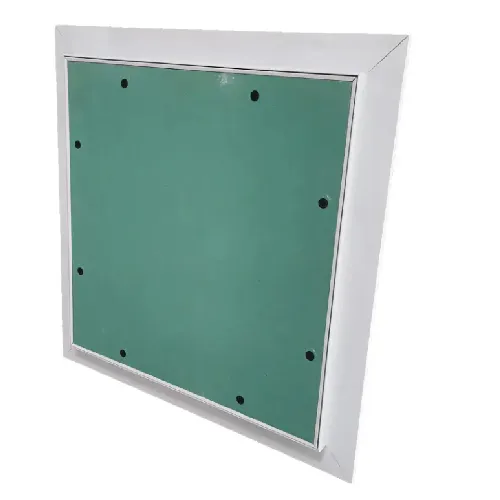
Simply put — a 16x16 ceiling access panel is a pre-sized door or hatch, 16 inches by 16 inches, installed in ceilings (sometimes walls) to allow entry for inspections or maintenance. Usually made of lightweight metal, aluminum, or steel, these panels are designed for durability and easy handling without compromising the ceiling’s overall look. They function as a sort of service portal — meaning HVAC technicians, electricians, or plumbers can quickly check or fix wiring, pipes, ducts, etc., without tearing into the building itself. In some humanitarian housing or modular construction setups, these panels even play a key role in enabling quick installation or retrofit. ---Key Features of the 16x16 Ceiling Access Panel
- Durability: Made to withstand wear and tear, often rust-resistant or powder-coated to avoid corrosion in humid environments.
- Ease of Installation: Designed to fit standard grid ceilings or drywall, making retrofit simpler without structural alterations.
- Security: Some units include locks or special fasteners to prevent unauthorized access, which is important in sensitive or commercial buildings.
- Aesthetics: Flush-mounted panels blend seamlessly with ceiling tiles, ensuring a clean look.
- Fire Rating: Certain panels come fire-rated for safety compliance, crucial in many building codes worldwide.
- Weight Capacity: Supports occasional light foot traffic during inspections, but not heavy loads.
Where in the World and Industry Does This Panel Shine?
Let's be honest — though it's a simple product, the 16x16 ceiling access panel finds itself at the nexus of multiple sectors:- Healthcare Facilities: Hospitals use these panels to keep critical infrastructure reachable for frequent maintenance without disrupting sterile environments.
- Commercial Offices: In skyscrapers where HVAC and electrical systems are complex, panels save hours of costly labor.
- Industrial Plants: Factories with extensive piping or wiring utilize these for compliance checks and rapid troubleshooting.
- Disaster Relief Housing: In temporary shelters, quick assembly and access to utilities is vital; some NGOs specify modular 16x16 panels to enable efficient setup.
- Residential Remodels: Homeowners upgrading HVAC or wiring appreciate the standard sizing for replacement or addition of panels.
Mini Takeaway
Whether in a luxury high-rise or a pop-up aid shelter, the 16x16 ceiling access panel quietly supports a wide variety of critical building needs, balancing durability, accessibility, and design.
---16x16 Ceiling Access Panel Specifications
| Feature | Specification |
|---|---|
| Panel Size | 16 inches x 16 inches (406 mm x 406 mm) |
| Material | Aluminum Alloy / Galvanized Steel |
| Finish | Powder-Coated or Anodized |
| Fire Rating | Up to 1 hour (varies by model) |
| Locking Options | Latch, Key Lock, Slam Lock |
| Weight Capacity | Up to 50 lbs (when properly mounted) |
| Installation Type | Drop-in ceiling tile or drywall mount |
Comparing 16x16 Ceiling Access Panel Vendors
| Vendor | Material Options | Fire Rating | Customization | Lead Time | Price Range |
|---|---|---|---|---|---|
| Xingyuan Ceilings | Aluminum, Steel | Up to 1 Hour | Custom sizes, lock options | 2–3 weeks | $$ |
| AccessPro Panels | Steel Only | Up to 45 minutes | Standard sizes only | 1–2 weeks | $ |
| InfraSafe Solutions | Aluminum, Fiberglass | Up to 2 hours | High customization, insulated models | 3–4 weeks | $$$ |
Advantages & Long-Term Value of the 16x16 Ceiling Access Panel
It might seem like a minor element, but the 16x16 ceiling access panel offers several tangible benefits:- Cost Efficiency: By enabling swift maintenance, it reduces labor time and repair costs significantly.
- Sustainability: Panels designed for insulation reduce energy loss and greenhouse gas emissions over time.
- Safety: Fire-rated versions help contain fires, while secure panels prevent unauthorized tampering.
- Enhances Building Lifespan: Easy access means systems can be maintained properly, reducing premature equipment failure.
- Peace of Mind: Building managers and occupants alike feel reassured knowing essential systems are reachable and well-protected.
What Does the Future Hold for Ceiling Access Panels?
The next generation of 16x16 ceiling access panels is evolving fast, blending materials science with smart technology:- Smart Panels: Integrated sensors that alert maintenance teams when a panel is opened or when humidity levels behind ceilings rise.
- Eco-Friendly Materials: Recycled metals, composites, and biodegradable coatings becoming mainstream.
- Automation-Friendly Designs: Panels that can be remotely opened or locked using building management systems.
- Improved Fire and Soundproofing: Advanced laminates and layering techniques to exceed existing safety codes.
Challenges & Practical Solutions in Usage
Challenges remain, of course:- Standardization Issues: Variations in ceiling types and constructions globally means no one-size-fits-all panel.
- Installation Expertise: Improper panel mounting can compromise safety or aesthetics.
- Security Risks: Openings may invite unauthorized access if not properly locked.
- Cost vs Quality: Budget constraints sometimes push buyers towards cheap, poorly performing panels.
- Working with trusted suppliers who offer customization and certifications.
- Training installers thoroughly, adhering to ISO and local codes.
- Choosing panels with lock or alarm systems for sensitive spaces.
- Balancing upfront costs with long-term durability to avoid repeat expenses.
FAQ: Common Questions About 16x16 Ceiling Access Panels
- Q1: Can the 16x16 ceiling access panel be installed in any ceiling type?
- A: Mostly yes, but some panels are optimized for drop ceilings while others suit drywall. Always check specs and consult with your installer for best results.
- Q2: How fire-resistant are these panels?
- A: Many models offer fire ratings up to one hour or more, sufficient to comply with most commercial building codes. Verify the panel’s certification before purchase.
- Q3: Are locking mechanisms standard?
- A: Locking is optional. Some panels include simple latch locks, while others offer keyed or slam locks. For sensitive areas, investing in locks is highly recommended.
- Q4: How often should panels be inspected or replaced?
- A: Panels themselves often last decades, but inspection schedules depend on building codes and maintenance needs. Typically, a visual check every 6–12 months is good practice.
- Q5: Can these panels help with energy saving?
- A: Absolutely. Properly sealed and insulated access panels reduce HVAC energy loss, contributing to a building’s overall energy efficiency.
Wrapping Up & What’s Next?
When you peel back the layers, the 16x16 ceiling access panel is more than a simple metal square on your ceiling. It’s a small but mighty gateway ensuring safety, efficiency, and sustainability in buildings worldwide. From skyscraper maintenance in bustling cities to humanitarian housing that needs quick fixes on the fly, these panels quietly make a difference. If you’re interested in reliable and customizable options for 16x16 ceiling access panel, I’d recommend checking out leading manufacturers like Xingyuan Ceilings who balance quality with fair pricing and fast delivery. After all, sometimes the best solutions are the ones overhead, waiting silently but ready whenever you need them. ---References
Latest news
-
Benefits and Guide of Mineral Fiber Ceiling Board for InteriorsNewsApr.16,2026
-
Modern Mineral Fiber Ceiling Solutions for Acoustic PerformanceNewsApr.09,2026
-
Mineral Fibre Board Ceiling vs Gypsum Board A Comprehensive Comparison GuideNewsApr.07,2026
-
Comprehensive Guide to Mineral Fiber Ceiling Specification and PerformanceNewsApr.04,2026
-
What Are Mineral Fiber Ceiling Tiles Made Of And Their ApplicationsNewsMar.31,2026
-
Exploring the Benefits of Suspended Mineral Fibre Ceiling Systems for Modern BuildingsNewsMar.28,2026