
Nov . 30, 2025 21:25 Back to list
Secure and Durable Lockable Ceiling Access Panels for Modern Buildings
Understanding the Lockable Ceiling Access Panel: Why It Matters Worldwide
At first glance, a lockable ceiling access panel sounds pretty mundane – just another building component, right? But this little fixture actually plays a surprisingly significant role in global building security, maintenance accessibility, and even in sectors ranging from healthcare to disaster relief. Grasping its benefits isn’t just a technical detail; it’s about enhancing safety, efficiency, and trust in modern infrastructures worldwide.
Globally, millions of buildings and facilities rely on secure yet easy-access panels in their ceilings to allow routine inspection or emergency action on wiring, plumbing, or HVAC systems. The ability to lock these panels reduces unauthorized tampering, safeguards sensitive equipment, and optimizes maintenance workflows. In many rapidly urbanizing areas, such as Southeast Asia and parts of Europe, installing reliable access points is crucial to meet strict safety standards and evolving regulations.
The Global Context: Why Lockable Ceiling Access Panels Are Becoming Essential
According to ISO 14644 standards and various building codes monitored by the UN and World Health Organization, controlled access to building infrastructure is directly tied to maintaining indoor environmental quality and fire safety. The lockable ceiling access panel addresses these global mandates by making sure only qualified personnel can reach critical zones.
Urbanization rates are surging, with the UN predicting 68% of the world population living in cities by 2050. High-density buildings demand robust, secure, and maintenance-friendly designs — where lockable panels come in. Yet, this also brings challenges: balancing security with swift emergency access, managing rising costs, and abiding by increasingly tough sustainability rules.
Mini takeaway:
Lockable ceiling access panels aren't just about convenience; they’re vital cogs in the global push towards safer, more sustainable, and intelligently designed buildings.
What is a Lockable Ceiling Access Panel?
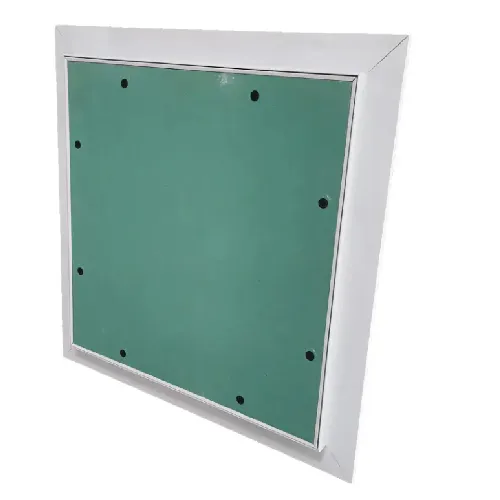
Simply put, a lockable ceiling access panel is a built-in opening in a ceiling that provides authorized access to plumbing, electrical, ventilation, or other systems above. Unlike plain access hatches, these panels can be locked and secured, offering controlled entry and preventing unauthorized access.
In hospitals, labs, or clean rooms, lockable panels uphold hygiene and security protocols. In industrial settings, they protect sensitive controls. Oddly enough, even in temporary shelters or disaster relief facilities, a lockable access panel ensures critical maintenance points remain secure amidst chaotic environments.
Core Components of Lockable Ceiling Access Panels
1. Durability & Materials
Panels are typically made of steel, aluminum, or reinforced plastic to withstand wear, moisture, and sometimes fire. For instance, fire-rated variants comply with safety codes, giving buildings extra peace of mind.
2. Security Mechanisms
From key locks and cylinders to combination or electronic locks, security varies based on needs. In sensitive environments, advanced locking systems prevent tampering and unauthorized entry — often integrated with building management systems.
3. Installation & Compatibility
Designs are modular, allowing easy fit with standard ceiling types like drywall or suspended ceilings. Adjustable frames and quick-install systems reduce installation times, important in retrofit projects or high-volume construction.
4. Accessibility
Panels come in various sizes—from small inspection hatches to large openings—allowing access to different infrastructure types. Ergonomic handles or flush designs ensure users can operate without fuss.
5. Fire & Environmental Ratings
Many panels meet fire resistance standards and minimize air leakage, contributing to energy conservation and indoor air quality.
Mini takeaway:
Whether it’s the sturdiness of materials or security sophistication, these components combine in ways that make lockable ceiling access panels practical and dependable.
Global Applications & Use Cases of Lockable Ceiling Access Panels
They’re everywhere — offices in Berlin rely on access panels to regulate ventilation;
hospitals in the US use them for sterile environments;
and factories in China install heavy-duty locked panels to protect equipment. Oddly enough, even humanitarian organizations often adopt these panels in modular shelters to maintain safety while allowing necessary inspections.
For example, after the 2015 Nepal earthquake, temporary clinics used lockable ceiling panels to protect fragile wiring and oxygen systems—critical when power sources were unreliable and foot traffic unpredictable.
Specification Table: Typical Lockable Ceiling Access Panel Details
| Feature | Specification | Notes |
|---|---|---|
| Material | Powder-coated steel / Aluminum | Corrosion-resistant finish for durability |
| Lock Type | Cam lock / Electronic lock | Key or code access options |
| Size Range | 200mm x 200mm to 610mm x 610mm | Fits standard ceilings |
| Fire Rating | Up to 60 minutes | Optional for compliance |
| Air Tightness | Class 3 (per EN standards) | Energy efficient sealing |
Vendor Comparison: Choosing the Right Lockable Ceiling Access Panel Supplier
| Vendor | Material Quality | Lock Options | Customization | Lead Time | Typical Industries Served |
|---|---|---|---|---|---|
| Xingyuan Ceilings | High-grade steel & aluminum | Mechanical & Electronic | Full sizing & locking options | 2–4 weeks | Healthcare, Commercial, Industrial |
| SecurePanel Co. | Aluminum alloys | Mechanical only | Standard sizes only | 1–3 weeks | Retail and Residential |
| AccessTech Ltd. | Steel with anti-corrosion | Mechanical, Electronic, RFID | High degree of customization | 3–5 weeks | Industrial, Government, Military |
Advantages and Long-Term Value
Ask any facilities manager or engineer and they’ll tell you: a reliable lockable ceiling access panel is a must-have. It keeps maintenance costs down by streamlining access – saving time, limiting disruptions, and preventing damage from forced entries.
Beyond practical savings, there’s a deeper social value. For example, hospitals using secure panels help protect sensitive equipment and medications, preserving patient safety and dignity. In offices or data centers, authorized access builds trust in the integrity of systems, preventing costly downtime or security breaches.
Many building designers are now choosing eco-conscious materials and airtight panels to meet energy codes, demonstrating that lockable ceiling access panels can also contribute to sustainability goals without sacrificing performance.
Future Trends: What’s Next for Access Panels?
The innovation buzz includes smart locks integrated into building automation and IoT monitoring. Imagine a panel that alerts a technician when opened or tampered with – reducing the “who opened this?” guessing game. Materials science advancements are also driving lighter, stronger, fire-resistant panels. Plus, easier, modular installs mean less labor, quicker upgrades, and ultimately, buildings that adapt as their needs evolve.
Challenges & Solutions
One common hurdle is striking the balance between security and emergency accessibility. Too tight, and it slows critical fixes; too loose, and it invites risks. Industry players are exploring “fail-safe” lock designs that open from inside without a key, or time-released electronic codes.
Another challenge is customization versus cost. High custom needs can inflate budgets, yet prefabricated modular designs help reduce this gap, bringing tailored solutions to more projects.
FAQ: Lockable Ceiling Access Panel
- Q: How secure are lockable ceiling access panels compared to standard ones?
A: Lockable panels offer controlled access via various locking mechanisms, vastly reducing unauthorized entry risks compared to non-lockable alternatives, which may simply be fastened or hinged without locks. - Q: Can these panels meet fire safety codes?
A: Absolutely. Many panels are rated to withstand fire for 30 to 60 minutes, complying with international safety standards such as ASTM E119 or EN 1364. - Q: Are there size options for different ceiling types?
A: Yes, lockable ceiling access panels come in multiple sizes and frame types to fit suspended ceilings, drywall, or specialty cleanroom environments. - Q: Can I retrofit existing ceilings with these panels?
A: Most definitely. Many manufacturers design panels for retrofit installs, often with adjustable frames and minimal disruption to existing architecture. - Q: How do I maintain these panels?
A: Regular cleaning, lubrication of locks, and inspection for damage or corrosion are recommended to ensure long-lasting performance.
Conclusion
In the end, a lockable ceiling access panel isn’t just a small piece of hardware — it’s a strategic asset in building safety, efficiency, and security. It’s about peace of mind, easy maintenance, and meeting real-world demands whether in urban offices, hospitals, or remote disaster zones.
Curious to learn more or find a solution tailored for your project? Visit Xingyuan Ceilings and explore the range of lockable ceiling access panels designed for tomorrow’s buildings, today.
References & Further Reading
-
Benefits and Guide of Mineral Fiber Ceiling Board for InteriorsNewsApr.16,2026
-
Modern Mineral Fiber Ceiling Solutions for Acoustic PerformanceNewsApr.09,2026
-
Mineral Fibre Board Ceiling vs Gypsum Board A Comprehensive Comparison GuideNewsApr.07,2026
-
Comprehensive Guide to Mineral Fiber Ceiling Specification and PerformanceNewsApr.04,2026
-
What Are Mineral Fiber Ceiling Tiles Made Of And Their ApplicationsNewsMar.31,2026
-
Exploring the Benefits of Suspended Mineral Fibre Ceiling Systems for Modern BuildingsNewsMar.28,2026