
Nov . 30, 2025 19:50 Back to list
Plasterboard Ceiling Hatch – Essential Access Solutions for Modern Buildings
The Growing Role of Plasterboard Ceiling Hatches in Modern Construction
Whether you're working in residential construction or handling complex industrial spaces, the plasterboard ceiling hatch is an unsung hero. Oddly enough, these seemingly simple access points solve some rather significant challenges globally — from maintenance hassles to safety standards. Today, we’re diving into what these ceiling hatches are, why they’ve become essential in multiple industries, and how their thoughtful design makes life easier for engineers, facility managers, and even humanitarian organizations.
Understanding the Global Importance of Plasterboard Ceiling Hatches
Globally, rapid urbanization and rising infrastructure needs demand flexible yet reliable building components. According to the United Nations’ urban development reports, over 55% of the world’s population now lives in urban areas — a figure expected to swell. As buildings get taller and more complex, ceiling access points like plasterboard ceiling hatches become crucial to maintain HVAC systems, electrical wiring, and plumbing.
Yet, challenges arise. Without adequate access, maintenance costs skyrocket or safety risks increase dramatically. A simple plasterboard ceiling hatch addresses all these issues quietly, yet effectively. It’s a tiny piece of architecture with a disproportionately large impact.
Mini Takeaway:
- Population growth fuels infrastructure complexity.
- Maintenance access is a hidden but critical cost factor.
- Plasterboard ceiling hatches are an effective, low-cost solution.
What Is a Plasterboard Ceiling Hatch?
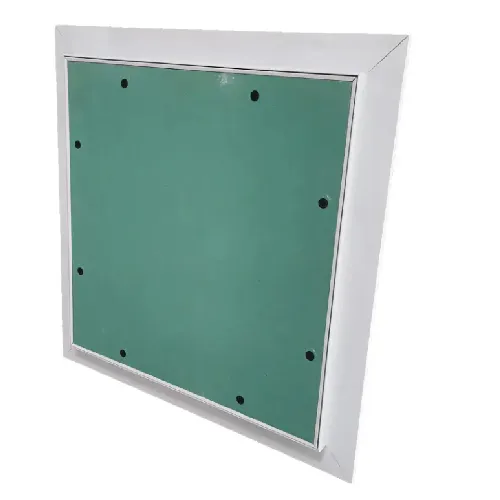
At its core, a plasterboard ceiling hatch is a framed, removable panel cut out of a plasterboard ceiling, designed to provide convenient access to hidden building services. Think of it like a concealed door within your ceiling — except usually flush, neatly finished, and designed not to interrupt the ceiling visual flow.
These hatches come in various sizes and materials but share a common goal: enable quick, safe access without permanent damage or costly repairs. In modern construction, especially in commercial and humanitarian projects, they enable technicians to maintain systems without tearing down walls or ceilings.
Why does it matter?
In refugee camps or post-disaster shelters, rapid maintenance without compromising fragile structures is vital. Plasterboard ceiling hatches support this by giving quick, respectful access without unnecessary destruction. Plus, in industries like data centers or manufacturing plants, rapid access minimizes downtime — something frankly worth its weight in gold.
Core Components of a Quality Plasterboard Ceiling Hatch
1. Durability
A hatch must withstand repeated opening without losing integrity. Materials need to resist moisture, wear, and sometimes fire — depending on use. Manufacturers often reinforce hatches with metal frames or fire-rated plasterboard variants.
2. Ease of Installation
One of the most appealing aspects is how easily these hatches fit into existing plasterboard ceilings. Many hatches come pre-framed and are designed for quick fitting, reducing labor costs and time on site. This is a boon, especially when retrofitting buildings.
3. Security and Safety
While they look simple, secure locking mechanisms matter. In secure facilities or hazardous environments, access restriction is mandatory. Many units come with secure latches or lock inserts, balancing convenience and safety.
4. Aesthetic Integration
Since these hatches belong on ceilings often visible to occupants, aesthetic finish is key. A well-made plasterboard ceiling hatch blends seamlessly, avoiding the “odd patch” look that some earlier models were guilty of.
5. Size and Customization
Different jobs require different hatch dimensions. Luckily, many suppliers offer custom sizes, sometimes even bespoke finishes, allowing architects to specify precise dimensions. This is crucial in industrial zones where access points must fit exact service areas.
Mini Takeaway:
- Durability and safety are non-negotiable.
- Simple installation reduces downtime and labor cost.
- Aesthetic and size flexibility makes these hatches versatile.
How Plasterboard Ceiling Hatches Are Used Worldwide
You might picture these hatches mostly in office buildings or homes, but their footprint is surprisingly wide:
- Urban Commercial Buildings: Offices, hospitals, schools — access to HVAC, electrical, and plumbing systems require frequent inspection.
- Industrial Sites: Factories and data centers deploy these hatches to gain confined or "hard-to-reach" access.
- Humanitarian Operations: In makeshift shelters or modular housing for displaced communities, ceiling hatches allow quick maintenance without permanent damage.
- Remote Infrastructure: Oil rigs or remote communication hubs benefit from durable ceiling hatches that stand up to harsh environments.
For example, in post-disaster relief operations in Southeast Asia, rapid-deploy housing equipped with plasterboard ceiling hatches has allowed aid workers to access critical wiring quickly without dismantling roofs, saving lives and time.
Advantages of Using Plasterboard Ceiling Hatches — More Than Just Convenience
Sure, accessibility is obvious. But beyond that, these hatches bring:
- Cost Savings: Easier maintenance means less downtime and reduced repair costs.
- Sustainability: By allowing selective access, the ceiling can remain intact longer, reducing material waste.
- Safety: Proper access reduces risky improvisation like breaking ceilings with tools — protecting workers and occupants.
- Social Value: In humanitarian scenarios, minimizing structural damage preserves dignity in temporary homes.
- Reliability: Trusted access points mean fewer unexpected failures.
It’s the little things like this that build trust between building managers and occupants. And frankly, who wants a maintenance worker tearing up their ceiling on a whim?
Future Trends: What’s Next for Plasterboard Ceiling Hatches?
Technology marches on, and so do these humble hatches. Look for these upcoming innovations:
- Smart Monitoring Integration: Concealed sensors in hatches to detect humidity or leaks before damage.
- Eco-Friendly Materials: Biodegradable or recycled composites replacing traditional plasterboard.
- Improved Fire-Resistance: New fire-retardant coatings enhancing safety regulation compliance.
- Automation: Remote-controlled or sensor-triggered hatches to facilitate quick, hands-free access.
Manufacturers are also exploring modular design kits that snap in place faster, reducing installation errors and timelines.
Challenges and How Experts Solve Them
Apart from the obvious—size fit and finish—some hurdles persist:
- Moisture Damage: Ceilings in humid areas may degrade plasterboard around access points. Solution? Specialized moisture-resistant materials.
- Security Concerns: Poorly secured hatches invite tampering. Many firms now integrate lockable systems tested under ISO standards.
- Installation Errors: Improper fitting can cause sagging or cracking. Professionals recommend pre-fabricated frames and certified installers.
It’s a balance of smart design and correct application — you can have both durability and convenience if you get it right.
Practical Questions about Plasterboard Ceiling Hatches
- Q1: How easy is it to install a plasterboard ceiling hatch in existing buildings?
- A: Installation is generally straightforward, especially with pre-framed options. Most require cutting a plasterboard panel and securing the hatch frame, often completed within an hour by skilled workers. Retrofitting usually doesn’t involve major structural changes, making it ideal for renovations.
- Q2: Can plasterboard ceiling hatches be customized for different sizes?
- A: Absolutely. While standard sizes are common, many suppliers offer custom dimensions to meet unique project requirements, enabling architects to tailor access points exactly where needed.
- Q3: Are these hatches suitable for environments with fire safety codes?
- A: Yes, fire-rated plasterboard hatches comply with stringent building regulations. They often incorporate metal reinforcement and special plasterboard materials that resist fire for specified durations.
- Q4: How do plasterboard ceiling hatches contribute to sustainability?
- A: Because they prevent unnecessary ceiling dismantling during maintenance, they reduce waste and material consumption. Plus, newer eco-friendly materials enhance their green credentials over time.
Product Specification Table
| Specification | Details |
|---|---|
| Material | Gypsum plasterboard with metal frame reinforcement |
| Sizes Available | Standard: 300x300mm, 450x450mm, Custom sizes up to 600x600mm |
| Fire Rating | Up to 60 minutes fire resistance (Optional) |
| Locking Mechanism | Spring-loaded clips or key lock options |
| Installation Method | Surface mounted or recessed frame installation |
| Moisture Resistance | Standard and moisture-resistant variants available |
Vendor Comparison – Picking the Right Supplier
| Vendor | Product Range | Customization | Pricing | Lead Time | Sustainability Focus |
|---|---|---|---|---|---|
| Xingyuan Ceilings | Standard & Custom hatches, fire-rated | High customization including logos | Competitive | 2 - 4 weeks | Recycled materials option |
| CeilPro Solutions | Mostly standard with limited fire protection | Limited | Higher | 3 - 5 weeks | No specific programs |
| Global Hatch Systems | Wide range including automation options | Medium | Mid-range | 4 - 6 weeks | Sustainable packaging |
Wrapping It Up: Why Plasterboard Ceiling Hatches Matter Today and Tomorrow
In a nutshell, the plasterboard ceiling hatch isn’t just a building component; it’s a practical solution to the everyday challenges of maintenance, safety, and aesthetics. From bustling urban centers to remote relief camps, this small but smart innovation holds a surprisingly large place in building design.
If you’re considering upgrading or installing access points, it's worth checking out reliable vendors like Xingyuan Ceilings, who combine customization, quality, and sustainability. As buildings evolve and sustainability becomes more than a buzzword, even these small features are poised for big upgrades.
So next time you look up at a crisp, smooth drywall ceiling, spare a thought for what’s hidden behind — something like a plasterboard ceiling hatch quietly keeping the world’s buildings running.
References
-
Benefits and Guide of Mineral Fiber Ceiling Board for InteriorsNewsApr.16,2026
-
Modern Mineral Fiber Ceiling Solutions for Acoustic PerformanceNewsApr.09,2026
-
Mineral Fibre Board Ceiling vs Gypsum Board A Comprehensive Comparison GuideNewsApr.07,2026
-
Comprehensive Guide to Mineral Fiber Ceiling Specification and PerformanceNewsApr.04,2026
-
What Are Mineral Fiber Ceiling Tiles Made Of And Their ApplicationsNewsMar.31,2026
-
Exploring the Benefits of Suspended Mineral Fibre Ceiling Systems for Modern BuildingsNewsMar.28,2026