
Nov . 30, 2025 18:10 Back to list
The Essential Guide to Ceiling Hatch Sizes – Safety, Standards & Solutions
Understanding Ceiling Hatch Sizes: A Key to Efficient Access and Safety
What exactly do ceiling hatch sizes mean for architecture, industrial design, or emergency access worldwide? At first glance, you might think this is a niche, almost trivial topic. But in reality, knowing the right ceiling hatch dimensions and standards has a surprisingly broad impact—from ensuring safety compliance to improving maintenance efficiency. Globally, with growing urban density and complex infrastructure, optimizing these sizes helps professionals and homeowners alike navigate challenges safely and cost-effectively.
Global Context: Why Ceiling Hatch Sizes Matter More Than Ever
In a world where building standards, energy efficiency, and safety codes constantly evolve, the size of ceiling hatches is far from arbitrary. According to the International Organization for Standardization (ISO), uniform access points are essential for inspection, ventilation, and fire safety. Reports from the United Nations Statistics Division demonstrate an ongoing surge in urban construction, meaning more enclosed spaces—attics, crawl spaces, roofs—demand reliable access.
But there’s a catch: while bigger access points can facilitate easier entry, they may compromise insulation or structural integrity. Too small—and you create a bottleneck that slows maintenance or emergency evacuation. Balancing this is one reason why ceiling hatch sizes have become a practical and regulatory focus among architects, contractors, and engineers.
Mini Takeaway:
Ceiling hatch sizes are not just about physical measurement—they’re a critical intersection of safety, efficiency, and regulatory compliance in an expanding urban landscape.
What Are Ceiling Hatch Sizes? Breaking It Down
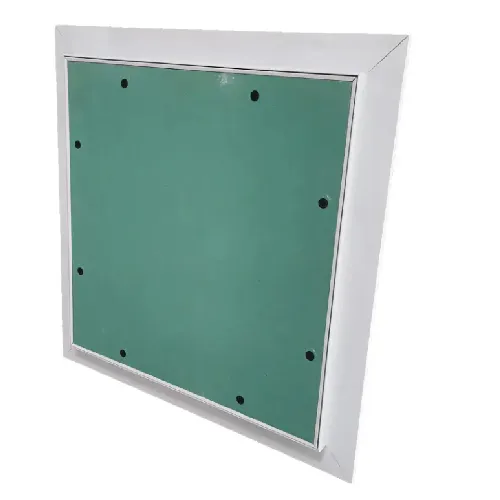
Simply put, ceiling hatch sizes refer to the dimensions of openings fitted into ceilings that allow access to areas like attics, ductwork, or utility spaces. Imagine needing to reach your HVAC system or electrical wiring—these hatches provide the doorway. Modern use cases span residential, commercial, and industrial environments, adapting to varying demands for size, insulation, and fire resistance.
They serve more than convenience: they’re often sealed to prevent heat loss, constructed to bear load, and designed to meet fire safety protocols. In humanitarian settings, especially in temporary shelters or disaster relief housing, these hatches ensure quick access to critical systems under adverse conditions.
Mini Takeaway:
At its heart, a ceiling hatch is an access point—but smart sizing connects structural, safety, and operational needs in one neat package.
Key Considerations When Choosing Ceiling Hatch Sizes
1. Durability and Material Strength
Engineers often stress the importance of robust materials—steel, aluminum alloys, or treated wood—that maintain structural integrity. Hatch size impacts the load it must bear; a larger hatch demands stronger reinforcements. Oddly enough, oversizing without considering material can lead to costly failures.
2. Insulation and Energy Efficiency
Especially in climate-controlled buildings, the hatch size influences how much heat or cooled air escapes. Higher performance hatches use weather stripping and insulated panels, but even so, a bigger opening challenges energy efficiency. Balancing size and insulation is a constant push-pull.
3. Fire and Safety Compliance
Depending on building use, hatches must meet fire rating standards, which affect size, sealing, and material. Fire-resistant hatches are slightly bulkier and require specific clearance dimensions for emergency access.
4. Accessibility and Ergonomics
A hatch might be destined for a maintenance worker with bulky equipment or a quick-fire evacuation route. In either case, size governs comfort and safety. Many codes recommend minimum dimensions around 24 x 24 inches (roughly 600 x 600 mm), but custom solutions exist for particular needs.
5. Cost Efficiency
Larger hatches generally cost more—not just materials, but installation and finishing. Thoughtful sizing optimizes budgets without compromising usability or compliance.
| Specification | Typical Size | Material | Fire Rating | Insulation R-Value |
|---|---|---|---|---|
| Residential Hatch | 24" × 24" (600 × 600 mm) | Wood Composite / Steel Frame | 30 minutes | R-10 |
| Industrial Hatch | 36" × 36" (900 × 900 mm) | Aluminum / Steel | 60 minutes | R-15 |
| Fire-Rated Hatch | 24" × 30" (600 × 760 mm) | Steel with Intumescent Seal | 90 minutes | R-12 |
Mini Takeaway:
Picking the right ceiling hatch size is a nuanced decision influenced by material, safety codes, insulation, ergonomics, and budget.
Global Use Cases and Regional Trends
From cramped Tokyo apartments to sprawling industrial warehouses in Germany, ceiling hatch requirements vary widely—but the goal remains uniform: safe, efficient access.
- Post-disaster zones: In regions prone to floods or earthquakes, rapid access through hatches helps emergency teams check utilities and structural health.
- Cold climates: Scandinavian countries prioritize hatches with tight seals and minimal heat loss, dictated by strict ISO insulation standards.
- High-security facilities: Data centers and labs often integrate specialized hatch sizes with added locking mechanisms to meet compliance and security.
- Commercial buildings: Regular access for HVAC and wiring means hatches are often standardized, balancing size and usability.
Interestingly, international NGOs involved in temporary shelter projects have started standardizing hatch sizes to improve modular kit compatibility, easing international logistics.
Mini Takeaway:
Context is king: ceiling hatch sizes reflect local climates, safety concerns, and intended access ease, making a one-size-fits-all approach ineffective.
Advantages and Long-Term Value of Optimized Ceiling Hatch Sizes
Getting hatch sizes right isn’t merely about compliance—it’s about building trust in infrastructure. Properly sized hatches improve safety, promote maintenance efficiency (cutting downtime), and reduce energy loss. Frankly, they offer peace of mind, especially in emergency scenarios where every second counts.
For building owners, this means reduced long-term costs. For workers, it means safer conditions. For communities, it means infrastructure that lasts and performs. Innovation here touches emotions as much as ledger sheets—there’s a dignity in well-designed space that works quietly but undeniably.
Emerging Trends and Innovations You Should Know
Looking forward, the ceiling hatch market is adapting to newer materials like carbon fiber composites for lighter, stronger frames. Automation sees integration too—motorized hatches controlled via building management systems are no longer sci-fi.
Green building certifications increasingly require hatches that contribute to airtightness and use sustainable materials. Digital tools help architects model optimal hatch sizes early in design, avoiding expensive retrofits.
Common Challenges and How to Overcome Them
Despite these advances, sizing ceiling hatches involves headaches:
- Balancing size vs insulation: Too large hatches leak heat; too small hampers access.
- Regulatory variations: Different countries have different code requirements.
- Installation complexity: Retrofitting hatches can be invasive and costly.
One expert recommendation: prioritize modular hatch kits designed for adaptability. Also, using consultative design tools early in projects can preempt installation headaches.
FAQ: Common Questions About Ceiling Hatch Sizes
- What are the standard minimum sizes for ceiling hatches?
- Most building codes recommend a minimum of 24 x 24 inches (600 x 600 mm) to allow safe access for maintenance personnel. However, specific applications may require larger sizes.
- Can ceiling hatch sizes affect energy bills?
- Yes. Larger or poor-quality hatches can cause heat loss or air infiltration, increasing energy consumption. Using insulated and properly sealed hatches helps maintain energy efficiency.
- Are fire-rated ceiling hatches larger than standard hatches?
- Fire-rated hatches might be similar in size but have additional bulk due to fire-resistant materials and seals. This can marginally affect dimensions and installation depth.
- How do I choose a hatch size for industrial buildings?
- Consider access needs—equipment size, safety regulations, and space constraints. Often, industrial hatches range from 30 to 36 inches square or larger for machinery access.
- Can I customize ceiling hatch sizes for unique building designs?
- Absolutely. Many vendors offer bespoke options, although customization usually impacts cost and lead time. Early design phase discussions with suppliers help streamline this.
Conclusion: Why Taking Ceiling Hatch Sizes Seriously Pays Dividends
To sum up, whether you’re dealing with a commercial high-rise, a cozy home, or a disaster relief shelter, ceiling hatch sizes quietly affect safety, comfort, and cost over decades. Frankly, spending a little extra time planning hatch dimensions saves massive headaches and supports resilient, efficient buildings.
If you want to explore various options or learn more about practical sizing standards, visit ceiling hatch sizes — it’s a surprisingly rich resource.
| Vendor | Material Options | Customization | Typical Lead Time | Price Range |
|---|---|---|---|---|
| Xingyuan Ceilings | Steel, Aluminum, Wood Composite | Fully Customized Sizes & Finishes | 2–3 Weeks | $$$ (Mid-Range) |
| Global Hatch Co. | Steel, Fiberglass | Standard Sizes With Limited Custom | 1–2 Weeks | $$ (Budget) |
| EcoCeil Hatch Solutions | Recycled Composites, Wood | Moderate Custom Options | 3–4 Weeks | $$$ (Eco-Friendly Premium) |
Mini Takeaway:
Vendor selection influences hatch material, customization potential, pricing, and timing—choose wisely to match project needs.
References
-
Benefits and Guide of Mineral Fiber Ceiling Board for InteriorsNewsApr.16,2026
-
Modern Mineral Fiber Ceiling Solutions for Acoustic PerformanceNewsApr.09,2026
-
Mineral Fibre Board Ceiling vs Gypsum Board A Comprehensive Comparison GuideNewsApr.07,2026
-
Comprehensive Guide to Mineral Fiber Ceiling Specification and PerformanceNewsApr.04,2026
-
What Are Mineral Fiber Ceiling Tiles Made Of And Their ApplicationsNewsMar.31,2026
-
Exploring the Benefits of Suspended Mineral Fibre Ceiling Systems for Modern BuildingsNewsMar.28,2026