
Nov . 27, 2025 18:20 Back to list
Durable & Fire-Resistant Ceiling Hatch Doors | Essential Building Access Solutions
Ceiling Hatch Door: The Overlooked Gateway to Building Efficiency
When you think about the many components that make a building functional and secure, a ceiling hatch door might not be the first thing that comes to mind. But oddly enough, these simple yet essential components play a major role in access, maintenance, and even emergency management across industries and households worldwide. Understanding ceiling hatch doors unlocks a world of benefits — from improving building safety to easing inspections on complicated infrastructure.
Why The World Cares About Ceiling Hatch Doors
Looking at global infrastructure, especially as urban density increases, accessibility to critical building features becomes more important. According to data from the International Organization for Standardization (ISO), around 55% of the world’s population lives in urban areas, a figure expected to hit 68% by 2050 (ISO Urban Development Stats). Imagine all the buildings—residential, commercial, and industrial—that rely on appropriate access points for maintenance, ventilation, and emergency response.
Ceiling hatch doors solve the challenge of providing safe, reliable access to hard-to-reach spaces: attics, service voids, or suspended ceilings. Without them, maintenance workers or emergency personnel face risks or costly workarounds. So, whether it's a skyscraper in New York or a warehouse in Shanghai, ceiling hatch doors form quiet keystones of efficiency and safety.
Mini Takeaway: Ceiling hatch doors, while often overlooked, form an essential bridge between accessibility and safety in global infrastructure—especially as more people live and work in complex buildings.
Defining the Ceiling Hatch Door
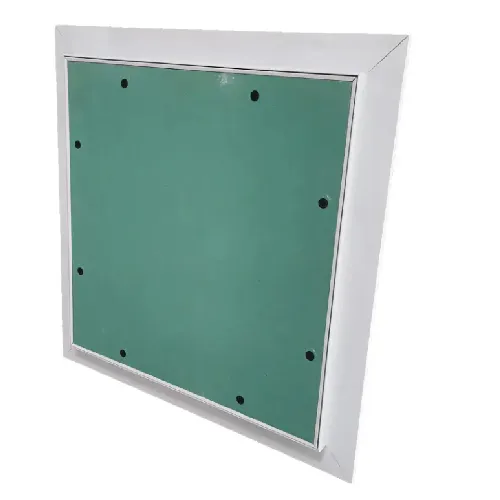
Simply put, a ceiling hatch door is an opening fitted into a ceiling or a soffit that provides access to spaces above. This could be attics, crawl spaces, mechanical or electrical voids, or concealed service areas. They vary from simple lightweight panels to robust, fire-resistant units equipped with locking mechanisms.
In modern industry, these aren’t just about peek-through convenience. They reflect a deeper concern for safety, regulatory compliance, and operational efficiency. Humanitarian infrastructure—like temporary shelters or disaster relief centers—also rely on sturdy but easily deployable hatch doors to facilitate installation and maintenance.
Key Attributes to Consider When Choosing a Ceiling Hatch Door
1. Durability & Material Quality
The ceiling hatch has to live up to its environment. In industrial zones or high-humidity locations, corrosion-resistant metals or treated composites are a must. Frankly, you don’t want your hatch door failing halfway through a crucial inspection.
2. Fire Resistance & Safety
Many codes require ceiling hatch doors to offer fireproof qualities, especially in buildings housing electrical systems or flammable materials. Some models meet fire-rating certifications, which can make all the difference during emergencies.
3. Ease of Installation & Access
A solid hatch door won’t do much good if installing it takes days or multiple tools. Vendors now design intuitive latches and standardized frames to streamline installation, saving hours for onsite engineers.
4. Thermal & Acoustic Insulation
Hatches can be a hidden source of heat loss or noise pollution. Quality models incorporate insulation strips that not only keep rooms comfortable but dampen sound transferring through ceiling cavities.
5. Cost Efficiency and Maintenance
Though initial cost matters, many building managers focus on total cost of ownership. A hatch door that resists wear, requires minimal upkeep, and reduces heat leakage pays off in the long run.
Mini Takeaway: The ideal ceiling hatch door balances strength, safety, usability, and cost — each factor matters depending on where and how you use it.
Real World Applications of Ceiling Hatch Doors
In practice, ceiling hatch doors find diverse applications worldwide:
- Commercial Buildings: Providing discrete access to HVAC units above ceilings in office towers — attributed to improved maintenance efficiency in cities like London and Dubai.
- Industrial Plants: Access hatch panels for inspecting electrical conduits or machinery in plants ranging from automotive to pharmaceuticals.
- Healthcare Facilities: Sterile environments require hatch doors that are easy to clean and fire-rated, serving hospitals across North America and Europe.
- Disaster Relief Structures: Deployable units with ceiling hatches facilitate quick ventilation and access in temporary shelters, crucial in earthquake zones like Nepal.
- Residential Use: Simple attic access in homes providing insulation benefits and convenient storage solutions.
Mini Takeaway: From luxury hospitals to rough temporary shelters, ceiling hatch doors adapt to the needs of different environments globally.
Advantages & Long-Term Value of Investing in Quality Ceiling Hatch Doors
Beyond immediate access, the benefits of ceiling hatch doors ripple throughout building management:
- Cost Savings: Improved accessibility reduces labor time and damage risk during maintenance.
- Sustainability: Energy-saving insulation improves building efficiency, contributing to greener urban development goals.
- Safety & Compliance: Fire-resistant hatches and secure locking mechanisms provide peace of mind and regulatory peace.
- Social Impact: In humanitarian settings, reliable hatch access supports dignity by ensuring safe, maintainable environments during crises.
For facility managers, it’s about trust and innovation. Knowing that a hatch door is dependable means fewer surprises. And oddly enough, this small element can sometimes be the unsung hero in emergency escapes or infrastructure upkeep.
Product Specifications Table
| Feature | Typical Value | Notes |
|---|---|---|
| Material | Aluminum or Steel Frame with Plywood/Composite Panel | Corrosion-resistant coatings optional |
| Dimensions | Typically 24" x 24" to 36" x 36" | Custom sizes available |
| Weight Capacity | Up to 150 lbs (platform dependent) | Supports maintenance personnel standing |
| Fire Rating | Up to 90 minutes | Optional certification |
| Insulation | R-Value 5 to 10 | Polyurethane foam core typical |
Vendor Comparison: Choosing the Right Ceiling Hatch Door Partner
| Vendor | Material Options | Fire Rating | Custom Sizes | Lead Time | Price Range |
|---|---|---|---|---|---|
| Xingyuan Ceilings | Aluminum, Steel, Composite | Up to 90 minutes | Yes | 2–4 weeks | $$$ (Mid-range) |
| HatchTech Solutions | Steel only | Up to 60 minutes | Limited | 3–5 weeks | $$ (Budget) |
| SkyLine Hatches | Composite panels | Up to 120 minutes | Yes | 4–6 weeks | $$$$ (Premium) |
Emerging Trends & Innovations
Honestly, the ceiling hatch door might sound traditional, but innovation isn't far behind. Vendors increasingly use lightweight yet ultra-strong composite materials to reduce installer fatigue while boosting fire rating performance.
Smart integration is also coming into play. Imagine hatch doors equipped with sensors that detect unauthorized opening or environmental changes, informing building managers right away through IoT dashboards. Green energy projects push the envelope too — insulation materials with recycled content, or hatches designed to minimize thermal bridging in zero-energy buildings.
Automation trends could eventually let maintenance openings open with a remote command or automatically close after inspection, saving time and reducing human error.
Common Challenges and Smart Solutions
It’s not all rosy, though. Some persistent challenges include:
- Improper sizing: Custom sizes can be pricey or delayed, causing retrofit headaches.
- Insufficient sealing: Poor insulation can lead to energy loss or moisture buildup.
- Fire code compliance confusion: Regional variations require precise specifications — not always obvious upfront.
To tackle these, engineers recommend early-stage planning that involves experienced suppliers. Leveraging modular, adjustable frame designs helps cover sizing issues. And recent advances in synthetic weather seals make insulation and moisture resistance simpler than before.
FAQ: Your Ceiling Hatch Door Quick Answers
- What materials are best for ceiling hatch doors in humid environments?
- Corrosion-resistant metals like aluminum or galvanized steel, combined with composite panels treated for moisture resistance, are ideal. These materials prevent rust and warping, ensuring durability over time.
- How can I ensure my ceiling hatch door meets fire safety standards?
- Look for products with a fire-rating certification (e.g., UL or ASTM standards) that match your building codes. Vendors like Xingyuan Ceilings provide documentation to verify compliance.
- Are ceiling hatch doors energy-efficient?
- Yes, when fitted with proper insulation and seals, hatch doors significantly reduce heat loss and noise transfer, improving overall building comfort and energy costs.
- Can ceiling hatch doors be customized for unusual ceiling thicknesses or shapes?
- Definitely. Many manufacturers offer tailored solutions to fit unique architectural needs, including frames adaptable to sloped or thickened ceilings.
- How difficult is installation for ceiling hatch doors?
- Installation difficulty varies but modern designs focus on ease—often installable using basic tools by a single technician within a couple of hours.
Conclusion: Why Ceiling Hatch Doors Matter More Than You Think
At first glance, the ceiling hatch door might seem a minor player in the vast field of building components. But scratch the surface, and you find a dependable enabler of safety, comfort, and efficiency across countless sectors worldwide. From fire-rated options for hospitals to cost-conscious solutions for disaster shelters, their role continues to evolve.
If you’re considering upgrades, installations, or just curiosity, I’d suggest checking out trusted suppliers like Xingyuan Ceilings to explore their versatile ceiling hatch door options. Because sometimes, the smallest door leads to the biggest peace of mind.
—
References:
-
Benefits and Guide of Mineral Fiber Ceiling Board for InteriorsNewsApr.16,2026
-
Modern Mineral Fiber Ceiling Solutions for Acoustic PerformanceNewsApr.09,2026
-
Mineral Fibre Board Ceiling vs Gypsum Board A Comprehensive Comparison GuideNewsApr.07,2026
-
Comprehensive Guide to Mineral Fiber Ceiling Specification and PerformanceNewsApr.04,2026
-
What Are Mineral Fiber Ceiling Tiles Made Of And Their ApplicationsNewsMar.31,2026
-
Exploring the Benefits of Suspended Mineral Fibre Ceiling Systems for Modern BuildingsNewsMar.28,2026