
Nov . 28, 2025 19:30 Back to list
Durable & Fire-Resistant GFRG Access Panel 24x24 | Modern Access Solutions
Understanding the Role of GFRG Access Panel 24x24 in Modern Construction
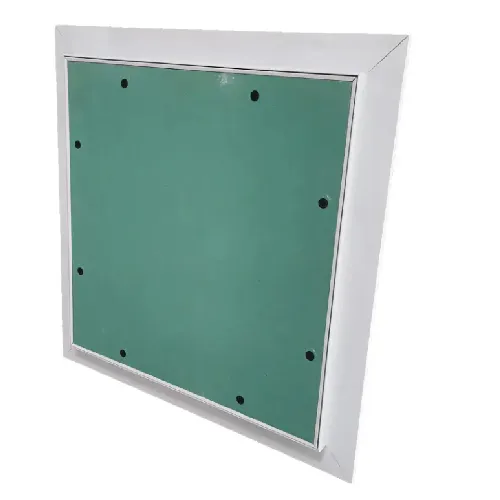
When it comes to building infrastructure that’s both functional and adaptable, the gfrg access panel 24x24 has quietly become a go-to solution in various sectors worldwide. If you haven’t heard of it yet, this component might sound like just another technical detail — but it’s much more than that. Access panels of this size (24 by 24 inches) crafted with Glass Fiber Reinforced Gypsum (GFRG) bring together durability, ease of installation, and maintenance efficiency in a way that’s catching attention globally.
From industrial facilities to hospitals and even humanitarian applications, understanding the value of these panels can improve building management and lower long-term costs. And frankly, in today’s fast-evolving construction world, staying ahead with the right materials and access solutions is crucial — not just for builders, but for owners, tenants, and end-users alike.
Why Does the GFRG Access Panel 24x24 Matter Globally?
Global urbanization is pushing buildings higher and systems more complex. According to the United Nations, over 55% of the world’s population lives in urban areas—and that grows every year. Larger buildings mean more sophisticated mechanical, electrical, and plumbing networks hidden behind walls and ceilings, where timely access becomes a necessity (UN World Urbanization Prospects, 2018).
Additionally, quality standards like ISO 9001 promote reliability and safety in construction, demanding components that can meet both. Here’s where the gfrg access panel 24x24 shines: it provides a standardized, yet versatile, means to inspect and maintain critical infrastructure without costly disruptions or damage.
Challenges like remote site maintenance or emergency repairs demand fast, reliable access solutions, yet traditional panels often fail due to fragility or size constraints. This panel’s composite materials and generous sizing address these head-on, effectively blending function with form.
What Exactly Is a GFRG Access Panel 24x24?
Simply put, “GFRG” is Glass Fiber Reinforced Gypsum, a composite material mixing gypsum plaster with glass fibers for added strength and flexibility. An access panel—basically a removable section of wall or ceiling—is designed to provide convenient entry to concealed systems like wiring, piping, or HVAC units.
The “24x24” denotes the panel’s dimensions, 24 inches square, which strikes a helpful balance between coverage area and manageability. Unlike metal or plastic panels, GFRG versions are fire-resistant, lightweight, and easy to finish with paint or texture—perfect for environments demanding resilience without sacrificing aesthetics.
Modern building codes and humanitarian operations appreciate these attributes for safety and efficiency. For example, structures in earthquake-prone regions often favor GFRG panels thanks to their combined toughness and weight-saving design.
Core Aspects of the GFRG Access Panel 24x24
Durability and Fire Resistance
The gypsum base grants inherent fire-retardant properties, while glass fibers enhance toughness, reducing the risk of cracks or breakage during installation or use. This durability means fewer replacements and safer buildings.
Ease of Installation and Maintenance
The panel’s size and lightweight nature make handling and fitting much less of a hassle, cutting labor time. Installers often comment on how these panels snap in place quickly, speeding up project timelines.
Cost Efficiency
Compared to metal or wood panels, GFRG units offer excellent price-to-performance. Plus, the long life and minimal upkeep translate into savings over the building lifecycle — a big deal for facility managers juggling tight budgets.
Aesthetic Flexibility
Since GFRG can be painted or treated to match surrounding surfaces, these access panels blend invisibly into walls or ceilings, maintaining design continuity without compromising functionality.
Environmental Sustainability
Manufacturers often emphasize the low carbon footprint of gypsum-based materials, and the recyclability of GFRG helps meet sustainability goals—a real plus as green building gains momentum worldwide.
Typical Applications and Real-World Examples
From hospitals in Europe to commercial buildings in Asia, the gfrg access panel 24x24 is versatile:
- Healthcare facilities: Easy access panels for quick adjustments and repairs to medical gas lines and electrical conduit.
- Industrial sites: Safeguarding control systems while allowing routine inspections even in dusty or hazardous conditions.
- Residential complexes: Concealed but accessible plumbing or electrical points improve tenant convenience and reduce call-outs.
- Disaster-relief housing: Lightweight and durable, they speed assembly and maintenance in temporary shelters or clinics.
For instance, a hospital renovation project in Germany recently reported a 20% quicker maintenance turnaround thanks to these panels, underscoring their practical impact.
Product Specification Table: GFRG Access Panel 24x24
| Specification | Details |
|---|---|
| Material | Glass Fiber Reinforced Gypsum (GFRG) |
| Dimensions | 24" x 24" |
| Weight | Approx. 7.5 kg (16.5 lbs) |
| Fire Resistance | Up to 1 hour (Class A rating) |
| Finish Options | Paintable, texture-ready |
| Installation | Recessed or surface mount, quick snap-fit |
Comparing Top Vendors of GFRG Access Panels
| Vendor | Material Quality | Price Range | Customization | Lead Time |
|---|---|---|---|---|
| Xingyuan Ceilings | High-grade GFRG with fire rating | $$$ | Custom sizing and finish | 2-3 weeks |
| GlobalBuild Panels | Standard GFRG composite | $$ | Limited options | 4-5 weeks |
| FiberGypsum Plus | Premium fiber mix, eco-certified | $$$$ | Extensive customization | 3-4 weeks |
Why Choose a GFRG Access Panel: Advantages & Lasting Impact
There’s more under the surface than just convenience—these panels boost safety by allowing quick inspections before small issues snowball into hazards. Facility managers report reducing emergency repairs by up to 30% after switching to GFRG panels, which means fewer headaches and more predictable maintenance budgets.
Taking a step beyond cost and function, there’s something reassuring about materials designed with durability and sustainability in mind. Knowing the walls you maintain are resilient, eco-friendly, and designed to integrate seamlessly somehow feels like a little win in an otherwise chaotic world of building upkeep.
Emerging Trends and Innovations
Just when you think it can’t get better, next-gen GFRG panels are starting to include embedded sensor tech for predictive maintenance—that’s right, panels that tell you when something’s wrong before you even open them up. Also, advances in bio-based gypsum composites aim to reduce environmental impact further.
Digital modeling tools allow engineers to precisely plan panel placement with 3D BIM systems, ensuring access isn’t just an afterthought but part of the initial design vision. Sustainability in materials and installation processes continues to be a big driver, pushing GFRG panels into new markets like green-certified commercial buildings.
Challenges & Solutions in Using GFRG Access Panels
No product is perfect, and sometimes these panels can face challenges like damage during transport or difficulty fitting in non-standard wall systems. However, robust packaging solutions and modular frame accessories have evolved to mitigate these issues competitively.
Also, integrating panels into existing structures can require careful measurement to avoid gaps or misalignments. Skilled installers and manufacturers offering custom sizing and mounting options significantly reduce these headaches.
Frequently Asked Questions About GFRG Access Panel 24x24
- Q: How fire-resistant are GFRG access panels compared to metal ones?
- A: GFRG panels typically offer a fire resistance of up to 1 hour with Class A ratings, which rivals many metal panels. Their gypsum base naturally resists fire and does not emit toxic fumes, making them a safe choice in most building contexts.
- Q: Can the gfrg access panel 24x24 be customized in size or finish?
- A: Many vendors, including gfrg access panel 24x24 specialists, offer customizations both in dimensions and surface treatments to match architectural demands, though lead times may increase accordingly.
- Q: Are these panels suitable for humid environments like bathrooms or kitchens?
- A: Yes. The glass fiber reinforcement helps resist moisture damage better than pure gypsum panels. When properly sealed and painted, GFRG access panels perform well even in moderately humid areas.
- Q: How long do gfrg access panels typically last in commercial settings?
- A: With proper installation and maintenance, these panels can last 10+ years, often outlasting other removable panel types due to their resistance to cracking and wear.
- Q: Is it difficult to retrofit a GFRG access panel into an existing wall or ceiling?
- A: Retrofitting requires precise measurement and may involve cutting the existing surface. Using frame kits designed for GFRG panels can streamline this process, making it fairly straightforward for professionals.
Wrapping It Up: Why GFRG Access Panels Are More Than Just a Panel
Reflecting on the broader construction landscape, it’s clear that the gfrg access panel 24x24 is an elegant blend of practicality, safety, and forward-thinking design. The long-term savings, environmental benefits, and ease of use make it an appealing option for modern builds and renovations alike.
If you’re intrigued and want to explore specific models or custom solutions, feel free to check out gfrg access panel 24x24 offerings from trusted suppliers. These panels are quietly revolutionizing maintenance and accessibility — and maybe it’s time they do the same for your next project.
References:
-
Benefits and Guide of Mineral Fiber Ceiling Board for InteriorsNewsApr.16,2026
-
Modern Mineral Fiber Ceiling Solutions for Acoustic PerformanceNewsApr.09,2026
-
Mineral Fibre Board Ceiling vs Gypsum Board A Comprehensive Comparison GuideNewsApr.07,2026
-
Comprehensive Guide to Mineral Fiber Ceiling Specification and PerformanceNewsApr.04,2026
-
What Are Mineral Fiber Ceiling Tiles Made Of And Their ApplicationsNewsMar.31,2026
-
Exploring the Benefits of Suspended Mineral Fibre Ceiling Systems for Modern BuildingsNewsMar.28,2026