
Dec . 10, 2025 09:45 Back to list
Durable Swimming Pool Ceiling Systems for Moisture Resistance
Swimming Pool Ceiling Systems: Durable Designs for Moisture-Prone Spaces
Having spent over a decade in the industrial equipment field, I can say swimming pool ceiling systems are deceptively complex. You might think, “It’s just a ceiling...” but when you deal with constantly humid, corrosive environments, every detail counts.
Frankly, I’ve seen my fair share of failed installations where the wrong materials or poor planning led to warped panels or worse—mold growth and corrosion of the structural supports. That’s why specialized swimming pool ceiling systems are indispensable—engineered for longevity and resilience.
Most systems utilize moisture-resistant aluminum or coated steel panels, engineered with anti-corrosive finishes and ventilated designs. The odd thing is, not all manufacturers offer the same degree of customization, even though pool environments vary wildly—from commercial gyms with heavy chemical use to private luxury pools with ozone generators.
Take a moment to browse the product specs below, and you’ll notice typical panel thicknesses hover around 0.5 to 0.7 mm, with options for perforations to improve air circulation while keeping water splashes out. The panel joints are often sealed tightly to avoid humidity ingress—key to preventing decay over time.
| Specification | Details |
|---|---|
| Panel Material | Aluminum alloy with anodized or powder coating |
| Panel Thickness | 0.5mm – 0.7mm |
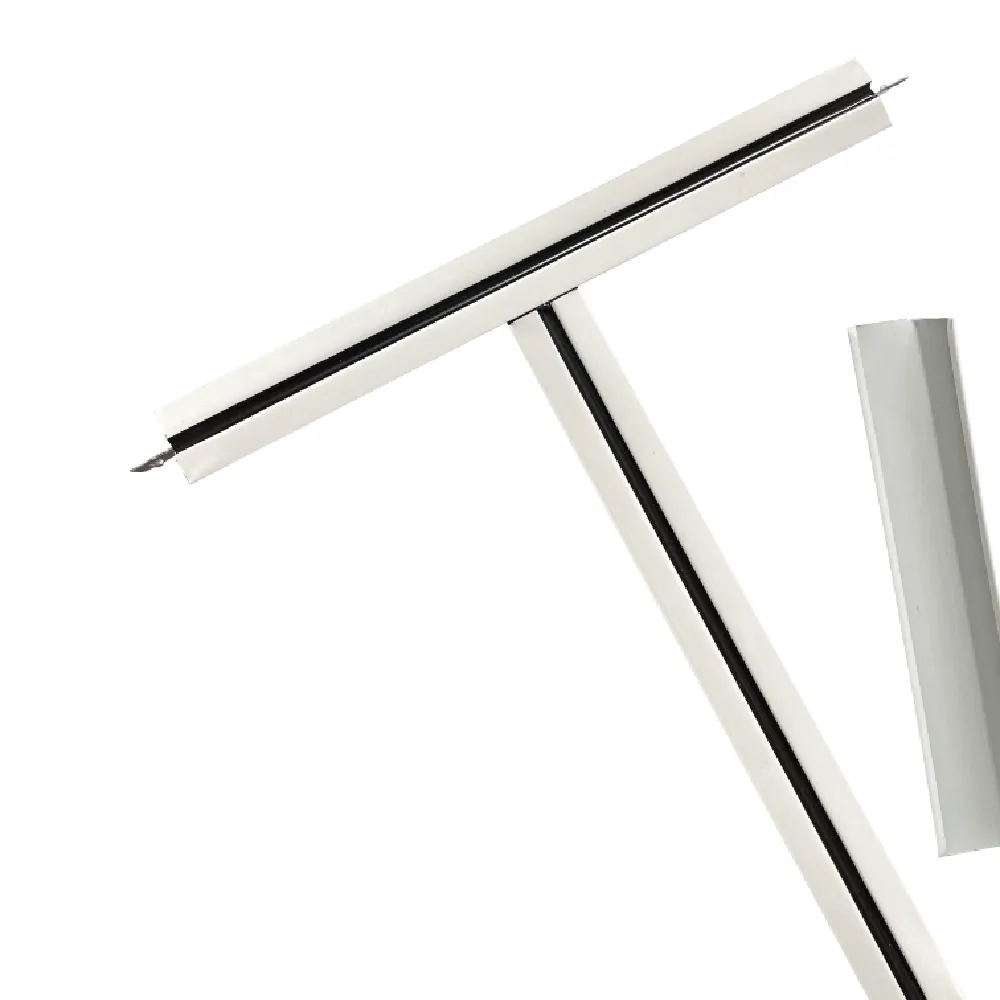
| Suspension System | Galvanized steel T-bars with moisture barriers |
| Finish Options | Matte, gloss, perforated, or micro-perforated panels |
| Fire Resistance | Class A (as per ANSI/UL 723) |
| Humidity Resistance | Waterproof coatings and sealed joints |
One story that stands out in my memory was a commercial aquatic center that initially installed a generic drop ceiling system. Within months, persistent condensation caused rusting and panel sagging. After retrofitting with a specialized pool ceiling system—similar to those from Xingyuan Ceilings—the issues vanished. It’s a reminder that investing in the right product pays off in the long run, rather than chasing short-term savings.
Speaking of vendors, not all suppliers are created equal. Here’s a quick comparison of some notable players in the sector, focusing on product range, customization, and after-sales support:
| Vendor | Material Options | Customization | Warranty & Support |
|---|---|---|---|
| Xingyuan Ceilings | Aluminum, Steel, Composite | High—panel size, finish, perforation | 10-year warranty, 24/7 support |
| AquaCeil Systems | Aluminum, PVC | Moderate—color and edge design | 5-year warranty, standard support |
| PoolTop Finishes | Steel only | Low—standard sizes only | 3-year warranty, limited support |
In my experience, the best systems strike a balance between robust engineering and thoughtful customization. The swimming pool environment is just unforgiving enough that you want ceiling panels that won’t flake, warp, or deteriorate over time. If you’ve ever felt that musty, damp smell in some older facilities, well—that’s the warning sign.
Interestingly, some modern systems even integrate lighting or sound insulation within the panels, which is kind of neat. You might think it’s overkill, but pool architects and engineers appreciate these little touches—because all these details add up to a safer, more pleasant aquatic environment.
So, if you’re specifying or replacing a swimming pool ceiling, I suggest prioritizing waterproof finishes, corrosion-resistant materials, and reputable vendors. And hey, if you want a reliable starting point, Xingyuan Ceilings has impressed me with their consistent quality and solid warranties.
To wrap up, swimming pool ceilings might not grab headlines, but in practical terms—they’re critical. They protect infrastructure, improve indoor air quality, and keep the space looking clean and professional.
Takeaway? Don’t cut corners here. A well-chosen ceiling system is a small investment that prevents headaches down the line.
- Industry standards for pool environment: ANSI/UL 723 fire resistance rating.
- Material corrosion research from the Journal of Architectural Engineering, 2019.
- Case studies from aquatic center renovations by leading suppliers.
-
Benefits and Guide of Mineral Fiber Ceiling Board for InteriorsNewsApr.16,2026
-
Modern Mineral Fiber Ceiling Solutions for Acoustic PerformanceNewsApr.09,2026
-
Mineral Fibre Board Ceiling vs Gypsum Board A Comprehensive Comparison GuideNewsApr.07,2026
-
Comprehensive Guide to Mineral Fiber Ceiling Specification and PerformanceNewsApr.04,2026
-
What Are Mineral Fiber Ceiling Tiles Made Of And Their ApplicationsNewsMar.31,2026
-
Exploring the Benefits of Suspended Mineral Fibre Ceiling Systems for Modern BuildingsNewsMar.28,2026