
Dec . 01, 2025 12:05 Back to list
Essential Guide to 6 Inch Round Access Panels: Features, Uses & Industry Insights
Why the 6 Inch Round Access Panel Matters Globally
Whether you’re an engineer, a contractor, or just someone who appreciates the little pieces that keep buildings functional, the 6 inch round access panel is a surprisingly important item. It’s one of those somewhat invisible heroes, tucked away in walls or ceilings, permitting quick access to vital electrical, plumbing, or HVAC systems. In a world where infrastructure reliability is mission-critical — especially in sensitive environments like hospitals, industrial facilities, and emergency shelters — having access solutions that work well isn’t just a luxury, it’s a necessity.
Globally, building maintenance costs run into the billions, and accessibility to hidden components directly influences efficiency and safety.[1] Understanding these little panels is a key part of modern building design, improving everything from inspection time to system upgrades.
The Global Context: Why Access Panels Still Get Overlooked
Believe it or not, the global construction industry spent over $11 trillion in 2023, with a rising demand for modular design and smart maintenance solutions.[2] In that massive number, a subtle part like a round access panel might seem tiny — but its role in reducing invasive maintenance work is huge.
Industries worldwide face challenges with aging infrastructure, safety concerns, and sustainable building practices. The right access panel helps solve these by providing easy, secure, and sometimes even airtight gateways to essential equipment behind walls or ceilings. Without them, repairs become messy, costly, and time-consuming.
So, when you think of the 6 inch round access panel, think about a keyhole that saves time, money, and a whole lot of headache.
What Exactly Is a 6 Inch Round Access Panel?
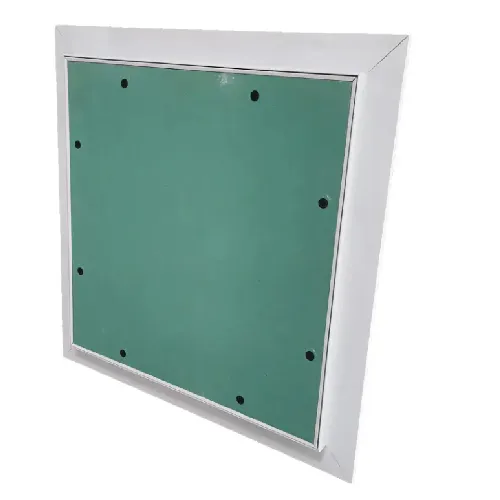
At its core, the 6 inch round access panel is a circular opening, roughly six inches in diameter, integrated into walls or ceilings. It has a removable cover that can be secured but easily unlocked when needed. These panels provide controlled access to things like valves, junction boxes, wiring components, and even plumbing cleanouts.
Unlike rectangular or square panels, the round shape is often preferred in spaces where aesthetic flow matters or where pipes and conduit shapes are round. Plus, the diameter size balances practicality with space efficiency — large enough for hands and tools but small enough to maintain structural integrity.
Industries ranging from residential and commercial construction to HVAC and even humanitarian emergency relief installations rely on these panels daily.
Mini Takeaway:
- The 6 inch round access panel is a compact, functional element designed for quick, easy maintenance access.
- It plays an unglamorous but crucial role in modern building efficiency and safety.
Core Features That Define Quality Access Panels
1. Durability & Material Quality
Most panels are made from galvanized steel, aluminum, or PVC, depending on the environment. For instance, galvanized steel is favored in commercial spaces for its robustness and corrosion resistance. In wet or corrosive areas, you’ll see plastic or rust-resistant coatings. Durability means fewer replacements and better long-term value.
2. Ease of Installation & Maintenance
Installation matters because a panel that’s hard to mount or remove defeats its purpose. Many engineers I spoke with highlight snap-in mechanisms or hinged covers with secure latches as game-changers. The ability to open the panel quickly during inspections or emergencies saves valuable time.
3. Airtight & Fire-Rated Options
In certain settings — hospitals, labs, or commercial kitchens — panels need fire ratings or airtight seals to maintain room conditions. These specialized variants come with gaskets or insulated doors to meet building codes and safety standards.
4. Customization & Compatibility
Though 6 inches is a standard size, vendors offer variations with different frame thicknesses and door styles — some even magnetic. Matching the panel to wall thickness and finish is vital for flush mounting and aesthetics.
5. Cost Efficiency
Fairly affordable, these panels offer high ROI because they reduce labor costs over time. Choosing the right material and features ensures you don’t overpay for unnecessary extras.
Mini Takeaway:
- Material and design directly affect panel longevity and performance.
- Choosing panels with the right features for your application saves hassle later.
Real-World Applications of the 6 Inch Round Access Panel
From New York to Nairobi, industries rely on these panels more than one might guess:
- Healthcare facilities: Access to electrical and plumbing systems without disrupting sterile environments.
- Industrial plants: Quick patch-ups in high-risk areas without halting operations.
- Residential housing: Allowing homeowners and technicians to access hidden pipe cleanouts or wiring junctions.
- Post-disaster relief: In temporary shelters, these panels help maintain valves and systems swiftly to ensure sanitation and safety.[3]
- Remote sites: Oil rigs and remote factories benefit from durable, easy-to-open panels for frequent maintenance jobs.
For example, a recent NGO project in Southeast Asia used 6 inch round access panels to improve water system repairs in flood-resistant homes. The small investment made ongoing maintenance much faster and less intrusive.
Specification Table: Typical 6 Inch Round Access Panel
| Feature | Details |
|---|---|
| Diameter | 6 inches (150 mm) |
| Material | Galvanized steel, aluminum, PVC |
| Finish | Powder-coated, bare metal, white painted |
| Mounting | Snap-in, screw-in, hinge with latch |
| Fire rating | Optional (up to 90 minutes) |
| Weight | 0.5–1 kg (varies by material) |
Comparing Popular Vendors for 6 Inch Access Panels
| Vendor | Material | Custom Options | Price Range | Lead Time |
|---|---|---|---|---|
| Xingyuan Ceiling Co. | Steel, Aluminum | Hinged Door, Fire-Rated | $$ (Mid-range) | 2 weeks |
| AccessPro Panels | PVC, Steel | Magnetic Cover, Custom Painting | $$$ (Premium) | 3 weeks |
| QuickAccess Inc. | Aluminum only | Basic Snap-in | $ (Budget) | 1 week |
Long-Term Benefits and True Value
Let’s get real — having the right access panel isn’t just about aesthetics or convenience. It actually saves you money in the long run by reducing invasive, costly repairs.
I’ve heard maintenance managers say that a well-placed, quality 6 inch round access panel prevents system downtime and can even be a lifesaver when time is critical during emergency repairs.
From a sustainability angle, the ability to maintain systems without tearing apart drywall or ceilings cuts waste. Socially, it promotes safer workplaces and residences.
There’s also an emotional comfort that comes with knowing that your building’s systems are accessible for regular checks — it breeds confidence for owners and operators alike.
Emerging Trends: What’s Next for Access Panels?
Technology is quietly creeping into this niche — imagine smart access panels embedded with sensors for condition monitoring or IoT-enabled access controls. Some manufacturers are experimenting with recycled materials and having panels certified for green building projects.
The future might also bring more automation, like panels that unlock only for authorized personnel or integrate with building management systems.
Addressing Common Challenges and Their Fixes
One issue with these panels is sometimes the seal isn’t tight enough, potentially allowing dust or moisture ingress. Another is difficulty fitting panels into non-standard wall thicknesses or curved surfaces. Manufacturers are tackling these by offering customizable frames and better gasket materials. Plus, ongoing industry efforts aim to standardize sizes worldwide, easing global procurement.
Frankly, nothing is totally perfect. But with good planning and a trusted supplier, these pain points are minimal.
FAQ: Your Questions on 6 Inch Round Access Panels Answered
Q: What materials are best for a 6 inch round access panel in humid climates?
A: Aluminum or PVC panels with corrosion-resistant coatings are best. They resist rust and moisture buildup, ensuring durability and safe access. Galvanized steel can work but should have added protective finishes.
Q: Can I install these panels in existing walls without major demolition?
A: Yes, many access panels are designed for retrofit installation. You’ll need to cut a matching hole and secure the frame, but it’s usually less invasive than replacing drywall sections multiple times during repairs.
Q: Are fire-rated 6 inch round access panels significantly more expensive?
A: They cost a bit more due to insulated doors and gaskets but provide critical safety benefits required in many commercial or healthcare buildings. The price difference is typically justified by compliance needs and insurance requirements.
Q: How do I choose between hinged and snap-in access panel covers?
A: Hinged covers are great for frequent access and safer handling, while snap-in styles offer simplicity for occasional maintenance. It boils down to user preference and job requirements.
Q: Are these panels reusable if I want to relocate them?
A: Often yes, but it depends on how they’re installed. Screw-in or hinged panels can usually be removed and reinstalled elsewhere, while some snap-in types may not be as easily reusable.
Wrapping It Up: Why You Should Care About the Small Stuff
The humble 6 inch round access panel packs quite a punch in the grand scheme of reliable infrastructure. Its role in enabling efficient maintenance, safety compliance, and cost savings is undeniable. From sprawling hospitals to tiny modular homes, these small access points keep things running smoothly—often without anyone noticing.
Interested in upgrading or sourcing panels? Head over to Xingyuan Ceilings for options tailored to your needs.
I suppose the takeaway is that even small design choices echo loudly through a building’s lifecycle…
References
-
Benefits and Guide of Mineral Fiber Ceiling Board for InteriorsNewsApr.16,2026
-
Modern Mineral Fiber Ceiling Solutions for Acoustic PerformanceNewsApr.09,2026
-
Mineral Fibre Board Ceiling vs Gypsum Board A Comprehensive Comparison GuideNewsApr.07,2026
-
Comprehensive Guide to Mineral Fiber Ceiling Specification and PerformanceNewsApr.04,2026
-
What Are Mineral Fiber Ceiling Tiles Made Of And Their ApplicationsNewsMar.31,2026
-
Exploring the Benefits of Suspended Mineral Fibre Ceiling Systems for Modern BuildingsNewsMar.28,2026