
Nov . 28, 2025 11:50 Back to list
Essential Guide to Fire Rated Ceiling Access Doors for Safety & Compliance
What Exactly Is a Fire Rated Ceiling Access Door and Why It Matters
If you’ve ever worked in building maintenance or managed commercial properties, the fire rated ceiling access door is probably something you’ve encountered — or at least should know about. In essence, it’s one of those architectural components that quietly saves lives and possessions, all while blending unobtrusively into ceilings. Globally, as fire safety standards tighten and building codes become more sophisticated, understanding this piece of hardware isn't just a nice-to-have. It’s crucial, wherever risk and regulation meet.
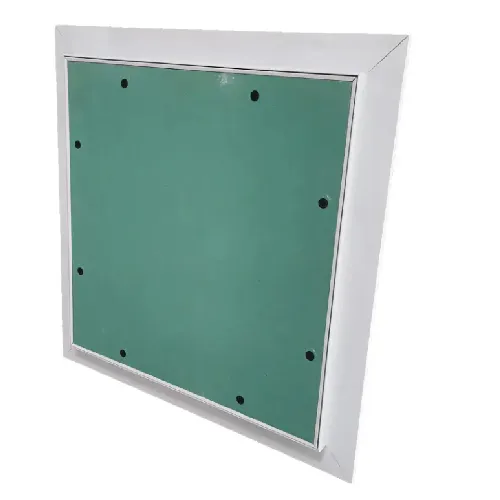
At a glance, they’re simply doors installed in ceilings to allow access to hidden mechanical or electrical areas, but the “fire rated” bit means that they’re specially constructed to resist fire for a specified period, acting as a barrier to prevent flames and smoke from spreading. This makes them vital in commercial, industrial, and institutional settings, where uncontrolled fire can quickly escalate into disaster.
Fire Rated Ceiling Access Doors: An Industry Perspective
Fire safety remains high on the agenda worldwide — the International Organization for Standardization (ISO) points out that fire-related building code enforcement has significantly reduced fatalities in many regions.[1] Around 30% of urban fire deaths occur due to inadequate compartmentalization. That’s where fire rated ceiling access doors come in.
Buildings housing sensitive equipment or large numbers of people especially need quick access points without compromising fire containment. For many building managers, it’s a delicate balance between accessibility, compliance, and safety. Without these specialized doors, maintenance becomes a messy, risky affair, and fire can spread unchecked — a nightmare scenario especially in high-rise or healthcare environments.
Defining the Fire Rated Ceiling Access Door
So, what precisely are we talking about? Simply put, a fire rated ceiling access door is a door designed to fit within a ceiling's structure that can endure fire for a predetermined duration (commonly 30, 60, or 90 minutes), maintaining structural integrity and sealing off flammable gases and smoke.
They’re mostly constructed from steel or specially treated aluminum, often with layers of insulating materials inside to prevent heat transfer. Their importance goes beyond code compliance: they ensure that critical access points don’t become vulnerable weak spots during emergencies.
Mini Takeaway:
- Fire rated ceiling access doors combine accessibility with safety — allowing inspection and repair without sacrificing fire compartmentalization.
Key Components That Define Quality and Performance
1. Fire Resistance Rating
This is the big one — typically verified by tests according to ASTM E119 or equivalent international standards, it dictates how long the door can endure fire (usually 30 to 120 minutes). This rating must match or exceed the ceiling system's rating.
2. Durability and Material
For practical use, doors often use galvanized or stainless steel to resist corrosion, especially in humid or industrial environments. The material thickness and finish also contribute to longevity.
3. Smoke Seals and Gaskets
Many fire events are made worse not just by flames but by smoke infiltration. Good-quality fire rated ceiling access doors often have intumescent seals that expand when heated, closing off gaps and preventing smoke passage.
4. Accessibility Features
Handles, hinges, and frames must facilitate safe and easy opening, sometimes under duress. Some models offer lockable options for security without compromising emergency access.
5. Compliance and Certification
Local fire codes or international standards vary, so a door’s certification is paramount to ensure legal and insurance peace of mind.
Mini Takeaway:
- In real applications, it’s not just about fireproofing — smoke control, durability, and ease-of-use are equally critical.
Where These Doors Protect: Global Use Cases
From sprawling hospitals in Europe to data centers in North America, fire rated ceiling access doors play crucial roles. In Southeast Asia’s rapidly growing urban centers, new high-rises increasingly incorporate them per modern fire codes. In industrial zones — where chemical risks are higher — these doors also meet strict regulations while allowing worker safety.
One vivid example: after a severe hospital fire in a major city, retrofitting fire rated access doors minimized damage in upgrades, allowing critical health services to continue functioning safely. Similarly, in remote energy plants, these doors protect expensive and sensitive machinery, helping technicians work without fear of exposure during fire threats.
Specifications at a Glance
| Specification | Typical Range | Notes |
|---|---|---|
| Fire Rating | 30, 60, 90, 120 minutes | Certified per ASTM E119 or EN 1634 |
| Material | Galvanized Steel, Aluminum | Coating options for corrosion resistance |
| Installation | Flush mount, recessed | Varies by ceiling type |
| Smoke/Intumescent Seal | Included / Optional | Expands when heated to seal gaps |
| Access Features | Lockable handle, concealed hinges | Balances security and accessibility |
Comparing Leading Vendors: What Sets Them Apart?
| Vendor | Fire Rating Options | Material Choices | Customization | Price Range |
|---|---|---|---|---|
| SafeGuard Doors | 30, 60, 90 min | Steel standard | Standard sizes | $$ |
| FireSecure Inc. | 30, 60, 90, 120 min | Steel, Aluminum | Custom colors and finishes | $$$ |
| CeilingGuard | 30, 60 min | Aluminum only | Limited customization | $ |
Why Invest in a Fire Rated Ceiling Access Door? The Benefits Unpacked
- Safety first: Preventing fire and smoke spread can save lives and avoid costly building damage.
- Regulatory compliance: Many jurisdictions require fire rated components to pass inspections and secure insurance.
- Lower long-term costs: High-quality doors minimize maintenance and replacements over time.
- Peace of mind: Building managers, tenants, and insurers all benefit from established fire barriers.
- Adaptability: Modern designs allow integration with HVAC and lighting systems without compromising fire integrity.
Frankly, when considering upgrades or new construction, adding certified fire rated ceiling access doors feels like one of those easy, no-brainer wins.
What the Future Holds: Innovations on the Horizon
There’s a surprising amount of R&D buzzing around these humble doors. Manufacturers are exploring lightweight composite materials to make installation simpler without sacrificing fire resistance — think carbon-fiber blends with intumescent layers. Digitally controlled access doors with fire-resistant sensor-triggered locking systems could soon be a thing, integrating with building automation for real-time safety monitoring.
Sustainability is another focal point — newer paint finishes use fewer volatile chemicals, and some vendors tout fully recyclable door panels. It’s interesting how something so fixed in the building’s fabric is adapting alongside smart technologies.
Challenges and How to Tackle Them
One hurdle often cited is the difficulty in matching fire rated doors to diverse ceiling structures with differing thicknesses or materials. Another challenge is ensuring installation quality since improper fitting can nullify certification.
Industry experts recommend using certified installers and conducting post-installation fire integrity testing. Also, investing in dust- and moisture-proof versions helps in harsh environments. It’s a reminder that even perfect products need equally perfect installation and upkeep.
FAQs About Fire Rated Ceiling Access Doors
- Q: How long can a fire rated ceiling access door hold up in an actual fire?
- A: Typically, they’re rated from 30 minutes up to two hours under standardized tests (ASTM E119). In real fires, performance varies but meeting these standards ensures a defined barrier time to facilitate evacuation and fire control.
- Q: Can the door be customized for different ceiling types?
- A: Yes, many manufacturers offer flush mount or recessed models with different frame sizes to fit gypsum, metal tile, or concrete ceiling systems.
- Q: Are fire rated ceiling access doors noisy when opened?
- A: Usually not, as they use well-designed hinges and handles. Quality models minimize noise to avoid disturbing occupants, which is key in hospitals or offices.
- Q: What maintenance do these doors require?
- Regular inspections to check for seal integrity, hardware function, and cleanliness should suffice, typically once or twice annually.
- Q: Where can I find certified fire rated ceiling access doors?
- They’re available through specialized construction suppliers and manufacturers. A good start is checking certifications and product details on trusted sites like fire rated ceiling access door vendors.
Wrapping Up: Fire Rated Ceiling Access Doors Are More Than Just Building Components
To sum up: these doors quietly play a massive role in life safety and property protection around the globe. They blend stringent engineering standards with practical design — a fusion that saves money, prevents tragedy, and keeps buildings compliant. As buildings grow smarter and sustainability standards shift, expect these doors to evolve, too.
Got a project coming up or curious about the best fire rated ceiling access door for your build? Feel free to visit our website to explore models, specs, and expert advice. After all, safety isn’t just about meeting codes — it’s about peace of mind.
Quick Reflection and References
-
Benefits and Guide of Mineral Fiber Ceiling Board for InteriorsNewsApr.16,2026
-
Modern Mineral Fiber Ceiling Solutions for Acoustic PerformanceNewsApr.09,2026
-
Mineral Fibre Board Ceiling vs Gypsum Board A Comprehensive Comparison GuideNewsApr.07,2026
-
Comprehensive Guide to Mineral Fiber Ceiling Specification and PerformanceNewsApr.04,2026
-
What Are Mineral Fiber Ceiling Tiles Made Of And Their ApplicationsNewsMar.31,2026
-
Exploring the Benefits of Suspended Mineral Fibre Ceiling Systems for Modern BuildingsNewsMar.28,2026