
Nov . 28, 2025 10:20 Back to list
High-Quality Large Ceiling Access Panels for Safe & Efficient Building Access
What Is a Large Ceiling Access Panel and Why Does It Matter?
At first glance, a large ceiling access panel might seem like a modest industrial or architectural component. But it’s anything but trivial. These panels provide critical access points to HVAC systems, electrical wiring, plumbing, and other infrastructure hidden in the ceilings of commercial buildings, hospitals, airports, and even humanitarian relief shelters. Globally, as buildings become smarter and infrastructure more complex, knowing about this humble gateway turns out to be surprisingly important.
Why should you care? Because access panels aren't just about convenience; they enable fast maintenance, reduce costly downtime, and support safer environments. As urban centers grow and sustainability demands rise, efficient building management—anchored by components like these panels—is a cornerstone of modern construction and facility operations.
The Global Context: Why Large Ceiling Access Panels Are More Relevant Than Ever
Look around the world: The United Nations estimates that more than 55% of the global population lives in urban areas today, and this is expected to increase to nearly 70% by 2050 (UN, 2022). Buildings are getting larger, more interconnected, and often digitally equipped. Essentially, the infrastructure hidden behind walls and ceilings—electrical grids, ventilation systems, water lines—is getting complex.
Facilities managers and engineers face the challenge of accessing these systems quickly and safely without causing disruption or damage. Enter the large ceiling access panel. With the right design, these panels allow efficient inspections, rapid repairs, and minimize risks during maintenance. Oddly enough, in emergency situations, they can even make a lifesaving difference by enabling swift entry to critical systems.
Defining a Large Ceiling Access Panel
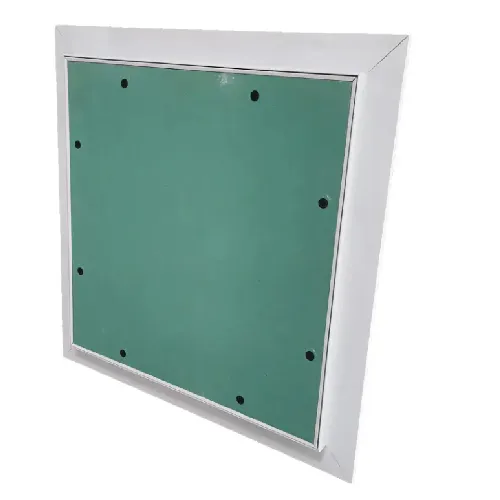
Simply put, a large ceiling access panel is an opening built into a ceiling that can be opened and closed to allow access to the space above. Unlike smaller panels, large ones accommodate bigger equipment, tools, or more than one technician at a time—think access for HVAC ducting maintenance or major electrical work.
In industry and humanitarian settings alike, these panels serve as practical gateways. Emergency shelters or hospitals might need rapid access for system upgrades; factories require regular checks for complex machinery. In all cases, the panel bridges the visible world to the hidden, vital network that keeps buildings functioning.
Key Features That Define Their Usefulness
Durability and Build Materials
Many engineers swear by aluminum or galvanized steel frames, often paired with fire-rated drywall or even insulated cores. This ensures panels withstand daily use, resist corrosion, and meet building codes, especially in hospitals or labs where hygiene and safety are paramount.
Size and Accessibility
A panel that's too small just won't cut it. A large ceiling access panel typically ranges from 24"x24" to over 48"x48" or custom sizes, designed to fit the ceiling type—suspended ceilings or plasterboard. This makes room for equipment and personnel.
Security and Locking Options
Because these panels often conceal sensitive infrastructure, locking mechanisms—from simple latches to keyed locks—are common. Some high-security venues opt for tamper-proof or monitored access panels.
Ease of Installation and Maintenance
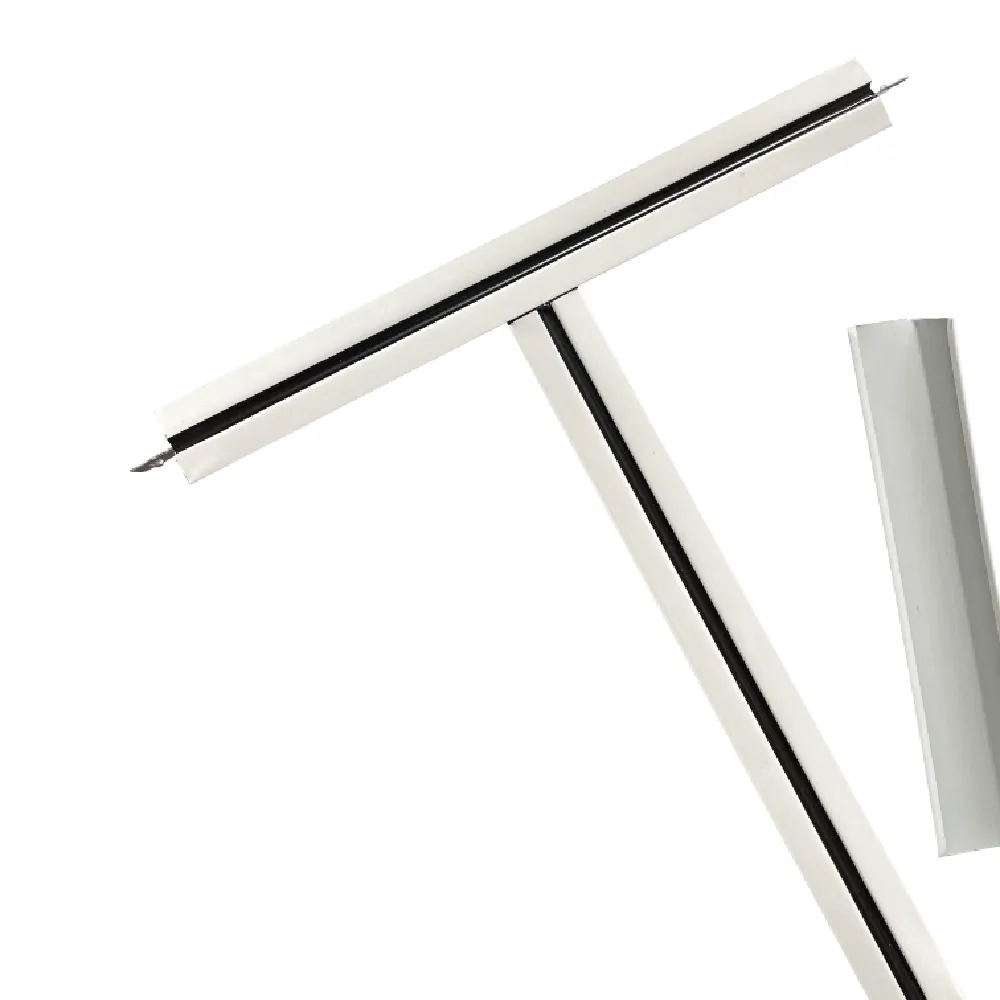
Panels that are lightweight yet sturdy reduce labor costs. Modular panels that snap into ceiling grids streamline both initial installation and future servicing.
Global Applications: Where Large Ceiling Access Panels Shine
Practical examples abound. In densely populated cities like Tokyo or New York, large commercial complexes rely on these panels to quickly fix HVAC issues that could otherwise force building shutdowns. Meanwhile, in disaster zones, temporary shelters often incorporate large access panels to enable fast repairs to vital utilities without tearing down walls.
Remote industrial zones—think mining sites in Australia or oil rigs in the North Sea—use them to maintain equipment sealed off from harsh environments. Hospitals in Europe leverage fire-rated panels meeting stringent ISO standards to keep clean rooms compliant yet accessible.
If you’re curious, check out how large ceiling access panel options can vary widely based on these different uses.
Mini Takeaway:
- Durability and size are non-negotiable in practical use.
- Applications range from urban high-rises to remote workstations.
Advantages: Why Investing in Large Ceiling Access Panels Pays Off
Beyond just being a "hole with a door," these panels provide long-term value in several ways:
- Cost-Efficiency: Reduces labor and downtime by allowing direct and quick access.
- Safety: Less intrusive access lowers accident risks and respects occupant safety.
- Sustainability: Durable materials reduce waste; maintenance access encourages system longevity.
- Social Impact: In humanitarian setups, preserving dignity and safety depends on these reliable access points.
Frankly, a well-designed access panel says something about the professionalism and foresight of a builder or facilities manager—a small thing that builds big trust.
Product Specification Table
| Feature | Specification | Details / Notes |
|---|---|---|
| Material | Aluminum frame, Gypsum board door | Fire-rated options available |
| Sizes | 24” x 24” to 48” x 48” (custom available) | Fits standard ceiling grids |
| Load Rating | Up to 250 lbs | Suitable for light service loads |
| Locking | Latch, Key Lock, Optional electronic lock | Security varies by application |
| Finish | White painted or custom color | Matches ceiling style easily |
Vendor Comparison: Finding the Right Partner for Large Ceiling Access Panels
| Vendor | Range of Sizes | Materials Offered | Lead Time | Special Features |
|---|---|---|---|---|
| Xingyuan Ceilings | 24"x24" - 60"x60" | Aluminum, Steel, Fire-Rated Drywall | 2-3 weeks | Custom finishes, Electronic locks |
| Global Panel Co. | Standard sizes up to 48"x48" | Steel, Aluminum | 4-6 weeks | Tamper-proof locks |
| CeilAccess Solutions | Custom sizes only | Fiberglass, Composite panels | 3-5 weeks | Moisture-resistant panels |
Looking Ahead: Innovations and Trends in Access Panels
The future, if you ask industry insiders, looks pretty bright—and a little smart. Expect to see panels featuring integrated sensors monitoring air quality or humidity above ceilings. Automated locking systems, remote opening, and even self-cleaning surfaces are on the horizon as digitization blends with construction.
On the environmental front, manufacturers are experimenting with recycled metals and coatings that reduce heat retention, aligning with global goals like the ISO 14001 environmental management standards.
So, it’s no surprise many consultants deem these access panels a "small but mighty" player in sustainable building design.
Common Challenges and How Experts Tackle Them
Of course, no product is perfect. Some challenges include:
- Weight vs. Strength Balance: Too heavy, and it’s a pain to open; too light, and it might warp or break.
- Compatibility with Diverse Ceiling Types: Not all ceilings are created equal, so custom fittings might be necessary.
- Cost Constraints: High-spec fire-rated or insulated panels can be pricey.
Experts often recommend modular designs that combine lightweight aluminum frames with reinforced core inserts. This kind of hybrid improves load capacity without weight penalty. And yes, partnering with reliable vendors who understand local codes and environment makes all the difference.
FAQ: Your Questions About Large Ceiling Access Panels
1. What size should I choose for a large ceiling access panel?
Size depends on the intended use. For maintenance requiring equipment or multiple people, panels 36"x36" or larger are typical. Always measure ceiling grid specs and system dimensions to ensure fit and function.
2. Are large ceiling access panels fire-rated?
Many models come with fire-rated certification, especially for hospitals or commercial buildings adhering to strict codes (e.g., ASTM E119). Confirm with your supplier to get appropriate certifications.
3. Can I install these panels myself?
Simple models snapping into ceiling grids might be DIY-friendly, but larger or specialized panels usually require professional installation to guarantee security and code compliance.
4. How are these panels maintained?
Maintenance typically involves cleaning hinges and seals and checking locks. In dusty environments, panels with dust-resistant finishes help extend intervals between servicing.
5. Can large ceiling access panels be customized by color or finish?
Yes! Many suppliers offer custom painting or powder coating to match ceilings or branding, making panels both functional and visually unobtrusive.
Final Thoughts and Next Steps
All things considered, a large ceiling access panel is more than just a door in the ceiling. It’s a practical enabler of safety, efficiency, and sustainability across industries worldwide. While often overlooked, investing time and care into choosing the right panel pays long-term dividends in operational reliability and peace of mind.
Ready to explore your options? Visit https://www.xingyuanceilings.com to view tailored large ceiling access panels that bring quality and innovation to your space.
References:
- United Nations, World Urbanization Prospects (2022)
- ISO 14001 Environmental Management Systems
- ASTM E119 - Standard Test Methods for Fire Tests of Building Construction and Materials
-
Benefits and Guide of Mineral Fiber Ceiling Board for InteriorsNewsApr.16,2026
-
Modern Mineral Fiber Ceiling Solutions for Acoustic PerformanceNewsApr.09,2026
-
Mineral Fibre Board Ceiling vs Gypsum Board A Comprehensive Comparison GuideNewsApr.07,2026
-
Comprehensive Guide to Mineral Fiber Ceiling Specification and PerformanceNewsApr.04,2026
-
What Are Mineral Fiber Ceiling Tiles Made Of And Their ApplicationsNewsMar.31,2026
-
Exploring the Benefits of Suspended Mineral Fibre Ceiling Systems for Modern BuildingsNewsMar.28,2026