
Nov . 27, 2025 21:20 Back to list
Why a Ceiling Inspection Hatch is Essential for Building Safety and Efficiency
Understanding the Ceiling Inspection Hatch: Why it Matters Globally
At first glance, a ceiling inspection hatch might seem like a mundane architectural component, almost invisible until something goes wrong. Yet, this little feature plays a surprisingly vital role in building safety, maintenance, and efficiency worldwide. Across residential buildings, hospitals, commercial centers, and industrial plants, a well-designed ceiling inspection hatch ensures easy access to otherwise hidden spaces—the crucial junctions of electrical wiring, HVAC systems, and plumbing.
Globally, with urban construction booming and infrastructure aging, maintaining safe, accessible facilities is a mounting challenge. According to the United Nations (UN), more than half the world’s population lives in urban areas, creating ever more complex buildings that need reliable access points for inspection and repairs.1 By understanding the nuances of ceiling inspection hatches, stakeholders—from building managers to architects—can secure safer environments and avoid costly renovations or emergencies later on.
The Growing Importance of Ceiling Inspection Hatches in Industry Today
With more complex HVAC systems, fire safety regulations, and energy efficiency goals in play, the demand for reliable inspection access points has never been higher. The International Organization for Standardization (ISO) has published specific guidelines on building accessibility and inspection points to ensure consistent safety standards.2 This embrace of standardized quality puts a spotlight on features like ceiling inspection hatches to prevent latent hazards like undetected leaks, faulty cables, or clogged ducts.
Oddly enough, many failures in building maintenance start with neglected or poorly designed hatches, leading to expensive downtime or, worse, safety risks for occupants. It’s a quiet but critical element in the push for safer, smarter buildings around the world.
What Exactly is a Ceiling Inspection Hatch?
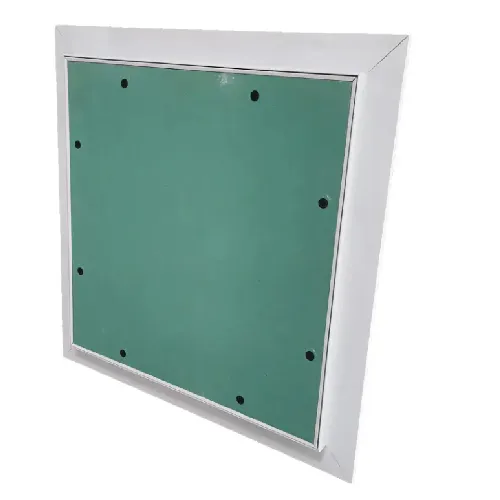
Simply put, a ceiling inspection hatch is a panel or door installed in the ceiling that allows authorized personnel to access the building’s systems above the ceiling plane—like electrical wiring, ductwork, or plumbing—for inspection, maintenance, and repairs. Think of it as a small gateway to an otherwise hard-to-reach cavity.
In modern construction, these hatches connect the dots between architectural design, operational efficiency, and safety protocols. In humanitarian or industrial contexts, they can also mean quick access during emergencies or inspections, sometimes making the difference between a minor fix and a structural crisis.
Core Features of Quality Ceiling Inspection Hatches
Durability
Many engineers say that whatever the hatch is made of, it must last decades without warping or rusting — especially in humid environments like hospitals or coastal areas. Materials range from galvanized steel to reinforced PVC for different use cases.
Secure but Accessible Design
The hatch has to strike a balance: easy enough for maintenance staff to open quickly, yet secure enough to prevent unauthorized access that could lead to safety hazards or tampering.
Fire and Acoustic Resistance
Building codes increasingly demand that inspection hatches match the fire rating of the ceiling and block noise transmission. This means special seals, insulation, and sometimes intumescent materials are built right into the frame and door.
Size and Customization
Depending on the building’s infrastructure, hatch sizes vary widely—from small round panels for electrical junction boxes to large rectangular hatches that provide access for bigger mechanical equipment. Custom options allow integration with ceiling tiles or drywall.
Ease of Installation and Maintenance
A quality hatch supports swift installation and can be removed or replaced without dismantling large ceiling sections—cutting costs and downtime.
Real-world Applications & Use Cases
From hospitals in Germany to office towers in Dubai, ceiling inspection hatches are everywhere, quietly supporting essential upkeep. In post-disaster scenarios—for example, after floods or earthquakes in Southeast Asia—inspection hatches enable rapid infrastructure evaluation without tearing down ceilings, saving precious time and costs.
Remote industrial zones, like oil rigs or mining sites, rely on high-durability hatches made to withstand harsh conditions. Meanwhile, modern commercial spaces integrate smart sensor systems just behind these access points, enabling IoT monitoring that signals when maintenance is needed.
Ceiling Inspection Hatch Specification Table
| Feature | Specification | Typical Use Case |
|---|---|---|
| Material | Galvanized steel, aluminum, PVC | Indoor and humid environments |
| Fire Rating | 30-90 minutes (intumescent seals) | Commercial and healthcare buildings |
| Size | 300x300mm to 600x600mm | Electrical/Mechanical access |
| Opening Mechanism | Hinged, removable panel, sliding | Maintenance ease |
| Acoustic Insulation | Up to 40 dB | Recording studios, offices |
Comparing Leading Vendors of Ceiling Inspection Hatches
| Vendor | Material Options | Fire Rating | Customization | Average Lead Time |
|---|---|---|---|---|
| Xingyuan Ceilings | Steel, PVC, Aluminum | Up to 90 min | High (sizes, finishes) | 2-3 weeks |
| AccessPanel Pro | Steel, Aluminum | 60 min | Medium | 3-4 weeks |
| SafeCeil Hatch Co. | PVC only | 30 min | Low (standard sizes) | 1-2 weeks |
Advantages & Long-Term Value of Ceiling Inspection Hatches
The tangible benefits of installing well-designed ceiling inspection hatches are obvious on multiple fronts:
- Cost Savings: Easier access means quicker repairs, which reduces labor costs and prevents major damage.
- Sustainability: Evaluating HVAC or leak issues early conserves energy and resources.
- User Safety & Dignity: Ensures technicians work in safe conditions without risky ceiling removals.
- Innovation & Trust: Smart hatches integrated with sensors promote predictive maintenance—building trust between operators and occupants.
Frankly, skipping on quality inspection hatches is like buying a car and never changing the oil—sure, it might run fine for a while, but disaster waits around the corner.
The Future: Trends and Innovations
As green construction standards rise, so does the interest in sustainable materials like recycled plastics or composites for hatches, cutting down on carbon footprints. Digital transformation is also pushing 'smart' ceiling inspection hatches embedded with sensors to monitor temperature, humidity, or unauthorized access remotely.
Automation, too, could play a part: imagine motorized hatches that open on command only for certified personnel, paired with AI-driven monitoring systems—possibly over-engineering for some, but an exciting glimpse forward.
Challenges & Solutions
While the benefits are clear, challenges remain. Poor installation can nullify all advantages, and hatches that don’t match fire safety codes create liabilities. Moreover, standard sizes may not fit older or custom buildings well.
Solutions? Expert consultations on building needs and pre-installation testing are invaluable. Vendors increasingly offer customizable options and technical support to solve these issues upfront. Also, modular hatch kits reduce installation errors and speed integration.
FAQ: Your Ceiling Inspection Hatch Questions Answered
- What size ceiling inspection hatch do I need for electrical maintenance?
- Generally, a hatch around 300x300mm suffices for basic electrical work, but larger equipment or HVAC systems may require 600x600mm or bigger. Always check local codes and your specific system dimensions.
- Are fire-rated ceiling inspection hatches required in commercial buildings?
- In most jurisdictions, yes. Fire-rated hatches help maintain the ceiling’s fire resistance rating, preventing hazardous fire spread through inspection openings.
- Can I install a ceiling inspection hatch myself?
- If you have strong DIY skills and the right tools, it’s possible. However, incorrect installation can compromise fire safety and sealing, so consulting a professional is recommended, especially for commercial projects.
- How do inspection hatches contribute to energy efficiency?
- By allowing easy access to HVAC systems and ductwork for timely maintenance, inspection hatches help ensure these systems run efficiently, preventing energy loss due to leaks or blockages.
- Where can I find reliable providers of customized ceiling inspection hatches?
- Vendors like ceiling inspection hatch specialists offer customizable options. Look for companies with ISO certification and good reviews to ensure quality and dependable service.
Conclusion: The Unsung Hero of Building Safety & Efficiency
At the end of the day, a ceiling inspection hatch isn’t just a panel in your ceiling—it’s an essential feature that protects buildings, occupants, and budgets worldwide. From safety to sustainability and the quiet promise of innovation, it’s a small investment with big returns over the long haul.
Interested in upgrading your facilities with top-quality options? Visit us at https://www.xingyuanceilings.com to explore a wide range of ceiling inspection hatches designed to meet diverse needs.
1. United Nations Urbanization Prospects: UN Climate and Urban Growth
2. ISO Building Access Standards: ISO 30042:2018
3. National Fire Protection Association: NFPA Codes
-
Benefits and Guide of Mineral Fiber Ceiling Board for InteriorsNewsApr.16,2026
-
Modern Mineral Fiber Ceiling Solutions for Acoustic PerformanceNewsApr.09,2026
-
Mineral Fibre Board Ceiling vs Gypsum Board A Comprehensive Comparison GuideNewsApr.07,2026
-
Comprehensive Guide to Mineral Fiber Ceiling Specification and PerformanceNewsApr.04,2026
-
What Are Mineral Fiber Ceiling Tiles Made Of And Their ApplicationsNewsMar.31,2026
-
Exploring the Benefits of Suspended Mineral Fibre Ceiling Systems for Modern BuildingsNewsMar.28,2026