
Nov . 27, 2025 19:50 Back to list
The Ultimate Guide to Ceiling Attic Access Doors: Benefits, Trends & Top Vendors
The Unsung Hero: Why a Quality Ceiling Attic Access Door Matters Worldwide
Let’s start with something you probably take for granted—a ceiling attic access door. It doesn’t sound glamorous, but these humble doors quietly hold a key role across industries, homes, and even humanitarian projects globally. Why? Because they’re the gateway to hidden spaces that ensure safety, maintenance, and efficient use of building infrastructure.
At the global scale, understanding ceiling attic access doors helps architects, contractors, and facility managers improve building longevity and energy efficiency. Whether you’re looking to retrofit a heritage site or build a new warehouse in a rough climate, a smart choice of access door makes a surprising difference. Plus, with growing urbanization and sustainability demands, these doors aren’t just panels—they’re critical components of building ecosystems.
Mini takeaway: Look beyond the surface—the ceiling attic access door might seem small, but it opens up huge practical and environmental benefits worldwide.
Introduction: Why the Ceiling Attic Access Door Is a Global Building Staple
The global construction and building maintenance market, valued at over $11 trillion according to the World Bank, increasingly acknowledges often-overlooked elements like attic access. Around 45% of energy lost in buildings comes from poorly insulated or sealed attics, and guess what? The access door can be a major culprit if chosen unwisely. Now toss in rapid urban expansion, especially in Asia-Pacific and Europe, where millions of new homes rise yearly... and the relevance spikes.
Yet here’s a challenge: many builders still install cheap, inadequate attic doors without considering thermal breaks, fire safety, or easy maintenance access. That’s a cost and risk multiplier over time. As ISO standards evolve (ISO 13788 for hygrothermal performance, for example), quality ceiling attic access doors become more than just wood or metal cutouts—they’re smart, engineered barriers.
Mini takeaway: In a world battling energy wastage and stricter codes, a ceiling attic access door is a modest but vital piece of the puzzle.
What Exactly Is a Ceiling Attic Access Door?
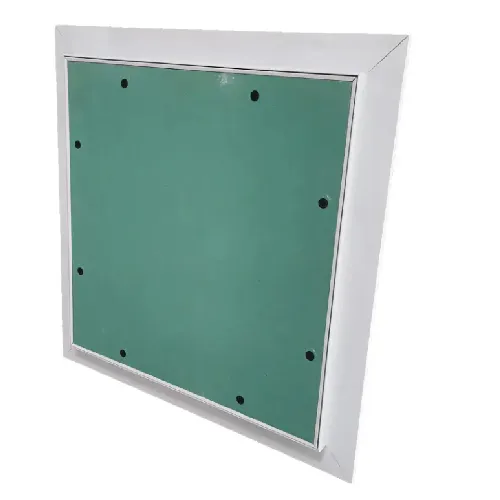
Simply put, a ceiling attic access door is an entry panel installed in ceilings to provide safe, convenient access to attic spaces or crawl spaces above buildings. These doors let technicians inspect wiring, plumbing, insulation, and HVAC systems without dismantling walls or ceilings—big time efficiency gain.
On a bigger scale, they help preserve building health, support emergency access, and permit upgrades, fitting neatly into “modern infrastructure access” categories that humanitarian agencies and industries value. Especially in disaster-prone or resource-scarce areas, good attic access doors reduce repair times and costs, improving overall resilience.
Mini takeaway: This isn’t just a door. It’s a portal that supports everything from routine maintenance to emergency response.
Key Factors to Consider When Choosing a Ceiling Attic Access Door
1. Durability & Material
Most attic doors come in wood, metal, or composite materials. Durable steel doors resist warping and moisture damage, ideal in humid climates. Wood offers better insulation but can swell or rot without proper treatment. Composite doors strike a balance but often cost more upfront. Many engineers say the choice depends heavily on environmental exposure and maintenance cycles.
2. Thermal Performance
This is a biggie in energy-conscious buildings. The door should provide an air-tight seal with added insulation to keep heat loss or gain minimal, especially in cold or hot regions. Specialized attic access doors come with thermal breaks or gasket sealing, which according to ISO 10211 guidance, reduces condensation risks and energy wastes.
3. Fire Resistance
In commercial buildings or multi-unit homes, fire-rated attic access doors (often rated for 20-90 minutes) can slow fire spread via attic spaces. Compliance with local fire codes (NFPA, for instance) is often mandatory.
4. Size & Accessibility
The door’s dimensions must fit building codes and be large enough for comfortable maintenance work. Some projects require hinged with pull-down ladders or flush-mounted panels to keep aesthetics tidy.
5. Easy Installation & Maintenance
Quick-fit designs reduce labor costs and simplify upgrades. Doors that allow simple panel swaps or repairs without ceiling damage get bonus points.
6. Security & Pest Protection
In some regions, attics attract pests or intruders. Doors with seals and locks add an unexpected layer of building security.
| Feature | Typical Value/Option | Notes |
|---|---|---|
| Material | Wood / Steel / Composite | Depends on environment and budget |
| Dimensions | 400-600 mm square | Standard sizes, customizable |
| Thermal Insulation | R-value 3-6 | Thermally broken models available |
| Fire rating | 20-90 minutes | Model-dependent, check specs |
| Installation Type | Recessed or surface-mounted | Affects aesthetics and accessibility |
Where in the World Do Ceiling Attic Access Doors Make a Difference?
Oddly enough, regions prone to colder climates like Scandinavia or Canada invest heavily in insulated attic doors to conserve heat and reduce energy bills. In tropical zones such as Southeast Asia, pest-resistant and moisture-proof doors are a top priority in housing projects.
Industrial sectors like data centers and manufacturing plants utilize heavy-duty attic access doors for cable management and quick system inspections, improving uptime. Meanwhile, NGOs running field hospitals or temporary shelters rely on quick-install attic access panels for service checks without compromising hygiene or security.
Take, for example, a remote telecom tower in rural Africa. Maintenance teams reported saving hours thanks to an innovative ceiling attic access panel that allowed easy cabling and battery checks, even under tight time constraints.
Mini takeaway: Whether a sustainable urban apartment or a remote field outpost, this door type is fundamental in diverse contexts.
Advantages & Long-Term Value of Investing in a Quality Ceiling Attic Access Door
- Cost Savings: By cutting maintenance time and energy losses, the door contributes directly to reduced operating expenses.
- Environmental Impact: Enhanced insulation lowers emissions related to heating/cooling.
- Safety & Compliance: Fire-rated and secure doors protect occupants and assets during emergencies.
- Longevity: Durable materials delay replacements and reduce waste.
- Emotional Reassurance: Building owners and users gain peace of mind from knowing access is safe and hassle-free.
Frankly, when a facility manager praises an attic door for “making my life easier and my building safer,” it clicks just how valuable these doors truly are.
What’s Next? Future Trends & Innovations in Ceiling Attic Access Doors
Moving forward, expect to see smart attic access solutions equipped with sensors monitoring moisture, temperature, or unauthorized access—connected to building management systems. 3D printed custom doors tailored exactly to irregular ceiling sizes are starting to hit the market, cutting waste.
Material science is offering ultra-light, high-strength composites that are more sustainable and insulating. Additionally, with carbon footprint regulations tightening worldwide, manufacturers embrace greener production processes.
Automation might bring motorized attic doors that can open with a tap on a tablet—controversial perhaps, but undeniably practical in harsh or dangerous locations.
Problems Still Standing & How Experts Suggest We Fix Them
Installation errors remain a big thorn. Even the best door fails if it’s misaligned or poorly sealed. Field reports show contractors skimping on training or proper hardware. The solution? Better education programs and plug-and-play kits designed with foolproof guides.
Also, cost-tight projects often downgrade insulation, which defeats the purpose. Incentives through building codes and subsidies could boost adoption of premium attic access doors more broadly.
FAQ: Your Ceiling Attic Access Door Questions Answered
- Q: Can ceiling attic access doors be customized for size and material?
A: Absolutely. Most vendors offer a range of standard sizes but can customize doors to fit unique ceiling dimensions or specific environmental needs like fire resistance or insulation. - Q: How do I ensure my attic access door won’t cause energy loss?
A: Choose models with high R-values and proper sealing gaskets. Installation quality is equally important to prevent drafts or condensation. - Q: Are these doors compatible with automated home systems?
A: Increasingly, yes. Some advanced panels integrate sensors or motorized opening mechanisms for smart building applications. - Q: What’s the average lifespan of a ceiling attic access door?
A: With proper maintenance and quality materials, doors typically last 15-30 years, sometimes longer. - Q: Where can I buy reliable ceiling attic access doors?
A: Trusted manufacturers and suppliers can be found online, and local building material stores. For tailored needs, look for vendors with ISO certification and strong after-sales support.
| Vendor | Materials Offered | Typical Price Range | Special Features | ISO Certification |
|---|---|---|---|---|
| Xingyuan Ceilings | Wood, Composite | $50 - $120 per unit | Thermal & moisture seal | ISO 9001 |
| AccessTech Solutions | Steel, Composite | $70 - $150 per unit | Fire-rated models | ISO 14001 |
| BuildSafe Components | Wood, Steel | $60 - $130 per unit | Easy-install kits | ISO 9001 |
Wrapping Up: Why This Quiet Component Deserves More Attention
So, without a doubt, the ceiling attic access door is a small but profoundly influential detail in building design and maintenance. It can save money, enhance safety, and even contribute to global sustainability goals if done thoughtfully. Next time you’re under a ceiling, consider what lies behind that panel—and how a quality door there might just keep life running smooth.
Interested in upgrading or exploring options? Visit ceiling attic access door specialists like Xingyuan Ceilings for trusted products and expert advice.
Mini takeaway: The future is bright for this often unnoticed door—smart, green, and ready for the challenges ahead.
References:
1. ISO Standards on Thermal Performance
2. World Bank Urban Development Data
3. Wikipedia: Fire-resistant Building Materials
-
Benefits and Guide of Mineral Fiber Ceiling Board for InteriorsNewsApr.16,2026
-
Modern Mineral Fiber Ceiling Solutions for Acoustic PerformanceNewsApr.09,2026
-
Mineral Fibre Board Ceiling vs Gypsum Board A Comprehensive Comparison GuideNewsApr.07,2026
-
Comprehensive Guide to Mineral Fiber Ceiling Specification and PerformanceNewsApr.04,2026
-
What Are Mineral Fiber Ceiling Tiles Made Of And Their ApplicationsNewsMar.31,2026
-
Exploring the Benefits of Suspended Mineral Fibre Ceiling Systems for Modern BuildingsNewsMar.28,2026