
Nov . 30, 2025 02:10 Back to list
Everything You Need to Know About 18x18 Ceiling Access Panels | Features, Benefits & Vendors
What Exactly Is an 18x18 Ceiling Access Panel and Why Does It Matter?
You might not think much about ceiling access panels until you really need one — perhaps when an electrician or a plumber has to dip behind your ceiling tiles during a repair. But the humble 18x18 ceiling access panel plays a surprisingly big role in building maintenance, safety, and even aesthetics. Globally, with the rise of modern construction standards and tighter building codes, having standardized, durable, and efficient ceiling access points is no longer optional; it’s mandatory. Understanding these simple yet cleverly designed units can save property owners thousands in repair costs, reduce downtime, and contribute to better fire safety and HVAC efficiency.
In short, if you care about infrastructure resilience or managing building systems smoothly, the 18x18 ceiling access panel is a tiny but mighty piece of the puzzle.
Introduction: The Global Context of Ceiling Access Panels
Across the globe, commercial and residential constructions increasingly adopt modular and pre-fabricated systems, which often incorporate access panels for ease of maintenance. According to the International Code Council (ICC) and ISO standards, properly sized and placed access panels are essential for equipment servicing in confined ceiling spaces. The standard 18x18 inch size aligns well with common ceiling grid configurations, especially in office buildings, hospitals, and schools, making it a global favorite.[1]
The challenge, however, is that many older buildings still lack proper ceiling accessibility, slowing down routine inspections and emergency repairs — usually at a substantial cost and risk. For example, the World Bank estimates that poor building maintenance prolongs downtime by nearly 30% in urban infrastructure projects.[2] The 18x18 ceiling access panel addresses this by providing a convenient, standardized solution that industrial and commercial stakeholders rely on.
What Is an 18x18 Ceiling Access Panel?
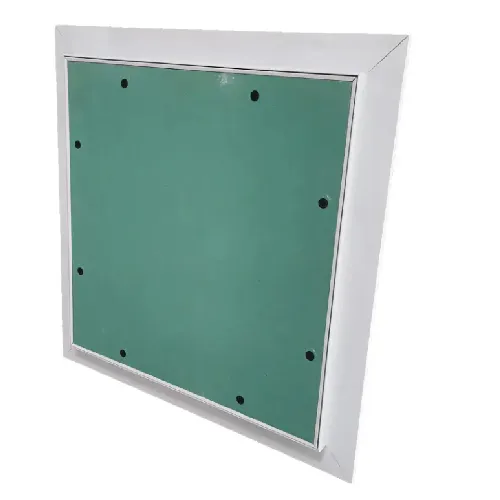
In simple terms, the 18x18 ceiling access panel is a square or rectangular opening set into a suspended or drywall ceiling, measuring eighteen inches on each side. It serves as a doorway — often subtle and flush-mounted — for technicians to reach plumbing, wiring, ventilation ductwork, or fire suppression systems above the ceiling without destructive demolition.
It’s kind of like a hidden portal that’s both elegant and functional. The panel usually comes with a removable door or cover, often equipped with locking mechanisms or hinges for repeated use. In modern construction and especially in humanitarian or temporary housing needs, such panels facilitate rapid maintenance and upgrades, saving precious time and costs.
Key Factors and Features of 18x18 Ceiling Access Panels
1. Durability and Materials
These panels need to last through thousands of open-close cycles without warping or breaking. Manufacturers often use galvanized steel, aluminum, or PVC composites. Galvanized steel is popular for industrial settings thanks to its rust resistance and strength, while aluminum panels shine in lighter-duty or hospitable environments for their lightweight and corrosion-free properties.
2. Fire and Safety Compliance
Compliance with fire safety standards is a biggie in commercial buildings. Fire-rated 18x18 ceiling access panels are designed to provide a barrier against smoke and flames for a specific duration, ensuring that fire and rescue teams can maintain integrity without compromising access.
3. Installation and Maintenance Ease
Since these panels must be quick to fit and easy to service, innovative snap-in frames and adjustable flanges are common features. This allows for tool-free installation and the ability to fit over uneven ceiling grids — a minor blessing during hectic retrofitting projects.
4. Aesthetic Integration
Oddly enough, since ceiling access panels appear inside occupied spaces, manufacturers now offer paintable or even concealed designs that blend perfectly, so you barely notice the panel’s there. For architects and interior designers, this is a welcomed upgrade.
5. Size Standardization
The 18x18 inch dimension is popular because it balances working room for technicians without wasting space or compromising ceiling structure. Standardization means easier sourcing, replacement, and compliance with building codes worldwide.
Typical Specifications for an 18x18 Ceiling Access Panel
| Specification | Details |
|---|---|
| Panel Dimension | 18" x 18" (457 mm x 457 mm) |
| Material | Galvanized Steel / Aluminum / PVC |
| Finish | Powder coated, paintable, or raw metal |
| Fire Rating | Up to 90 minutes (varies by model) |
| Mounting Type | Flange frame, snap-in, or screw-mounted |
| Weight | Approximately 4–6 lbs (1.8–2.7 kg) |
Mini takeaway: When selecting an 18x18 ceiling access panel, pay close attention to the material and fire rating requirements — not all panels are created equal, especially for commercial or high-traffic buildings.
Comparing Top Vendors of 18x18 Ceiling Access Panels
| Feature | Vendor A (SteelPro) | Vendor B (AluLite) | Vendor C (EcoPanel) |
|---|---|---|---|
| Material | Galvanized Steel | Aluminum | Recycled PVC Composite |
| Fire Rating | 90 minutes | 60 minutes | None (Eco-friendly focus) |
| Installation | Screw-mounted frame | Snap-in frame | Flange mount |
| Price (approx.) | $45 per panel | $50 per panel | $40 per panel |
| Aesthetic Options | Paintable, smooth finish | Anodized finishes | Textured surfaces |
These vendor differences matter when deciding between durability, cost, ease of install, and eco friendliness. It's worth thinking through your site's priorities — a couple of bucks saved now could mean costly headaches in the future.
Applications Around the World — Where and Why 18x18 Ceiling Access Panels Shine
From skyscrapers in New York to government hospitals in Nairobi, the 18x18 ceiling access panel pops up pretty much everywhere that proper infrastructure maintenance is critical. In industrial zones, like oil refineries or manufacturing plants, rapid access to wiring and piping systems reduces downtime — vital for costly uptime-dependent operations.
In post-disaster relief operations, temporary shelters often incorporate these panels to enable fast repairs to HVAC or sanitation systems. NGOs appreciate the standard sizing because replacement panels are easy to ship internationally, and technicians don’t need specialized tools.[3]
Oddly enough, some luxury residences are even adding hidden 18x18 ceiling access panels simply to streamline their smart-home wiring or HVAC upgrades without remodels later on.
Mini takeaway: The versatility of the 18x18 panel makes it a quiet superstar in industries ranging from healthcare to hospitality to humanitarian aid.
The Long-Term Benefits of 18x18 Ceiling Access Panels
- Cost savings: Streamlines repairs, and eliminates destructive ceiling demolition.
- Sustainability: Extends building longevity by improving maintenance ease.
- Safety: Fire-rated panels improve building resilience during emergencies.
- Trust & user confidence: Visible but unobtrusive ceiling access creates peace of mind for building managers.
There's a quietly emotional side to this too — the confidence that your infrastructure isn’t a ticking time bomb waiting to collapse. It fosters trust between building occupants and owners, and kind of feels like a commitment to quality.
Innovation and Future Trends in Ceiling Access Panels
The industry is already exploring revolutionary changes. For example, some manufacturers now embed sensors within ceiling access panels to monitor temperature or humidity, tying them into smart building management systems. Additive manufacturing — that’s 3D printing, if you didn’t know — promises custom shapes and sizes with less material waste.
Green materials, like recycled plastics and non-toxic coatings, align with stricter environmental regulations. Plus, innovations in fire-resistant composites aim to boost safety ratings without adding heft. It's a fascinating leap, moving from static panels to interactive elements of building infrastructure.
Challenges and How to Overcome Them
One nagging issue? Irregular ceiling grids or uneven surfaces can complicate installation, making off-the-shelf panels a poor fit. Some buildings suffer from moisture build-up in voids, risking rust or mold inside steel panels. Others find that cheap panels warp or fail quickly under frequent use.
The solution? Opt for adjustable frame systems that compensate for varying ceiling thickness or shapes; specify powder-coated fire-rated panels in high-moisture environments; and choose trusted vendors offering warranties and tested durability. Getting professional input upfront can prevent costly mid-project do-overs.
FAQ: Answers You’ve Been Wondering About Regarding 18x18 Ceiling Access Panels
- Q1: How easy is it to install a standard 18x18 ceiling access panel in existing buildings?
- A: It’s generally straightforward with the right panel type. Snap-in or flange-mounted designs allow tool-free or minimal tool installation. However, ceiling material type and grid irregularities can impact difficulty, so measuring carefully before purchase is key.
- Q2: Are these panels suitable for fire-rated ceilings?
- A: Yes, specifically fire-rated 18x18 ceiling access panels are designed to match or exceed the fire resistance of the surrounding ceiling, usually lasting from 30 to 90 minutes. Be sure to check the product’s certification for your building code compliance.
- Q3: Can I paint or customize the access panel to match my ceiling?
- A: Most powder-coated or raw metal panels can be painted with standard ceiling paints. Some vendors also offer custom color finishes. Always ensure the paint does not interfere with fire ratings or panel fit.
- Q4: Are there environmentally friendly options?
- A: Absolutely. Panels made from recycled plastics or composites provide lighter weight and reduced environmental impact. Just check that they meet your durability and fire safety requirements.
- Q5: Where can I find replacement panels or custom sizes?
- A: Many industrial suppliers and online specialized retailers offer a range of standard and custom sizes. For guaranteed fit and safety compliance, it’s best to source from reputable vendors — here’s a good starting point: 18x18 ceiling access panel.
Wrapping Up: Why Investing in Quality Access Panels Pays Off
If you step back, the 18x18 ceiling access panel is more than a convenience. It’s part of a broader trend towards smarter, safer, and more maintainable buildings globally. It smooths behind-the-scenes operations, lowers long-term costs, and helps safeguard lives during emergencies. So next time you glance upward, maybe give a little thought to that subtle panel — it’s worth it.
Ready to upgrade your ceiling access solutions? Visit us at https://www.xingyuanceilings.com to explore our range of panels, installation tips, and expert advice.
References
-
Benefits and Guide of Mineral Fiber Ceiling Board for InteriorsNewsApr.16,2026
-
Modern Mineral Fiber Ceiling Solutions for Acoustic PerformanceNewsApr.09,2026
-
Mineral Fibre Board Ceiling vs Gypsum Board A Comprehensive Comparison GuideNewsApr.07,2026
-
Comprehensive Guide to Mineral Fiber Ceiling Specification and PerformanceNewsApr.04,2026
-
What Are Mineral Fiber Ceiling Tiles Made Of And Their ApplicationsNewsMar.31,2026
-
Exploring the Benefits of Suspended Mineral Fibre Ceiling Systems for Modern BuildingsNewsMar.28,2026