
Nov . 27, 2025 08:30 Back to list
Fire Rated Ceiling Access Panel | Safe, Reliable & Custom Solutions
Fire Rated Ceiling Access Panel: A Quiet Guardian in Building Safety
In a world where safety compliance grows ever more stringent, understanding the humble yet vital fire rated ceiling access panel is more than a niche concern—it's part of ensuring lives and properties stay secure in emergencies. These panels might not grab headlines, but they’re crucial in delivering fire protection without compromising access to essential building infrastructure. Whether in towering commercial skyscrapers or busy hospitals, a fire rated ceiling access panel represents a thoughtfully engineered intersection of convenience, durability, and safety.
The Global Importance of Fire Rated Ceiling Access Panels
Globally, fire safety regulations have tightened, spurred by tragic events and increasing urbanization. For example, the International Fire Safety Standards Coalition estimated that fire incidents cause roughly 335,000 deaths annually worldwide. The harsh reality pushes architects and engineers to embed fire-resistant solutions at every level of building design. A fire rated ceiling access panel answers the need to marry fire containment with practical access to hidden systems — think sprinkler valves, electrical wiring, and HVAC ducts.
One challenge is ensuring that while the panel protects against fire spread, it doesn't hinder maintenance or emergency inspections. This delicate balance has fueled innovations and established industry standards within regions governed by ISO and local fire codes.
What Exactly Is a Fire Rated Ceiling Access Panel?
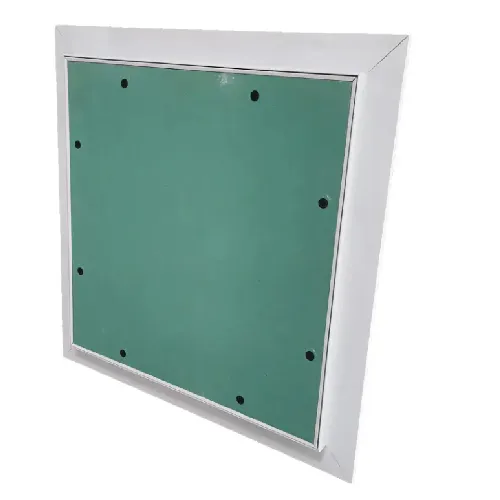
Simply put, a fire rated ceiling access panel is an engineered door built into ceilings that allows authorized access to hidden ceilings cavities, but importantly, it resists fire for a specified duration—commonly 1 to 3 hours. Unlike standard access panels, these are designed with special fireproof materials and seals to maintain the integrity of fire barriers within a ceiling assembly.
Beyond just being a practical hatch, they embody a safeguard against fire and smoke spreading between different building compartments. This product class aligns with modern buildings' dual imperatives: safety and functionality.
Key Features of Fire Rated Ceiling Access Panels
Durability and Fire Resistance
The panel’s core function is to resist fire. Typically constructed from galvanized steel or aluminum combined with fire-resistant cores such as mineral wool, it undergoes rigorous testing per standards like UL 555 or BS EN 1634. This ensures the panel can hold back flames and heat for the declared rating time.
Secure and Easy Access
Accessibility isn’t just about convenience—it’s about lifesaving speed in emergencies or efficient routine inspections. Many panels use tamper-resistant locks or pinch latches while still allowing quick opening without special tools. This balance prevents unwanted intrusion while facilitating timely access.
Seal and Smoke Integrity
Besides fire, smoke is an insidious threat in fires. Modern fire rated ceiling access panels often incorporate intumescent seals that expand when heated, blocking smoke and toxic gases. This ensures the ceiling barrier performs holistically, trapping both flames and invisible hazards.
Customization and Aesthetic Integration
Architects often want these panels to blend seamlessly with ceiling designs. Fire rated panels come in customizable sizes and finishes, allowing paint or coating applications that match interior aesthetics without compromising safety.
Cost Efficiency and Compliance
While often more expensive than non-fire-rated alternatives, investing in a fire rated ceiling access panel can reduce long-term regulatory issues and insurance costs. Their presence often aligns buildings with insurance requirements and building codes, offsetting initial expenses.
Mini takeaway: The panel isn’t just a door — it’s a junction of engineering precision and safety strategy, shaped by regulatory rigor and practical need.
How Fire Rated Ceiling Access Panels Are Used Worldwide
Fire rated ceiling access panels have wide-ranging applications across industries demanding fire compartmentation and easy maintenance. For instance, hospitals rely heavily on them to maintain critical HVAC and medical gas lines without jeopardizing fire safety zones.
In industrial plants handling flammable materials, these panels prevent fire from spreading through ceiling voids while granting technicians the ability to monitor complex machinery beneath. Oddly enough, even in high-rise residential buildings, these panels have become standard for meeting stricter fire codes after recent urban fires underscored concealed fire risks.
Geographically, fire rated panels see growing uptake in Europe and North America, where fire codes like the International Building Code (IBC) have incorporated them in recommended building practices. Meanwhile, emerging economies racing to meet global safety benchmarks are also integrating these products, sometimes with local adjustment for climate and construction styles.
Advantages & Long-Term Benefits of Installing Fire Rated Ceiling Access Panels
- Safety and Peace of Mind: They enhance life safety by effectively slowing fire and smoke movement.
- Regulatory Compliance: Meeting local and international fire codes seamlessly.
- Easy Maintenance Access: No need to remove large parts of ceiling—servicing is simpler, less disruptive.
- Cost Savings: Reduced risk of fire damage and potential insurance benefits.
- Environmental & Social Impact: Durable design means fewer replacements, contributing to sustainability.
Combining innovation with safety, these panels foster trust among occupants and facility managers alike. The emotional reassurance implicit in a building designed to contain fire is often underestimated.
Product Specification Table
| Specification | Typical Fire Rated Panel |
|---|---|
| Material | Galvanized Steel / Aluminum |
| Core | Mineral Wool Insulation |
| Fire Rating | 1 Hour / 2 Hour / 3 Hour |
| Seal Type | Intumescent Smoke Seal |
| Sizes (Standard) | 300x300 mm to 600x600 mm |
| Mounting | Flush Mount / Surface Mount |
Comparing Leading Vendors of Fire Rated Ceiling Access Panels
| Vendor | Fire Rating Options | Custom Sizes | Price Range | Notable Features |
|---|---|---|---|---|
| SafeCeil Technologies | 1-3 Hours | Yes | $$$ | Advanced intumescent seals, modular frames |
| FireGuard Panels Inc. | 1-2 Hours | Limited | $$ | Cost-effective, quick delivery |
| Xingyuan Ceilings (website) | Up to 3 Hours | Full Custom | $$$ | High customization, fire & smoke tested, global shipping |
Emerging Trends and Innovations in Fire Rated Ceiling Access Panels
The next few years will see these panels dive deeper into sustainability and smart technology. For instance, combining intumescent coatings with eco-friendly cores reduces environmental footprints without losing fire resistance. Integration with IoT sensors might soon alert facility managers if a panel has been opened unexpectedly or compromised, pushing digital transformation into fire safety zones.
There's also curiosity in using lighter yet stronger composite materials to ease installation without reducing protection levels. Frankly, with green building certifications becoming non-negotiable, materials and processes that reduce waste and energy usage will become decisive in vendor selection.
Challenges and Working Solutions
Despite plenty of progress, challenges remain. Size limitations sometimes complicate fitting panels into unconventional ceiling configurations. Also, there’s the recurring trade-off between fire rating and ease of access — stronger locking mechanisms can slow emergency entry.
Industry players and engineers are addressing this by offering modular panels and smart locks that store temporary digital keys, balancing security and speed. Technologies like 3D printing bespoke parts are also enabling custom-sized panels for irregular spaces.
Frequently Asked Questions About Fire Rated Ceiling Access Panels
- What fire rating should I choose for my ceiling access panel?
- Choosing the right fire rating depends on building codes and risk assessments. Most commercial buildings require at least a 1-hour rating, but hospitals and industrial sites may require up to 3 hours. Consulting local fire regulations is essential.
- Can these panels be painted or customized to match my ceiling?
- Yes, most fire rated ceiling access panels can be finished with paint or coatings without affecting their fire resistance, provided compatible paints are used. Custom sizes and frames are also available to suit architectural needs.
- How often should the fire rated access panel be inspected or maintained?
- Regular inspections, typically annually, are recommended to verify seals and hardware integrity. Smoke seals and intumescent materials should be checked for wear, especially after any access or renovation work.
- Is installation complicated or can it be a DIY project?
- Due to the critical safety function, professional installation following manufacturer instructions and fire code guidelines is highly advised. Improper installation can compromise fire rating certification.
Wrapping Up
While often overlooked, a fire rated ceiling access panel acts as a quiet but essential hero in building fire protection strategy. Offering a practical way to reach concealed utilities without sacrificing safety, these panels reflect the ongoing fusion of technical innovation and humane concern for occupant security.
Interested in learning more or sourcing high-quality solutions? Visit fire rated ceiling access panel specialists like Xingyuan Ceilings to explore customizable options built to global standards.
Sources:
- World Health Organization - Fire Prevention
- Wikipedia - Fire Resistance Rating
- ISO Fire Safety Standards
Summary
Understanding the role and features of fire rated ceiling access panels is invaluable for architects, safety professionals, and building owners. They represent the frontline defense in fire compartmentation, preserving lives and assets while accommodating everyday maintenance needs.
After all, it’s reassuring to know that safety can be non-intrusive, elegant, and incredibly effective — all wrapped up in what looks like just a simple ceiling hatch.
-
Benefits and Guide of Mineral Fiber Ceiling Board for InteriorsNewsApr.16,2026
-
Modern Mineral Fiber Ceiling Solutions for Acoustic PerformanceNewsApr.09,2026
-
Mineral Fibre Board Ceiling vs Gypsum Board A Comprehensive Comparison GuideNewsApr.07,2026
-
Comprehensive Guide to Mineral Fiber Ceiling Specification and PerformanceNewsApr.04,2026
-
What Are Mineral Fiber Ceiling Tiles Made Of And Their ApplicationsNewsMar.31,2026
-
Exploring the Benefits of Suspended Mineral Fibre Ceiling Systems for Modern BuildingsNewsMar.28,2026