
Nov . 28, 2025 13:20 Back to list
High-Quality 24x24 Fire Rated Ceiling Access Panels for Safe Buildings
What is a 24x24 Fire Rated Ceiling Access Panel and Why Should You Care?
At first glance, the phrase “24x24 fire rated ceiling access panel” might sound like jargon reserved for architects, contractors, or safety engineers. But in reality, it’s a quietly crucial element that touches building safety, maintenance, and long-term resilience worldwide. These panels serve as gateways in ceilings to access utilities, HVAC systems, or wiring, all while providing a fire resistance barrier—usually rated for 1 to 2 hours—to slow down fire spread.
Why does this matter globally? Simply put: according to data from the ISO and international safety guidelines, fire safety compliance reduces risks to lives and property significantly. In densely populated cities or industrial complexes, having effective fire-rated access panels can mean the difference between minor damage and catastrophic loss. And understanding their specs and applications pays off not just in compliance, but in peace of mind, efficiency, and sometimes, innovation.
The Global Context: Why 24x24 Fire Rated Ceiling Access Panels Are Essential Today
Globally, urbanization and infrastructure expansion mean more buildings with complex mechanical and electrical systems tucked away in ceilings. The United Nations’ Habitat Programme reports over 55% of the world’s population lives in urban areas, heading towards 68% by 2050. This surge in construction demands better fire safety solutions integrated discretely into buildings.
Moreover, many regions contend with strict fire codes—think Europe’s EN standards or the US’s UL certifications—pushing manufacturers toward fire-rated solutions. The challenge? Panels need to withstand heat and flame but also remain easily operable for maintenance without expensive tools or specialized training.
In emergency scenarios or even routine checks, a 24x24 fire rated ceiling access panel is a frontline defender and practical utility access point all rolled into one.
Breaking it Down: What Exactly is a 24x24 Fire Rated Ceiling Access Panel?
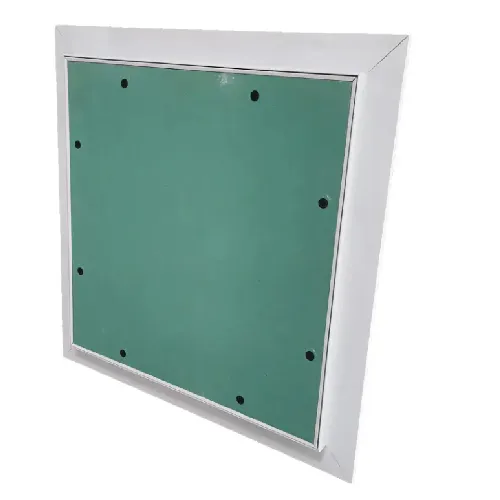
Let’s put it simply: it’s a 24-inch by 24-inch ceiling panel designed to provide access to wiring, ductwork, or other infrastructure hidden above suspended ceilings. What sets it apart is its “fire rated” status—meaning it has been tested and certified to resist fire and smoke for a specified duration (often one hour, sometimes two).
The “fire rated” quality ensures that, in a fire emergency, the panel won’t act as a weak point for flame or toxic gas penetration. Instead, it maintains compartmentalization, allowing occupants more time to evacuate and firefighters to do their job safely.
Far from just a slab of metal or plastic, these panels are engineered assemblages with carefully chosen materials, seals, and locking mechanisms to fulfill dual needs: access convenience and fire protection.
Key Features that Make these Panels Work
1. Durability and Material Composition
Most panels use galvanized steel or aluminum frames and doors with mineral wool or fire-resistant core materials. This isn’t just about toughness. It’s about withstanding temperatures up to 1200°F (roughly 650°C) for a minimum of 60 minutes without deforming.
2. Fire Rating and Certification
This is the heart of the matter. Panels must pass rigorous lab testing per standards like UL 555, ASTM E119, or EN 1364-1. These tests simulate severe fire conditions to prove the panel’s reliability.
3. Accessibility and Ease of Use
Facility managers often say if something’s too hard to open, it won’t get maintained. Smart panels balance secure latching with tool-less or key-access designs for quick inspection.
4. Installation Flexibility
Given the diversity of ceiling types—drop ceilings, drywall ceilings, lay-in tiles—the panels come in adaptable mounts, sizing options, and finishes to blend into aesthetics yet meet technical needs.
5. Maintenance and Reusability
Panels should maintain their fire rating after several open-close cycles and should accommodate retrofitting without costly ceiling modifications. Some designs even include gasket replacements to keep smoke seals tight over years.
Mini takeaway:
Understanding these features helps you appreciate why a simple ceiling panel is more like a safety device, maintenance tool, and design asset all at once.
Where and How are these Fire Rated Panels Used Around the World?
Fire rated ceiling access panels aren’t niche anymore. They show up everywhere infrastructure demands safety and access:
- Hospitals and healthcare facilities: Where emergency preparedness is paramount and access to electrical or medical gas systems must be prompt.
- Commercial high-rises: Especially in fire-prone cities like Tokyo, New York, or Dubai, these panels support regular maintenance without compromising evacuation safety.
- Industrial plants & manufacturing: Areas with potentially hazardous materials need effective fire barriers combined with easy utility access.
- Educational institutions: Campuses and schools often retrofit older ceilings making modular, fire-rated access ideal.
- Disaster relief & temporary shelters: Organizations using modular buildings or quick setups prioritize components that meet fire codes—even in makeshift conditions.
A practical example: In a recent retrofit project for a data center in Germany, engineers opted for 24x24 fire rated ceiling access panel designs that allowed fast installation while meeting stringent EN 1364 standards. The outcome? Minimal downtime and maximized safety margins.
Product Specifications: A Typical 24x24 Fire Rated Ceiling Access Panel
| Feature | Specification |
|---|---|
| Dimensions | 24” x 24” (610mm x 610mm) |
| Material | Galvanized steel frame, steel door, mineral wool core |
| Fire Rating | 60-minute (1-hour) with UL 555 certification |
| Mounting Type | Lay-in, drywall or drywall flange available |
| Opening Mechanism | Tool-less latch with optional keyed lock |
| Finish | White powder coat, custom paint options |
Comparing Leading Vendors for 24x24 Fire Rated Ceiling Access Panels
| Vendor | Fire Rating | Material & Build | Price Range (USD) | Unique Features |
|---|---|---|---|---|
| Xing Yuan Ceilings | 1-hour UL certified | Galvanized steel, mineral wool core | $120 - $160 | Customizable finishes, tool-less operation |
| FireGuard Panels | 90-min fire rating | Aluminum frame with fire-resistant core | $150 - $190 | Lightweight design, corrosion resistant |
| SafeAccess Solutions | 1-hour and 2-hour options | Steel with intumescent seals | $130 - $210 | Advanced sealing for smoke & gas |
Benefits That Go Beyond the Ceiling
Here’s something that sticks with many engineers: a 24x24 fire rated ceiling access panel brings linear benefits that ripple outwards. Yes, it’s a product, but it’s also a promise of safety, access, and long-term savings.
- Cost Efficiency: Avoid expensive repairs during fire incidents and reduce downtime with easy inspections.
- Sustainability: Durable materials mean fewer replacements and less waste.
- Social Impact: Protects building occupants, boosting confidence and social value of infrastructure.
- Reliability: Tested and certified, you know it’ll perform when it counts.
Peering into the Future: Trends & Innovations
Oddly enough, the humble ceiling access panel is also riding the wave of innovation. Smart materials that change color when exposed to heat, integration with fire alarm systems, and even IoT sensors embedded in panels for real-time status updates are emerging.
Green manufacturing methods are ramping up as well — using recycled metals and coatings that reduce environmental impact. This aligns with today’s demands for sustainable building solutions mandated by organizations such as the US Green Building Council.
Common Challenges and How the Industry Addresses Them
Despite the clear benefits, challenges persist. Installation processes can be tricky if ceiling designs vary excessively; sealing reliability over time sometimes diminishes; and cost is a factor for smaller projects.
Innovators suggest modular panel designs to fit multiple ceiling types, improved gasket materials for lasting smoke seals, and flexible pricing models to widen adoption. It feels like a gradual evolution, not a revolution — but effective all the same.
Frequently Asked Questions About 24x24 Fire Rated Ceiling Access Panels
- What determines the fire rating of a ceiling access panel?
- The fire rating depends on testing per standards such as UL 555 or ASTM E119, focusing on materials used, the panel’s ability to maintain structural integrity, and resist smoke or flame for a set time, usually 60 or 90 minutes.
- Can these panels be installed in existing ceilings without major remodel?
- Yes, many designs are retrofit-friendly, allowing insertion into framed ceiling openings with minimal disruption. Some include drywall flange or lay-in mounting options to simplify installation.
- Are 24x24 panels the only size available?
- No, while 24x24 inches is a common standard, manufacturers offer multiple sizes to suit specific access needs. However, 24x24 often balances easy access with manageable ceiling integration.
- How often should these panels be inspected or maintained?
- Manufacturers generally recommend checks during routine building maintenance, often annually. Particular attention should be given to latches, gaskets, and any signs of corrosion or damage.
- Are there eco-friendly 24x24 fire rated ceiling access panel options?
- Yes, some vendors now offer panels using recycled steel and low-VOC powder coating finishes, aligning with green construction certifications.
Conclusion: Why the Right Ceiling Access Panel Matters
In the end, choosing the right 24x24 fire rated ceiling access panel is about more than specs on paper. It's about trusting that a small, often unnoticed building component will perform bravely when faced with fire hazards — all while making maintenance smoother and buildings safer worldwide. If you’re considering upgrading or installing ceiling access solutions, explore options here to find models that marry fire safety with accessibility seamlessly.
There’s a subtle satisfaction in knowing that such a modest panel can safeguard lives, infrastructure, and investment over decades. Sometimes the smallest doors lead to the biggest peace of mind.
References
-
Benefits and Guide of Mineral Fiber Ceiling Board for InteriorsNewsApr.16,2026
-
Modern Mineral Fiber Ceiling Solutions for Acoustic PerformanceNewsApr.09,2026
-
Mineral Fibre Board Ceiling vs Gypsum Board A Comprehensive Comparison GuideNewsApr.07,2026
-
Comprehensive Guide to Mineral Fiber Ceiling Specification and PerformanceNewsApr.04,2026
-
What Are Mineral Fiber Ceiling Tiles Made Of And Their ApplicationsNewsMar.31,2026
-
Exploring the Benefits of Suspended Mineral Fibre Ceiling Systems for Modern BuildingsNewsMar.28,2026