
Nov . 27, 2025 03:40 Back to list
How to Make a Ceiling Access Panel – Essential Guide and Trends
Unlocking the Basics: What Is a Ceiling Access Panel and Why It Matters
At first glance, a ceiling access panel might seem like a trivial detail, tucked away and often forgotten. But in the context of building design, maintenance, or even emergency responses, knowing how to make a ceiling access panel is surprisingly crucial. These panels provide convenient entry points to hidden infrastructure — think electrical wiring, plumbing, or HVAC systems — without tearing down an entire ceiling, saving time, costs, and mess.
Globally, as buildings get smarter and more complex, the demand for efficient ways to access infrastructure behind ceilings grows significantly. According to the International Organization for Standardization (ISO), well-designed access panels help improve building safety, reduce downtime during maintenance, and even support sustainability through durability and reusability.
Plus, when disaster strikes or industrial zones need quick inspections, knowing how to create sturdy access points is an unsung hero of operational resilience.
The Global Canvas: Why Knowing How to Make a Ceiling Access Panel Has Widespread Value
The World Bank estimates that worldwide construction activity grows steadily — meaning hundreds of millions of buildings will soon rely on smart infrastructure access. But the reality? Many built environments still struggle with inefficient or unsafe access points behind ceilings, leading to increased repair costs and, let's be honest, frustration for maintenance crews.
Having a reliable manual or skill set about how to make ceiling access panels is a practical game-changer in commercial, residential, and industrial sectors alike. In especially high-density urban areas or remote locations, well-thought-out access panels reduce downtime, minimize disruption, and in emergency scenarios, can even save lives by allowing quick access to critical systems.
What Exactly Is a Ceiling Access Panel?
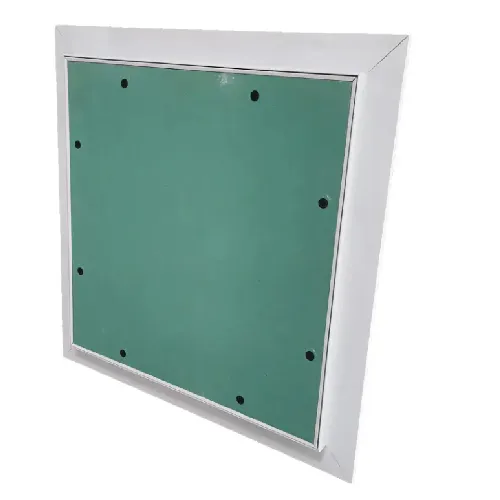
Simply put, a ceiling access panel is a purpose-built removable door or hatch, integrated seamlessly into a ceiling, granting entry to the hidden spaces above. It’s kind of like the “secret door” in architecture, but with a practical and safety-driven twist.
In industries ranging from construction to humanitarian relief, they provide essential points for inspection or repair without the messy business of demolition. Usually flush with the ceiling surface, these panels can be constructed from metal, gypsum, plastic composites, or other materials — but their common goal is fast, reliable access without sacrificing aesthetics or safety.
What Makes a Good Ceiling Access Panel? The Key Factors
1. Durability
The panel needs to endure repeated opening and closing, resist moisture or dust, and sometimes carry a certain weight if it's in a high-traffic environment above.
2. Fire Resistance
In many commercial or industrial buildings, ceiling access panels must comply with fire-safety codes. Fire-resistant materials or coatings are critical to prevent fire spread through ceiling gaps.
3. Size and Scalability
Panels come in various dimensions — from small hand-sized hatches for inspection to large doors for equipment removal. Understanding the practical needs helps decide panel scale.
4. Ease of Installation
It’s not just about the panel itself but how easily it integrates into existing ceiling frameworks — modular designs or custom-cut options make life easier for installers.
5. Aesthetic Integration
Since access panels sit in plain sight most of the time, blending with the ceiling’s texture and color without being an eyesore matters, particularly in interior design-sensitive spaces.
6. Security Features
Lockable or tamper-resistant panels are essential in sensitive buildings — data centers, labs, or hospitals — where unauthorized access could have serious consequences.
Mini Takeaway: Crafting the perfect ceiling access panel isn’t just about slapping on a door — it requires a balance of toughness, safety, visual harmony, and practical size.
Real World Examples: Where Ceiling Access Panels Make a Difference Globally
It’s fascinating to see the versatility of ceiling access panels when you examine different industries and regions.
- Healthcare Facilities: In hospitals worldwide, access panels enable quick inspections of medical gas piping without disrupting sterile environments.
- Commercial Buildings: Retail and office complexes in urban centers from New York to Tokyo rely on access panels for routine HVAC maintenance which keeps operations smooth.
- Emergency & Disaster Zones: Relief agencies use modular ceiling panels in temporary shelters to allow wiring inspections, essential for safety and communication setups.
- Industrial Plants: Remote mining operations in Australia or South America implement heavy-duty access panels for equipment monitoring and repairs.
Oddly enough, even modest residential builds in Europe are increasingly adopting ceiling panels for accessing smart-home wiring and network cabling — futureproofing as tech becomes standard.
Specification Table: Typical Ceiling Access Panel Features
| Feature | Typical Value/Option |
|---|---|
| Common Materials | Aluminum, Galvanized Steel, Gypsum, PVC Composite |
| Standard Sizes | 12"x12", 18"x18", 24"x24" (custom sizes often available) |
| Fire Rating | 1 Hour (typical), up to 3 Hours for special models |
| Finish Options | Powder Coated, Painted, Primered, Textured |
| Hinged or Removable | Both Available |
| Locking Mechanism | Optional Key Lock or Push-Button Latch |
Comparing Popular Ceiling Access Panel Vendors
| Vendor | Product Range | Price Range (USD) | Customization | Lead Time |
|---|---|---|---|---|
| Acme Panels Inc. | Standard & Fire-Rated Panels | $30 - $150 | Available on order | 2-3 weeks |
| ClearView Access | Plastic Composite Panels, Custom sizes | $40 - $120 | Highly customizable | 1-2 weeks |
| SteelPro Systems | Heavy Duty Steel, Fire & Security Locks | $70 - $200 | Limited customization | 3-4 weeks |
Long-Term Benefits: Why It’s Worth Knowing How to Make a Ceiling Access Panel
When you break it down, the advantages aren’t just about the physical panel — they’re about empowerment. Knowing how to make ceiling access panels means reducing costly property damage, ensuring faster repairs, and supporting environments that require safety first. Emotionally, it creates peace of mind for building managers and occupants alike.
Sustainability-wise, quality access panels can last decades, avoiding waste from rebuilds or frequent replacements. And beyond cost savings, they foster trust between building owners and contractors — nobody likes surprise tears in the ceiling.
Emerging Trends to Watch Out For
The ceiling panel world might not headline innovation like smartphones, but quietly, advancements are underway. Manufacturers are incorporating lightweight but super-strong composite materials, enhancing fire resistance with nano-coatings, and embracing digital tech — like RFID tags that report door open status for smart facilities management.
The green movement is also influencing panel design — using recyclable materials and low-impact manufacturing. In addition, automation in installation is shaving lead times from weeks to just days.
Current Challenges and How Experts Suggest Moving Forward
The main hurdles? Balancing durability with cost and ease of installation. Often cheaper panels don’t stand up to heavy use or fire codes. Some designs are fiddly to fit in complex ceiling grids. Experts suggest modular, snap-fit panels that require minimal tools, coupled with pre-measured sizing kits.
Moreover, training installers on panel standards and encouraging manufacturers to align with international codes (like those from IBC) can bridge quality gaps.
FAQ: Your Top Questions About How to Make a Ceiling Access Panel
Q1: What tools do I need to make a ceiling access panel?
Generally, you’ll need a saw (like a drywall or jigsaw), measuring tape, screwdrivers or drills, and appropriate mounting hardware. Materials depend on design—metal panels may require rivets and metal shears, while gypsum-based panels need drywall screws. Precision in measurement is key!
Q2: How do I ensure the access panel blends seamlessly with my ceiling?
Choose panels with customizable finishes or that accept paint. Applying joint compound and sanding can disguise edges, especially with gypsum boards. For textured ceilings, some manufacturers offer panels with matching textures or surface treatments.
Q3: Are fire-rated ceiling access panels mandatory?
In commercial and multi-family buildings, yes—fire codes often require rated panels in certain ceiling assemblies to prevent fire spread. Check local regulations. For residential, it may be optional but recommended for safety.
Q4: Can I install an access panel myself, or should I hire a professional?
Basic panels can be DIY-friendly with proper measurement and tools. However, if working near electrical, plumbing, or fire-rated assemblies, consulting a professional is advisable to maintain safety standards and warranties.
Q5: How does ceiling access panel design impact energy efficiency?
Well-sealed panels prevent air leaks that waste heating or cooling. Look for gasketed or insulated panels to improve building envelope tightness. Poorly sealed panels can reduce HVAC efficiency.
Wrapping It Up: Why Mastering How to Make a Ceiling Access Panel Pays Off
Bottom line: Whether you are an architect, builder, or maintenance pro, understanding how to make a ceiling access panel gives you a practical advantage — saving time, money, and headaches. Plus, it supports safety and sustainability in the increasingly complex built environment.
Ready to explore customizable, durable options? Visit our website to learn more about modern solutions and specialized panels designed to fit your needs: how to make a ceiling access panel.
References:
-
Benefits and Guide of Mineral Fiber Ceiling Board for InteriorsNewsApr.16,2026
-
Modern Mineral Fiber Ceiling Solutions for Acoustic PerformanceNewsApr.09,2026
-
Mineral Fibre Board Ceiling vs Gypsum Board A Comprehensive Comparison GuideNewsApr.07,2026
-
Comprehensive Guide to Mineral Fiber Ceiling Specification and PerformanceNewsApr.04,2026
-
What Are Mineral Fiber Ceiling Tiles Made Of And Their ApplicationsNewsMar.31,2026
-
Exploring the Benefits of Suspended Mineral Fibre Ceiling Systems for Modern BuildingsNewsMar.28,2026