
Dec . 02, 2025 11:35 Back to list
HVAC Access Panel Ceiling: Essential for Efficient Building Maintenance and Sustainability
Understanding HVAC Access Panel Ceiling: Essential for Modern Building Efficiency
If you’ve ever peeked behind the ceiling tile in a commercial building or hospital, chances are you’ve seen an HVAC access panel ceiling. It’s one of those unnoticed but absolutely crucial components that make building maintenance manageable and efficient. Globally, as buildings become smarter, more energy efficient, and regulated by stricter codes, the role of these access panels grows—even if it feels a bit mundane.
Why does this matter worldwide? Well, HVAC systems can account for nearly 40% of a building’s energy consumption (Wikipedia HVAC article). Efficient maintenance access means less downtime, improved air quality, and ultimately, more sustainable buildings. Understanding how a good HVAC access panel ceiling functions and serves is key for facility managers, engineers, architects—heck, even tenants who care about indoor air quality.
Global Significance: Cool, Controlled, Clean
According to the International Energy Agency (IEA), by 2050, buildings will need to reduce CO2 emissions drastically to meet global climate targets. Efficient HVAC systems paired with smart maintenance solutions—including access panels—play a vital role here. It’s not just about access for repair; it's about ongoing energy optimization and safety compliance in industrial, commercial, and even residential environments worldwide.
Here’s the catch: access panels often get overlooked until there’s a problem. Then, access restrictions can cause delays and increased costs. So, the right design and installation aren’t just practical; they’re financially strategic.
What Exactly Is an HVAC Access Panel Ceiling?
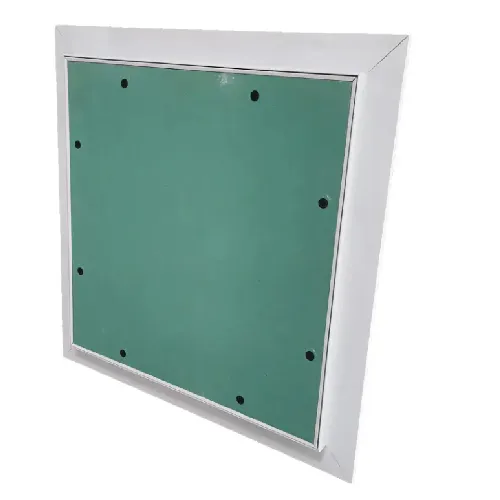
An HVAC access panel ceiling is basically a removable, often flush-mounted opening within ceiling surfaces specifically designed to provide entry to HVAC system components—think ductwork, valves, or controls. Covered seamlessly by a panel, these openings allow technicians to inspect, maintain, or repair without major demolition or disruption.
This ties directly into modern construction's priorities: ease of maintenance, aesthetic integration, safety, and regulatory compliance. In disaster relief contexts or rapidly constructed industrial zones, simple, reliable access panels can make the difference between swift fixes or costly setbacks.
Core Components That Matter
Durability
Access panels endure frequent opening and closing — materials like galvanized steel, aluminum, or reinforced composites help prevent wear and tear, corrosion, and damage from humidity or temperature changes.
Size & Scalability
Depending on HVAC system complexity, panel sizes vary widely. A small room unit may only need a 12”x12” panel, while a large industrial setup demands bigger or multiple interconnected panels.
Ease of Installation & Maintenance
Installation shouldn't require structural alterations; standardized panels speed up deployment, cut labor costs, and minimize downtime during inspections.
Security & Safety
Lockable or tamper-resistant panels protect sensitive HVAC controls, ensuring only authorized personnel can access vital systems.
Cost Efficiency
While aesthetic considerations matter for office or retail ceilings, cost efficiency often drives choices in warehouses or service buildings. Balancing price with functional reliability is key.
Product Specifications Example
| Specification | HVAC Panel Model X200 |
|---|---|
| Material | Powder-coated galvanized steel |
| Standard Sizes | 12"x12", 18"x18", 24"x24" |
| Weight | 1.5 - 3 kg depending on size |
| Installation Type | Flush mounted with hidden hinges |
| Security Feature | Optional lock mechanism |
Mini takeaway: When selecting an HVAC access panel ceiling, focus on practical factors like size, material, and ease of installation aligned with your facility’s needs.
Global Use Cases & Applications
Across the globe, HVAC access panel ceilings are a staple from towering urban skyscrapers to makeshift hospital wards in remote regions. For example:
- Post-disaster relief: Temporary medical units often use hvac access panel ceiling solutions that allow quick HVAC maintenance in unpredictable environments.
- Industrial zones in Europe and Asia: Precision climate control demands rapid system updates, so built-in access panels are a non-negotiable.
- Commercial real estate in the US: Tenant satisfaction often hinges on indoor air quality; panels facilitate routine HVAC care without disturbing office operations.
In each scenario, access panels save precious time, reduce labor costs, and ensure safety compliance under varying local regulations.
Advantages & Long-Term Value
It might seem trivial, but a robust access panel ceiling delivers real, measurable advantages:
- Cost Savings: Reduced labor time and less disruptive repairs lower operating expenses.
- Sustainability: Easier maintenance supports longer HVAC system life cycles, contributing to reduced waste and energy use.
- Safety: Secure panels protect critical components from accidental damage or unauthorized access, which can be a risk both for compliance and liability.
- Comfort & Trust: Reliable HVAC systems create healthier, more pleasant indoor atmospheres, building trust for facility managers and tenants alike.
Vendor Comparison Table for HVAC Access Panels
| Feature | Xingyuan Ceilings | HVAC Solutions Inc. | Global Air Panels |
|---|---|---|---|
| Materials Offered | Galvanized steel, aluminum, fire-rated options | Steel and composite | Aluminum only |
| Customization | Wide range, sizes & finishes | Limited sizes | Standard sizes only |
| Security Lock Option | Yes | No | No |
| Pricing | Mid-range | Higher-end | Economical |
Future Innovations in HVAC Access Panel Ceiling
It’s not just about steel frames anymore. Manufacturers are pushing the envelope with:
- Smart panels: Integrated sensors that detect humidity, temperature changes, or unauthorized openings, connected to building management systems (BMS).
- Eco-friendly materials: Biodegradable composites or recycled metals reduce environmental footprint.
- Modular designs: Adaptable panels that snap into place for faster upgrades or system retrofits.
- Enhanced fire resistance: Meeting or exceeding updated ISO standards for fire safety.
The rising emphasis on energy efficiency, sustainability, and building automation means HVAC access panel ceiling technology will continue advancing.
Common Challenges and Practical Solutions
Not everything’s perfect, of course. Some buildings struggle with:
- Improperly sized panels: Leading to difficult access or unnecessary ceiling damage.
- Weak materials: Panels warping or corroding, especially in humid climates.
- Poor integration: Panels that disrupt aesthetics or leak air, hurting system efficiency.
Expert installers recommend pre-commissioning audits, use of corrosion-resistant coatings, and consulting with manufacturers on customization early in project design—points that save headaches later.
FAQ: Frequently Asked Questions About HVAC Access Panel Ceiling
- What size access panel should I select for my commercial HVAC system?
- The size depends on the HVAC components you need to access. Typically, panels range from 12"x12" to 24"x24" for ductwork and control valves. It is best to coordinate with your HVAC engineer to ensure comfortable maintenance space.
- Are access panels compliant with fire safety codes?
- Many manufacturers produce fire-rated access panels that meet local building codes, including ASTM and ISO fire standards. Confirm specifications before purchase, especially in commercial buildings.
- How do I maintain an HVAC access panel ceiling?
- Regular cleaning to prevent dust buildup and inspecting for corrosion or loosening of fasteners keeps panels functional. Ideally, scheduled maintenance aligns with HVAC service visits.
- Can HVAC access panels reduce energy loss?
- Yes. Quality panels with proper sealing reduce air leakage, a major cause of HVAC inefficiency. Look for panels with gaskets and tight-fitting designs.
Conclusion
In real terms, an hvac access panel ceiling is more than just an opening — it’s a strategic part of building management that supports efficiency, safety, sustainability, and cost control. Whether outfitting a new construction or retrofitting an existing space, prioritizing the right access panel is a smart, long-term investment.
Want to learn more or explore options? Visit https://www.xingyuanceilings.com for detailed guides and product selections tailored to your building needs.
Oddly enough, sometimes the smallest panels hold the biggest impact on comfort and efficiency...
References
-
Benefits and Guide of Mineral Fiber Ceiling Board for InteriorsNewsApr.16,2026
-
Modern Mineral Fiber Ceiling Solutions for Acoustic PerformanceNewsApr.09,2026
-
Mineral Fibre Board Ceiling vs Gypsum Board A Comprehensive Comparison GuideNewsApr.07,2026
-
Comprehensive Guide to Mineral Fiber Ceiling Specification and PerformanceNewsApr.04,2026
-
What Are Mineral Fiber Ceiling Tiles Made Of And Their ApplicationsNewsMar.31,2026
-
Exploring the Benefits of Suspended Mineral Fibre Ceiling Systems for Modern BuildingsNewsMar.28,2026