
Dec . 13, 2025 03:55 Back to list
Installing Acoustical Ceiling Grid – Expert Tips & Reliable Choices
Installing an Acoustical Ceiling Grid: Tips from the Field
Working in industrial environments for over two decades, I’ve come across my fair share of ceiling installations — and the acoustical ceiling grid is one of those unsung heroes of interior design and practical function. At first glance, installing an acoustical ceiling grid might seem straightforward, but there’s quite a bit beneath the surface that can make or break the job.
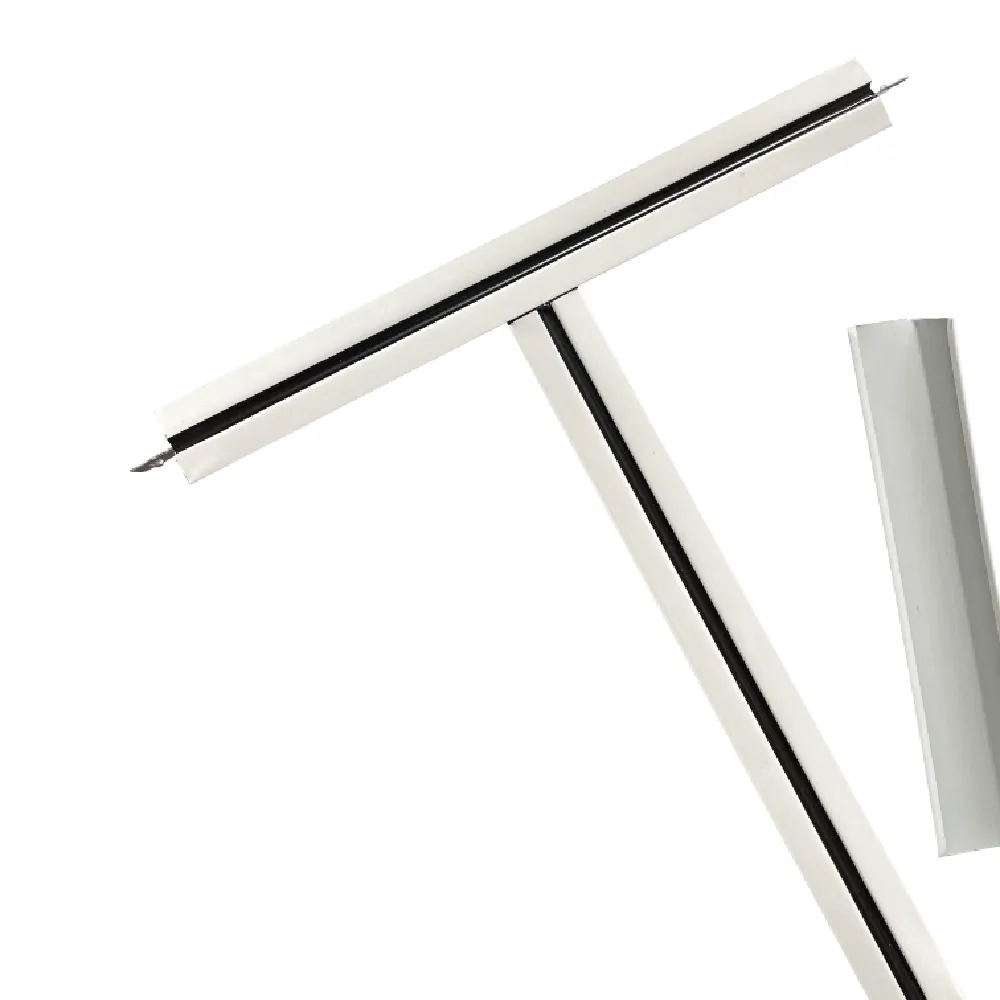
Oddly enough, the first impression many folks get is that a grid is just a metal framework to hold tiles. But really, it’s a precision system that needs careful layout, solid materials, and a steady hand. The acoustical ceiling grid does much more than hold panels; it controls sound, hides utilities, and even helps with fire safety.
What You Need to Know About Acoustical Ceiling Grid Materials
Most grids you’ll encounter are made from lightweight steel or aluminum, finished in white or other neutral tones. Steel offers sturdiness, which I’ve always appreciated when working in high-traffic industrial spaces. Aluminum, on the other hand, can be great when you need corrosion resistance — useful in humid or chemical environments.
Many engineers I’ve talked to say that the choice boils down to balancing strength, weight, and cost, with local building codes throwing a wrench into the equation sometimes. That’s why knowing your environment inside and out before ordering materials pays off. Frankly, trying to change specs mid-installation is a headache you really don’t want.
Installation Basics: From Layout to Lock-In
Speaking from experience, the first step is always the ceiling layout — because once you start attaching main runners and cross tees, your ceiling plan has to be spot on. Measuring is obvious but can’t be stressed enough. I’ve seen installers waste hours because the main runners weren’t parallel or square, which affects everything else downstream.
Hanging the grid correctly requires reliable suspension wires or hanger straps — they’re the unsung strength providers. You’ll also want to ensure your main tees and cross tees snap firmly into place. It feels kind of satisfying, honestly, like clicking together a perfectly engineered puzzle.
As you go along, keep an eye out for any warping or damage. I once caught a batch of warped tees just in time before installation — saved the client both money and frustration. That said, quality control during unpacking can’t be an afterthought.
Advantages and Why You’d Choose a Suspended Acoustical Ceiling Grid
On the big-picture front, acoustical ceiling grids are about so much more than aesthetics. They’ve got a role in noise absorption — a big deal in factories, warehouses, or office spaces where managing sound reflection matters. Plus, the ceiling cavity is a perfect place to tuck away HVAC, wiring, or piping without sacrificing ceiling height or visual appeal.
Customization has come a long way, too. You can now specify grid designs with integrated lighting channels or special finishes, which is handy for specialized industrial setups. The product variety out there can be dizzying, but that’s also great because one size rarely fits all.
| Feature | Specification | Notes |
|---|---|---|
| Material | Galvanized Steel / Aluminum | Depends on moisture resistance requirements |
| Finish | White Powder-Coated / Mill | Aesthetic and corrosion protection |
| Grid Size Options | 15/16", 9/16" | Standard industry sizes |
| Load Rating | Up to 10 lbs per sq ft | Supports ceiling tiles and light fixtures |
| Fire Resistance | Class A Re-rated options | Varies by manufacturer |
Vendor Comparison: Picking the Right Supplier
You know, sourcing ceiling grids can feel like navigating a maze. Here’s an inline snapshot comparing three typical vendors based on reliability, product range, price, and custom services:
| Vendor | Reliability | Product Range | Price | Custom Options |
|---|---|---|---|---|
| Xingyuan Ceilings | High | Wide (Standard & Custom) | Competitive | Excellent |
| Vendor B | Medium | Standard Only | Low | Limited |
| Vendor C | High | Standard & Premium | High | Good |
I recall a recent project where the team chose a supplier who could deliver grid systems tailored for a humid chemical processing facility — options like aluminum grids helped them avoid ongoing rust headaches. It’s always the little details that save you down the line.
All in all, installing an acoustical ceiling grid feels like crafting a foundation for comfort and function above the head — sometimes overlooked, but absolutely critical.
So, next time you're on site, take a moment to appreciate the precision and planning that go into that ceiling grid. It’s quite the silent workhorse.
- National Fire Protection Association, NFPA 5000 – Building Construction and Safety Standards
- Architectural Testing Reports on Acoustical Ceiling Systems
- Industry Interviews with Project Engineers, 2023
-
Benefits and Guide of Mineral Fiber Ceiling Board for InteriorsNewsApr.16,2026
-
Modern Mineral Fiber Ceiling Solutions for Acoustic PerformanceNewsApr.09,2026
-
Mineral Fibre Board Ceiling vs Gypsum Board A Comprehensive Comparison GuideNewsApr.07,2026
-
Comprehensive Guide to Mineral Fiber Ceiling Specification and PerformanceNewsApr.04,2026
-
What Are Mineral Fiber Ceiling Tiles Made Of And Their ApplicationsNewsMar.31,2026
-
Exploring the Benefits of Suspended Mineral Fibre Ceiling Systems for Modern BuildingsNewsMar.28,2026