
Sep . 19, 2025 18:00 Back to list
Mineral Fiber Board: Acoustic & Fire-Rated Ceiling Tiles
The Strategic Imperative of mineral fiber board in Modern Construction
In contemporary architectural and interior design, the selection of building materials is paramount, dictating not only aesthetic appeal but also crucial performance metrics. Among these, mineral fiber board stands out as a foundational component for advanced ceiling systems, widely recognized for its multifaceted benefits. This material, often manufactured into mineral fiber ceiling tiles, plays a pivotal role in optimizing indoor environments across diverse commercial and industrial settings.
The industry landscape for mineral fiber board is currently characterized by a robust drive towards enhanced sustainability, superior acoustic management, and stringent fire safety compliance. As urban development accelerates and building codes evolve, the demand for materials that offer a harmonious blend of performance, durability, and environmental responsibility continues to surge. Professionals in construction, architecture, and facility management are increasingly specifying mineral fiber false ceiling tiles to meet these complex requirements, recognizing their inherent advantages in creating productive, safe, and comfortable spaces. This technical overview delves into the manufacturing precision, performance attributes, and strategic applications that define modern mineral fiber board solutions.
Precision Manufacturing: The Core of Quality Mineral Fiber Board
The production of high-quality mineral fiber board involves a meticulously controlled manufacturing process, ensuring consistency in performance and finish. This process begins with the careful selection and preparation of raw materials, primarily mineral wool (often basalt or slag wool), which provides the core structural and performance properties.
Manufacturing Process Flow:
- Raw Material Preparation: High-grade mineral wool fibers are sourced and refined. These fibers are chosen for their excellent thermal, acoustic, and fire-resistant characteristics. Binders (typically starch or latex-based), fillers (e.g., perlite, clay for density and texture), and processing aids are prepared for optimal mixture consistency.
- Slurry Mixing: The mineral fibers, binders, and fillers are precisely measured and mixed with water to form a homogeneous slurry. This step is critical for achieving uniform density and consistent product attributes.
- Forming (Wet-Felting Method): The slurry is then fed onto a specialized forming wire or screen, where excess water is removed through suction, allowing the fibers to interlock and form a continuous wet mat. This wet-felting technique ensures a consistent thickness and structural integrity.
- Drying and Curing: The wet mat passes through multi-zone industrial ovens where it is subjected to carefully controlled temperatures and humidity levels. This drying and curing process removes moisture and activates the binders, solidifying the mineral fiber board structure. This phase is crucial for dimensional stability and strength.
- Cutting and Edge Finishing: Once cured, the continuous board is cut to precise dimensions (e.g., 600x600mm, 600x1200mm) using advanced cutting machinery. Various edge profiles (e.g., square, tegular, beveled) are then applied to facilitate different grid suspension systems for mineral fibre suspended ceiling tiles.
- Surface Treatment and Lamination (Optional): Depending on the desired aesthetic and performance, the tiles may undergo surface treatments such as painting, texturing, or lamination with specialized facings (e.g., vinyl for enhanced cleanability, acoustic fabric for superior sound absorption).
- Quality Control and Packaging: Each batch undergoes rigorous testing to ensure compliance with international standards such as ASTM E1264 for acoustic performance, ASTM E84 for flame spread and smoke development, and ISO 9001 for manufacturing quality management. Products are then carefully packaged for transport.
The target industries for these advanced ceiling solutions are broad, including commercial offices, educational institutions, healthcare facilities, retail environments, and light industrial applications. The inherent advantages, such as superior acoustic performance for enhanced concentration, excellent fire resistance for occupant safety, and thermal insulation for energy saving, make mineral fiber board an indispensable choice in modern building design.
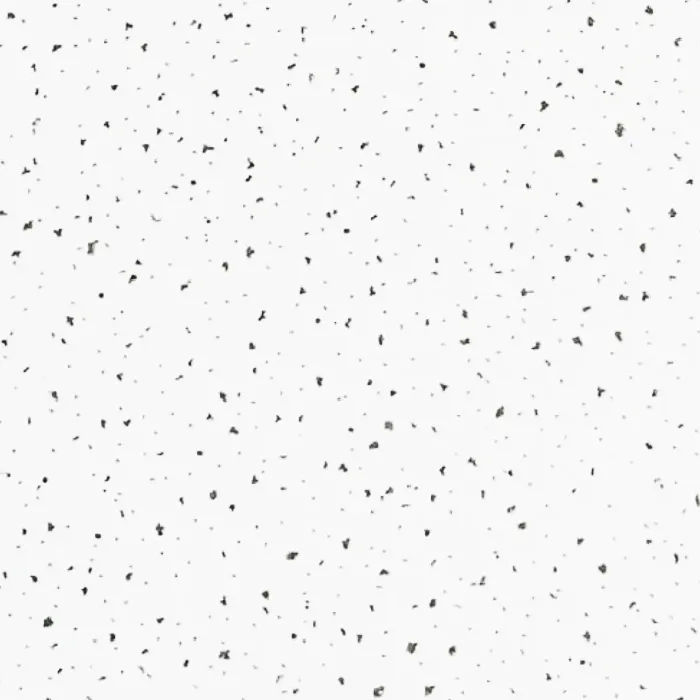
Fig 1: Illustrative view of a mineral fiber board manufacturing stage.
Technical Specifications & Performance Advantages of Mineral Fiber Board
Understanding the technical specifications of mineral fiber board is critical for architects, engineers, and specifiers. These parameters directly correlate with the functional performance and suitability for various application environments.
Key Technical Advantages:
- Superior Acoustic Performance: Achieves high Noise Reduction Coefficient (NRC) values, typically ranging from 0.50 to 0.90, effectively absorbing sound and reducing reverberation. The Ceiling Attenuation Class (CAC) ratings, often 35+, restrict sound transmission between adjacent spaces, critical for privacy and concentration.
- Exceptional Fire Resistance: Composed of non-combustible mineral fibers, mineral fiber board typically boasts Class A fire ratings (ASTM E84) for flame spread and smoke development, offering crucial passive fire protection and extended evacuation times.
- Thermal Insulation Properties: The fibrous structure provides inherent thermal resistance, contributing to building energy efficiency by reducing heat transfer through the ceiling plenum, resulting in potential energy saving benefits.
- Humidity Resistance & Sag Performance: Advanced formulations enhance resistance to humidity-induced sag, maintaining aesthetic integrity and structural stability even in environments with elevated moisture levels. Products are often rated for 90% RH.
- Light Reflectance: High light reflectance values (typically 0.80-0.90) help maximize daylight penetration and reduce the need for artificial lighting, contributing to energy efficiency and improved visual comfort.
- Durability & Longevity: Engineered for robustness, these tiles offer extended service life, minimizing maintenance and replacement costs.
Typical Product Specification Table: High quality Mineral Fiber Ceiling Tiles
| Parameter | Specification | Standard (Example) |
|---|---|---|
| Dimensions | 600x600 mm, 600x1200 mm (other sizes available) | EN 13964 |
| Thickness | 12mm, 15mm, 18mm, 20mm | EN 13964 |
| Noise Reduction Coefficient (NRC) | 0.50 - 0.70 (Standard), 0.75 - 0.90 (High Performance) | ASTM C423 |
| Ceiling Attenuation Class (CAC) | 35 - 39 (Standard), 40+ (High Performance) | ASTM E1414 |
| Fire Performance (Flame Spread/Smoke Developed) | Class A (Flame Spread: ≤25, Smoke Developed: ≤50) | ASTM E84 |
| Light Reflectance (LR) | ≥ 0.85 | ASTM E1477 |
| Humidity Resistance (% RH) | ≤ 90% relative humidity | ASTM C1396 |
| Density | 230 - 320 kg/m³ | EN 13964 |
| Thermal Conductivity (λ) | 0.052 - 0.057 W/(m·K) | ASTM C518 |
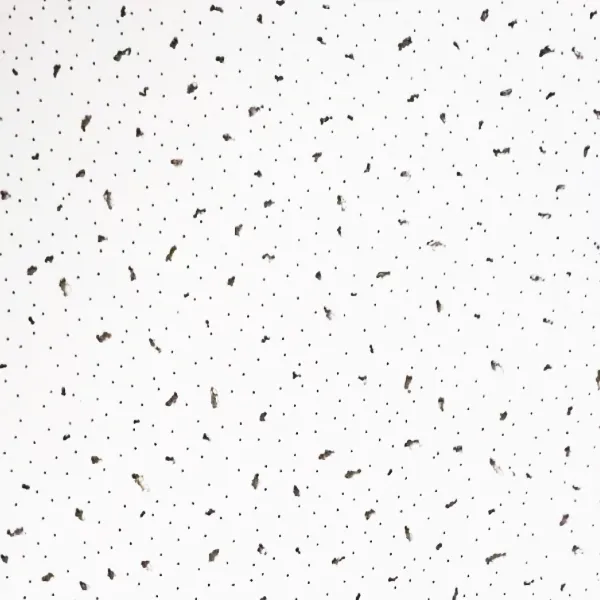
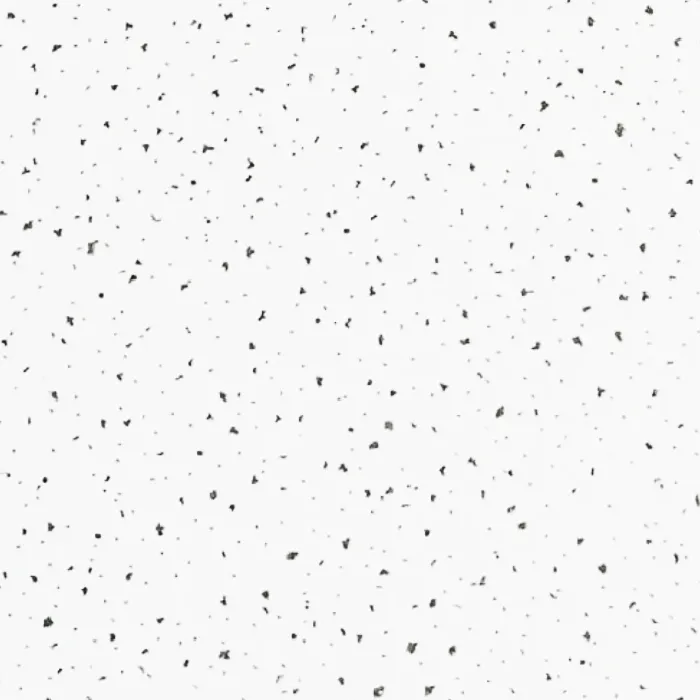
Fig 2: A variety of mineral fiber ceiling tiles showcasing different textures.
Versatile Application Scenarios for Mineral Fiber Board
The adaptability and comprehensive performance characteristics of mineral fiber board make it an ideal choice for a broad spectrum of commercial, institutional, and industrial environments. Its functional benefits directly address specific challenges within these sectors.
Key Application Environments:
- Commercial Offices & Corporate Campuses: Critical for creating acoustically comfortable workspaces, reducing noise distractions, and promoting productivity. High light reflectance also contributes to a brighter, more inviting environment, potentially reducing energy consumption for lighting.
- Educational Institutions (Schools, Universities): Enhances learning environments by controlling classroom acoustics, ensuring clear communication between teachers and students. Fire resistance is paramount for student safety.
- Healthcare Facilities (Hospitals, Clinics): Selected for sound attenuation in patient rooms and waiting areas, contributing to a healing environment. Products with enhanced cleanability and fungal resistance are often specified to meet strict hygiene requirements.
- Retail Spaces & Shopping Malls: Provides a visually appealing ceiling while managing acoustics in busy, open-plan areas, improving the shopping experience. High durability withstands frequent public access.
- Hospitality (Hotels, Restaurants): Contributes to elegant interiors with various textures and finishes, while providing essential acoustic comfort in dining areas, lobbies, and guest rooms.
- Industrial & Manufacturing Facilities: Offers robust, fire-resistant solutions for non-process areas, break rooms, and administrative offices, providing a durable and maintainable ceiling system.
For instance, in a bustling open-plan office, mineral fiber false ceiling tiles with a high NRC can significantly reduce ambient noise, mitigating distractions and fostering a more focused atmosphere. In a hospital corridor, tiles with high CAC ratings prevent sound from traveling between rooms, safeguarding patient privacy and promoting tranquility. The inherent fire resistance offers peace of mind in any public or commercial building, a non-negotiable safety feature.
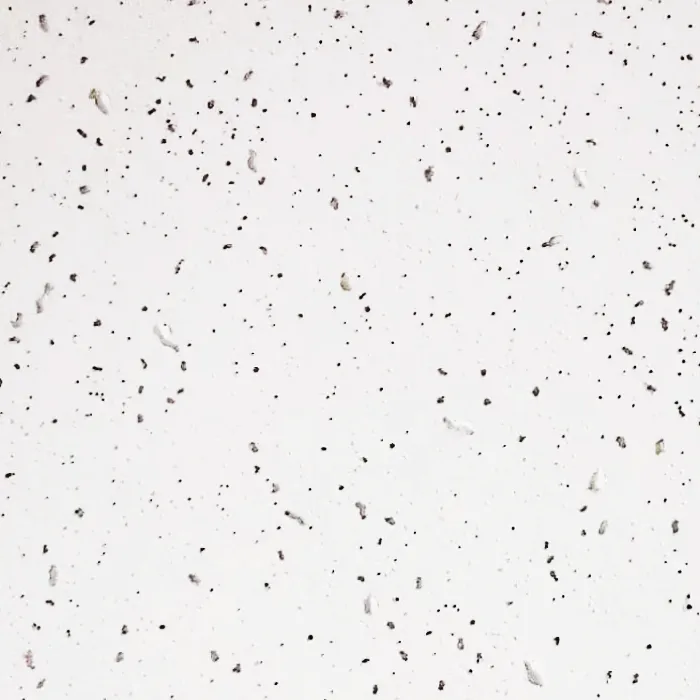
Fig 3: Mineral fiber ceiling tiles installed in a modern office environment.
Vendor Comparison and Customized Solutions for Mineral Fiber Board
Selecting the right supplier for mineral fiber board is a strategic decision that impacts project success, long-term performance, and cost-effectiveness. A thorough vendor comparison involves evaluating not just product specifications but also manufacturing capabilities, certifications, and service offerings.
Key Factors for Vendor Evaluation:
- Product Range and Performance: Assess the breadth of their mineral fiber board offerings, ensuring they provide various thicknesses, textures, and performance tiers (e.g., high NRC, specialized clean room finishes).
- Certifications and Compliance: Verify adherence to international standards (e.g., ISO 9001 for quality, ASTM, EN for performance, GREENGUARD for indoor air quality).
- Customization Capabilities: A reliable vendor should offer customized solutions, including bespoke sizes, edge details (e.g., reveal edge for specific aesthetics), custom colors, or specific acoustic profiles to match unique project requirements.
- Technical Support and Expertise: Evaluate the level of pre-sales and post-sales technical assistance, including installation guidance, product data sheets, and performance warranties.
- Supply Chain Reliability: Consider the vendor's ability to maintain consistent lead times and product availability, especially for large-scale projects.
Comparison: Mineral Fiber Board vs. Alternative Ceiling Materials
| Feature | Mineral Fiber Board | Gypsum Board (Drywall) | Metal Pan Ceilings |
|---|---|---|---|
| Acoustic Performance (NRC) | Excellent (0.50-0.90) | Poor (0.10-0.20) | Moderate (0.50+ with acoustic infill) |
| Fire Resistance | Excellent (Class A) | Good (Specific types can achieve ratings) | Good (Non-combustible) |
| Moisture Resistance | Good (Specialty tiles for high humidity) | Poor (Prone to mold/sag) | Excellent (Corrosion-resistant options) |
| Ease of Installation/Access | High (Suspended grid, easy access) | Low (Requires taping, finishing, painting; limited access) | High (Lay-in or snap-in systems, good access) |
| Aesthetics / Customization | Variety of textures, patterns, edge details | Smooth, seamless finish (painted) | Modern, metallic look; perforations, colors |
| Cost (Material & Install) | Moderate to High (Performance dependent) | Low to Moderate | High |
Customized solutions are a significant advantage when working with a flexible mineral fiber board manufacturer. This could involve specialized tile dimensions to fit non-standard grid systems, unique surface textures or perforations for specific design aesthetics, or tailored acoustic properties for rooms with critical sound requirements (e.g., recording studios, auditoriums). Collaborating with a manufacturer that prioritizes these bespoke needs ensures that the final ceiling system precisely aligns with the project’s architectural and performance objectives.
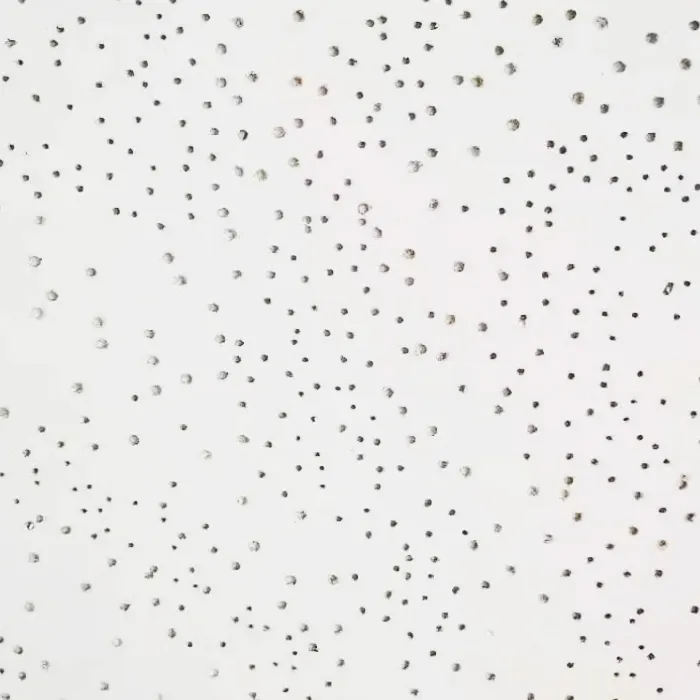
Fig 4: Variety of mineral fiber false ceiling tiles edges and finishes.
Application Case Studies: Transforming Environments with Mineral Fiber Board
Real-world implementations showcase the tangible benefits of integrating high-quality mineral fiber board into diverse architectural projects. These examples highlight the material's versatility and its impact on functional and aesthetic outcomes.
Case Study 1: Corporate Headquarters Acoustic Upgrade
A leading technology firm sought to revitalize its open-plan corporate headquarters, which suffered from excessive noise reverberation and lack of speech privacy. The existing ceilings were standard gypsum board, offering minimal acoustic absorption. The solution involved replacing these with high-performance mineral fiber board tiles (NRC 0.80, CAC 37) throughout the common areas, meeting rooms, and individual workstations. The result was a dramatic improvement in acoustic comfort, reducing ambient noise levels by 8-10 dB(A) and enhancing overall productivity. Employee feedback consistently cited improved concentration and a more pleasant working environment. The chosen tiles also boasted high light reflectance, contributing to a brighter, more energy-efficient space.
Case Study 2: New University Lecture Hall
For a newly constructed university lecture hall designed to accommodate 300 students, the primary challenge was to ensure optimal speech intelligibility and minimize echo. The architects specified mineral fibre suspended ceiling tiles with an NRC of 0.75 and a distinctive tegular edge for aesthetic appeal. The non-combustible properties of the mineral fiber board also met the stringent fire safety codes required for large public gathering spaces. Post-installation acoustic measurements confirmed excellent reverberation time control, ensuring every student, regardless of seating position, could clearly hear the lecturer. The ceiling's clean, modern finish complemented the contemporary design of the hall.
Case Study 3: Healthcare Clinic Renovation
A regional medical clinic underwent a major renovation, prioritizing patient comfort, hygiene, and staff efficiency. High humidity resistance mineral fiber board tiles with a vinyl face were selected for examination rooms, waiting areas, and laboratories. These tiles offered superior resistance to moisture, preventing sag and microbial growth, and were easy to clean and sanitize, crucial for infection control. Furthermore, the acoustic properties of the tiles helped create quieter spaces, contributing to patient privacy and a calmer environment. The durable and low-maintenance nature of the mineral fiber board provided a long-term, cost-effective solution for the clinic.
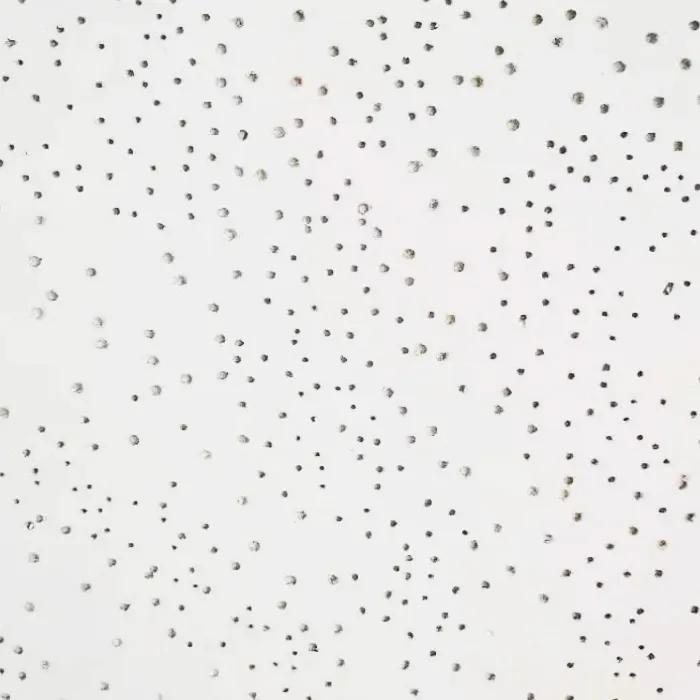
Fig 5: An example of mineral fiber board in a public corridor, emphasizing clean lines and durability.
Commitment to Trust: FAQ, Support, and Guarantees
Building long-term partnerships in the B2B sector is predicated on transparency, reliability, and robust support. Our commitment to high-quality mineral fiber board extends beyond the product itself, encompassing comprehensive customer service and clear guarantees.
Frequently Asked Questions (FAQ):
Q: What is the typical service life of mineral fiber board?
A: With proper installation and maintenance, our mineral fiber ceiling tiles are designed for a service life of 15-25 years, often outlasting the typical renovation cycles of commercial spaces.
Q: Are your mineral fiber board products sustainable?
A: Yes, our products often incorporate recycled content and are manufactured with processes aimed at minimizing environmental impact. Many carry certifications for low VOC emissions, contributing to better indoor air quality.
Q: How do your mineral fiber false ceiling tiles handle humidity?
A: Our advanced formulations ensure high humidity resistance, with many products rated up to 90% relative humidity, minimizing sag and maintaining dimensional stability even in challenging environments.
Q: Can these tiles be painted?
A: While our tiles come in various finishes, painting is generally not recommended as it can compromise acoustic performance and surface integrity. For custom colors, we offer factory-finished options.
Lead Time & Fulfillment:
We understand the critical timelines of construction projects. Our streamlined manufacturing and logistics ensure competitive lead times for standard mineral fiber board products, typically 2-4 weeks for standard orders. For customized solutions or large-scale projects, we provide detailed production and delivery schedules tailored to client needs, ensuring on-time fulfillment without compromising quality.
Warranty Commitments:
All our high-quality mineral fiber board products are backed by a comprehensive limited warranty against manufacturing defects, including sag, discoloration, and mold/mildew growth (for specified products). Our standard warranty period is 10 years, reflecting our confidence in the durability and performance of our mineral fibre suspended ceiling tiles when installed and maintained according to industry guidelines.
Dedicated Customer Support:
Our team of technical experts is available to provide unparalleled support, from initial product selection and specification to post-installation queries. We offer technical data sheets, installation guides, and direct consultation services to ensure seamless project execution and optimal performance of our mineral fiber board solutions. Client satisfaction is our highest priority.
Conclusion
The strategic deployment of high-quality mineral fiber board is a testament to intelligent building design. Offering an unparalleled combination of acoustic excellence, stringent fire safety, thermal insulation, and aesthetic versatility, these advanced ceiling solutions are indispensable for creating functional, comfortable, and resilient indoor environments. As demand for sustainable and high-performance building materials continues to grow, mineral fiber board stands as a proven, reliable choice for B2B stakeholders seeking to optimize their construction projects.
References
- ASTM International. (2023). ASTM E84-23: Standard Test Method for Surface Burning Characteristics of Building Materials.
- ASTM International. (2023). ASTM C423-23: Standard Test Method for Sound Absorption and Sound Absorption Coefficients by the Reverberation Room Method.
- European Committee for Standardization. (2014). EN 13501-1: Fire classification of construction products and building elements - Part 1: Classification using data from reaction to fire tests.
- US Green Building Council. (2020). LEED Reference Guide for Building Design and Construction.
-
Benefits and Guide of Mineral Fiber Ceiling Board for InteriorsNewsApr.16,2026
-
Modern Mineral Fiber Ceiling Solutions for Acoustic PerformanceNewsApr.09,2026
-
Mineral Fibre Board Ceiling vs Gypsum Board A Comprehensive Comparison GuideNewsApr.07,2026
-
Comprehensive Guide to Mineral Fiber Ceiling Specification and PerformanceNewsApr.04,2026
-
What Are Mineral Fiber Ceiling Tiles Made Of And Their ApplicationsNewsMar.31,2026
-
Exploring the Benefits of Suspended Mineral Fibre Ceiling Systems for Modern BuildingsNewsMar.28,2026