
Dec . 03, 2025 11:02 Back to list
Office Grid Ceiling: Benefits, Specs, Global Use & Future Trends
Understanding the Office Grid Ceiling: Practical Insights and Global Impact
Office grid ceilings are a ubiquitous part of modern workplaces, yet they often go unnoticed. These structured ceiling systems not only define the aesthetic of an office but also serve practical purposes — from housing lighting fixtures and HVAC components to improving acoustics and accessibility. Globally, their role is growing as more businesses demand flexible, cost-effective, and sustainable interior solutions. Grasping their benefits unlocks smarter decisions in design, construction, and maintenance.
Why Office Grid Ceilings Matter Worldwide
Across industries—from high-rises in New York to government offices in Singapore—office grid ceilings provide a scalable infrastructure that can adapt to evolving technological and functional needs. According to the International Organization for Standardization (ISO), modular ceiling systems contribute significantly to efficient building design, helping reduce renovation times by up to 30%. The World Bank notes that in rapidly urbanizing regions, such systems help accelerate infrastructure development with less environmental impact.
Still, challenges remain: integrating various mechanical and electrical systems seamlessly under a ceiling grid isn’t always straightforward. It’s an ongoing puzzle for architects and engineers, especially as demands for sustainability and worker comfort intensify.
Defining the Office Grid Ceiling
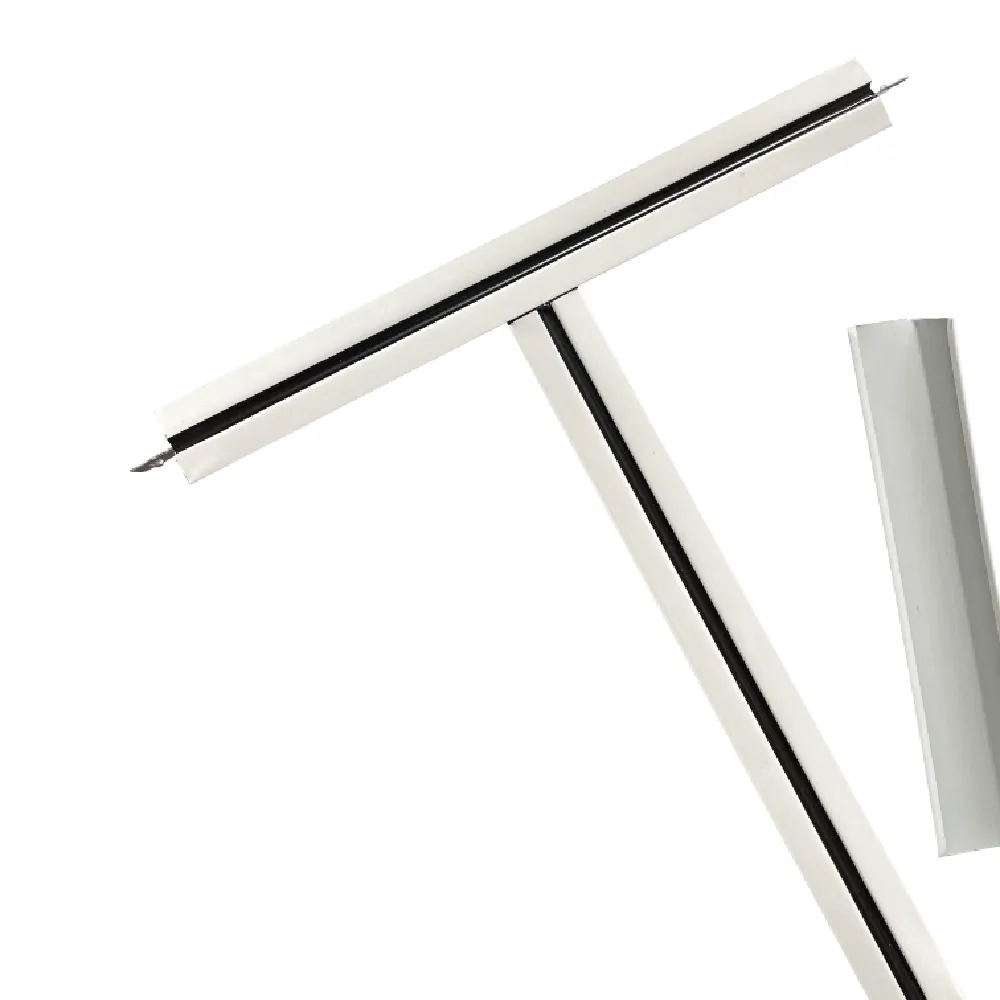
At its core, an office grid ceiling is a suspended frame system designed to support lightweight ceiling panels, tiles, or fixtures. Think of it as a skeleton, made usually of metal, that forms a grid pattern overhead. This grid allows for easy insertion and removal of panels, giving access to the space above where wiring, piping, and ductwork often run.
Its close connection to modern offices speaks to a shift towards open, flexible workspaces that require adaptable architectural elements. Plus, these grid ceilings contribute to more than just looks—there’s a practical humanitarian side too, in providing quick, modular solutions in emergency or temporary structures.
Key Aspects of Office Grid Ceilings
1. Durability and Materials
Metal alloys, especially aluminum and galvanized steel, dominate office grid ceilings due to their resistance to corrosion and weight tuning. These materials are engineered to withstand years of load cycles and environmental changes—crucial for maintaining safety and appearance.
2. Scalability and Flexibility
One of the grid ceiling’s strong suits: adaptability. Panels can be swapped, rearranged, or upgraded with minimal fuss. This scalability allows offices to respond quickly to new tech or layout changes without expensive reconstruction.
3. Acoustic Management
Thanks to the gap and panel varieties, grids can contribute significantly to reducing office noise pollution, enhancing employee focus and comfort—a detail often overlooked until “the roar” becomes distracting.
4. Cost Efficiency
Compared to traditional plastered or drywall ceilings, grid ceilings offer cost savings in installation, maintenance, and potential future redesigns. The modular nature means less downtime and material waste during refurbishments.
5. Integration with Building Services
The grid’s open framework accommodates lighting, sprinklers, air diffusers, and sensors while keeping accessibility straightforward. This integrative feature makes it a backbone for smart office environments.
Office Grid Ceiling Product Specifications
| Specification | Typical Range | Notes |
|---|---|---|
| Material | Aluminum, Galvanized Steel | Corrosion-resistant alloys |
| Grid Module Size | 600x600 mm, 1200x600 mm | Common panel sizes |
| Load Capacity | 7-15 kg/m² | Supports lighting & fixtures |
| Fire Resistance | Class A or B (according to ISO 5660) | Safety standards compliance |
| Finish | Powder-coated, Anodized | Enhances durability & aesthetics |
Mini takeaway: Office grid ceilings combine physical robustness with design flexibility, making them an invisible yet indispensable part of office infrastructure.
Global Applications & Use Cases
From bustling financial districts to remote industrial sites, office grid ceilings find diverse applications. In Europe and North America, high-rise offices use them to efficiently integrate LED lighting, ventilation, and fire safety systems. In Southeast Asia, rapid urbanization presses the use of such modular ceilings to reduce construction downtime.
Oddly enough, in humanitarian contexts, modular office grid ceilings have been utilized in temporary field hospitals and emergency command centers. Their quick install and removal properties make them ideal—even in extreme climates needing portable infrastructure. An example is the deployment in disaster relief camps, where maintaining dignity and operational functionality simultaneously matters.
Vendor Comparison for Office Grid Ceilings
| Vendor | Material Options | Customization | Lead Time | Sustainability Features |
|---|---|---|---|---|
| Xingyuan Ceilings | Aluminum, Steel | Modular & custom sizes | 4-6 weeks | Recyclable materials, low VOC coatings |
| Global Ceilings Inc. | Aluminum only | Standard modules | 6-8 weeks | Limited eco-certifications |
| EcoGrid Solutions | Recycled steel & aluminum | High customization | 8-12 weeks | Certified green manufacturing |
Mini takeaway: Choosing a supplier depends on balancing material preferences, lead times, and sustainability goals—something increasingly critical in corporate procurement.
Advantages & Long-Term Value of Office Grid Ceilings
- Cost Savings: The upfront investment tends to be lower than with bespoke ceiling systems, and future modifications are considerably cheaper.
- Sustainability: Many systems use recyclable materials and support green building certifications such as LEED and BREEAM.
- Social Impact: By improving interior comfort, these ceilings promote health and productivity among workers—important in today’s talent-conscious economy.
- Reliability & Safety: Fire ratings and structural testing ensure long-term trustworthiness.
- Innovation: The ability to incorporate smart sensors and IoT devices promises future-proof office environments.
Future Trends & Innovations Involving Office Grid Ceilings
Frankly, the future for office grid ceilings looks bright. Materials science is advancing, introducing bio-based composites and ultra-light alloys that could revolutionize durability and weight. Digital design tools enable precise customization to millimeters, reducing waste. Some companies are integrating embedded LED panels with adjustable color temperature for worker wellbeing. Another breakthrough is in “smart” ceiling tiles that monitor air quality or occupancy to optimize HVAC systems—part of a larger trend toward green, automated buildings. These innovations align with ISO standards focused on energy efficiency (ISO 50001).
Common Challenges & Their Solutions
Despite their perks, office grid ceilings aren’t perfect. Installation errors can lead to uneven grids or poor load bearing. Sometimes, older buildings struggle with ceiling heights, limiting grid ceiling options. Acoustic limitations still occur if panels aren’t selected thoughtfully. But solutions exist—pre-fabricated components ease installation, adjustable suspension systems allow height tweaks, and acoustic panels are becoming more advanced. Consulting experienced engineers and suppliers like Xingyuan Ceilings often prevents common pitfalls.
FAQ: Frequently Asked Questions About Office Grid Ceilings
- Q: How easy is it to replace damaged tiles in an office grid ceiling?
A: Very easy—one of the main benefits of grid ceilings is modularity. A damaged tile can be lifted out and a new one inserted without disrupting the grid or other tiles, minimizing office downtime. - Q: Are office grid ceilings suitable for humid environments?
A: Yes, but material choice matters. Aluminum grids resist corrosion well in such settings. Using moisture-resistant panels also helps prevent sagging or mold growth. - Q: Can office grid ceilings support heavy lighting or equipment?
A: Generally, yes within specified load limits (usually 7-15 kg/m²). For heavier loads, reinforced grid systems or additional suspension points may be required. - Q: How do office grid ceilings contribute to sustainability goals?
A: They often use recyclable materials, reduce construction waste due to modularity, and can integrate energy-efficient lighting and HVAC components, supporting green certifications. - Q: What’s the typical lifespan of a well-maintained office grid ceiling?
A: With routine cleaning and timely replacements, these ceilings can last 15 to 25 years or more, often outliving other interior finishes.
Wrapping Up: The Last Word on Office Grid Ceilings
In real terms, office grid ceilings do more than meet the eye. They represent a smart investment for businesses intent on durability, flexibility, and environmental responsibility. Whether designing a new workplace or upgrading an existing one, understanding their specs, suppliers, and innovations is essential. For those interested in exploring superior options, don’t hesitate to visit Xingyuan Ceilings and discover how these versatile systems can transform your office environment.
Ultimately, behind those neat tile grids rests a world of technical finesse and practical advantage — it feels like the silent champion of functional workspace design.
Mini takeaway: Office grid ceilings are more than aesthetic frameworks—they’re adaptable, sustainable, and integral to modern office ecosystems.
References:
-
Benefits and Guide of Mineral Fiber Ceiling Board for InteriorsNewsApr.16,2026
-
Modern Mineral Fiber Ceiling Solutions for Acoustic PerformanceNewsApr.09,2026
-
Mineral Fibre Board Ceiling vs Gypsum Board A Comprehensive Comparison GuideNewsApr.07,2026
-
Comprehensive Guide to Mineral Fiber Ceiling Specification and PerformanceNewsApr.04,2026
-
What Are Mineral Fiber Ceiling Tiles Made Of And Their ApplicationsNewsMar.31,2026
-
Exploring the Benefits of Suspended Mineral Fibre Ceiling Systems for Modern BuildingsNewsMar.28,2026