



get a quote

News
-
 The Ultimate Guide to PVC Gypsum Ceiling Tiles: Elegance Meets Durability When designing a modern interior, the ceiling is often the fifth wall that can either elevate a room or leave it feeling unfinished. pvc gypsum ceiling tiles have emerged as a revolutionary solution, blending the structural strength of gypsum with the moisture resistance of PVC. Whether you are renovating a luxury hotel, a busy office, or a cozy home, these tiles offer an unparalleled balance of aesthetic appeal and long-term performance. In this guide, we will explore why this composite material is becoming the go-to choice for architects and interior designers worldwide.Read more
-
 The Ultimate Guide to PVC Gypsum Ceiling: Elegance Meets Durability When designing a modern interior, the ceiling is often the fifth wall that can either elevate or diminish the entire rooms aesthetic. The pvc gypsum ceiling has emerged as a revolutionary solution for homeowners and architects alike, blending the structural stability of gypsum with the moisture-resistant properties of PVC. Whether you are renovating a luxury living room or a high-humidity bathroom, choosing the right ceiling material is critical for long-term maintenance and visual appeal. In this comprehensive guide, we will explore why this hybrid material is becoming the gold standard in contemporary interior design.Read more
-
 What is Mineral Fiber Board? A Complete Guide to Modern Ceiling Solutions If you are planning a commercial renovation or designing a modern office space, you have likely come across various ceiling materials. But what is mineral fiber board exactly? In essence, it is a high-performance acoustic ceiling tile made from a blend of mineral wool, recycled materials, and organic binders. Known for its exceptional sound absorption and fire resistance, this material has become the gold standard for architects and contractors worldwide. In this comprehensive guide, we will explore the composition, benefits, and technical specifications of mineral fiber boardsRead more
-
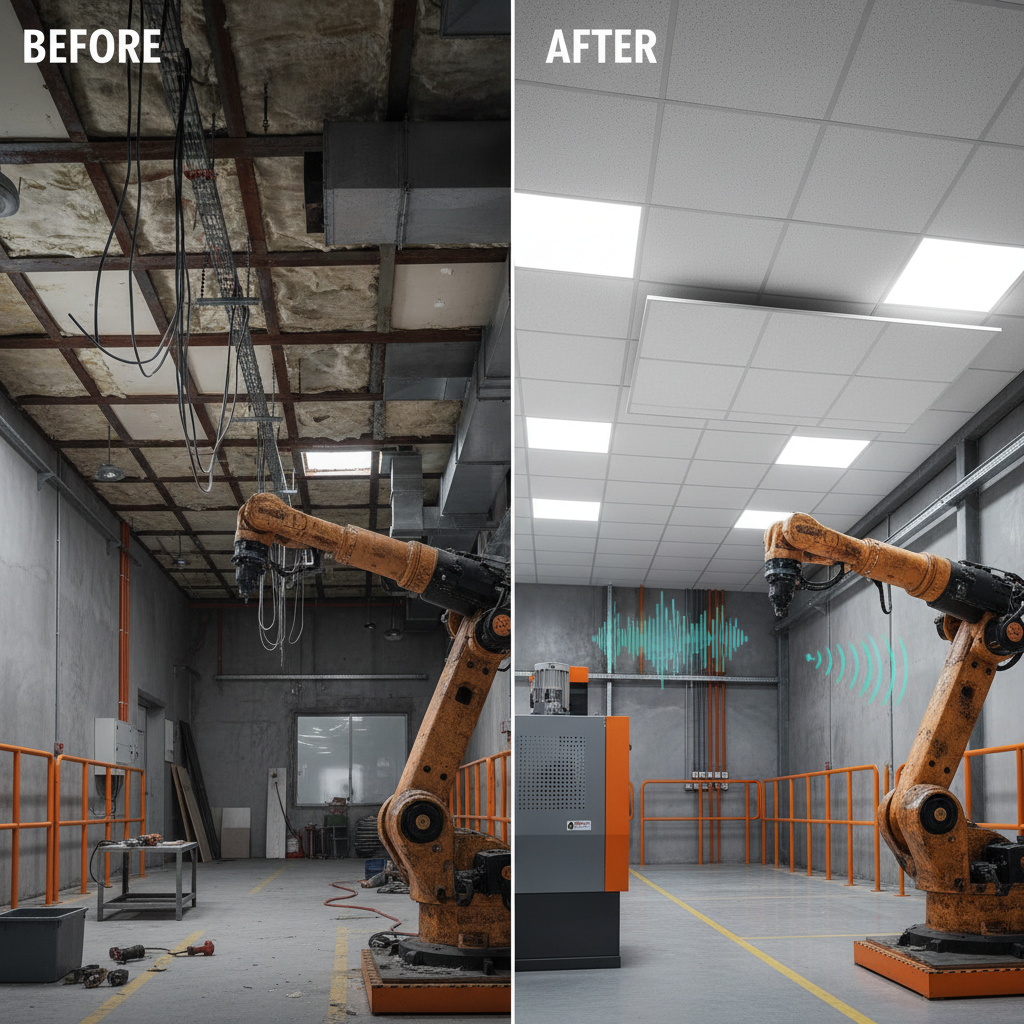 When designing a commercial or residential space, the ceiling is often an overlooked element, yet it plays a critical role in acoustics, thermal insulation, and overall aesthetics. The mineral fiber ceiling board has emerged as one of the most efficient and sustainable solutions for modern architecture. Engineered from a blend of mineral wool and other sustainable binders, these boards provide a seamless balance between functionality and style. In this comprehensive guide, we will explore why this material is the preferred choice for architects worldwide and how it can transform your indoor environment.Read more
-
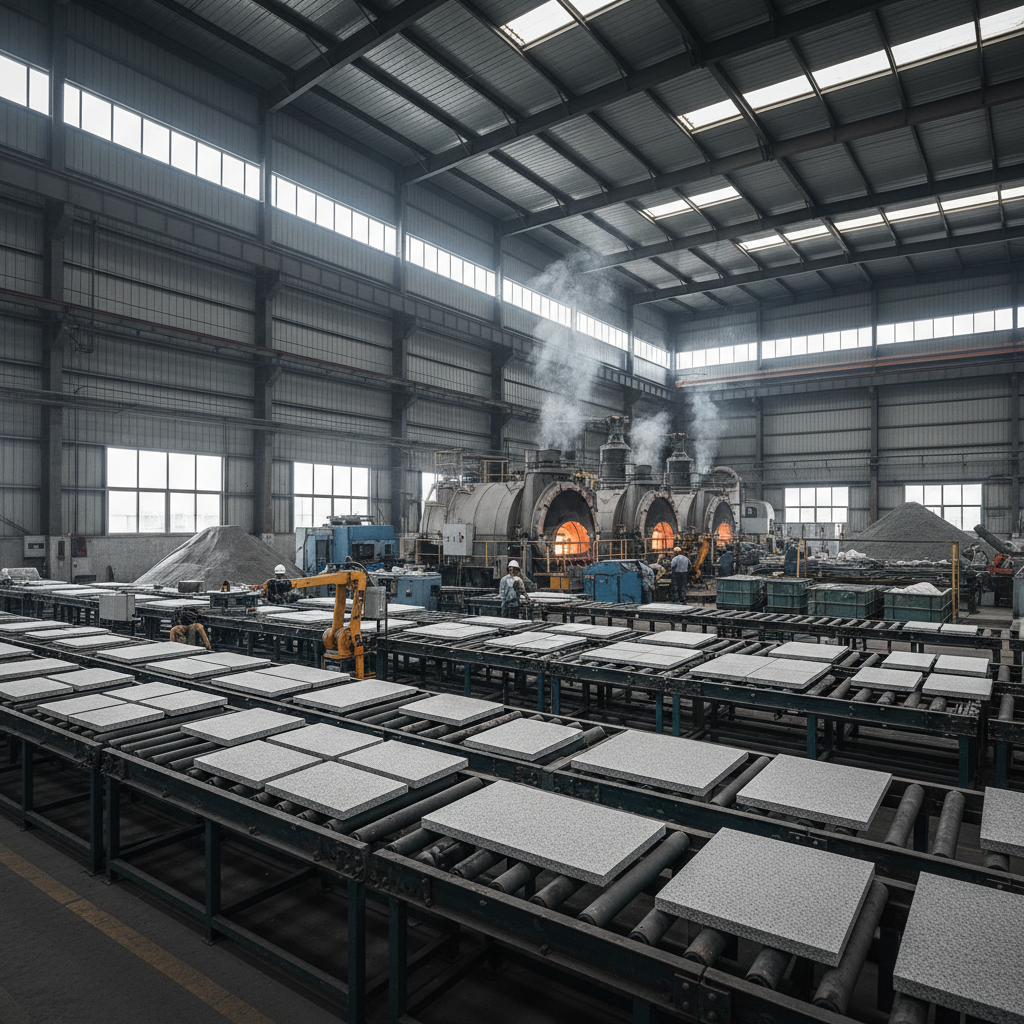 When designing a commercial or residential interior, the ceiling is often an overlooked element, yet it plays a critical role in acoustics, thermal insulation, and overall aesthetics. A mineral fiber ceiling offers a professional-grade solution that balances functionality with a clean, modern look. These ceilings are engineered from a blend of mineral wool, starch, and other binding agents, providing exceptional sound absorption and fire resistance. Whether you are renovating an office, a school, or a healthcare facility, understanding the nuances of these systems is key to achieving a sustainable and quiet environment.Read more
-
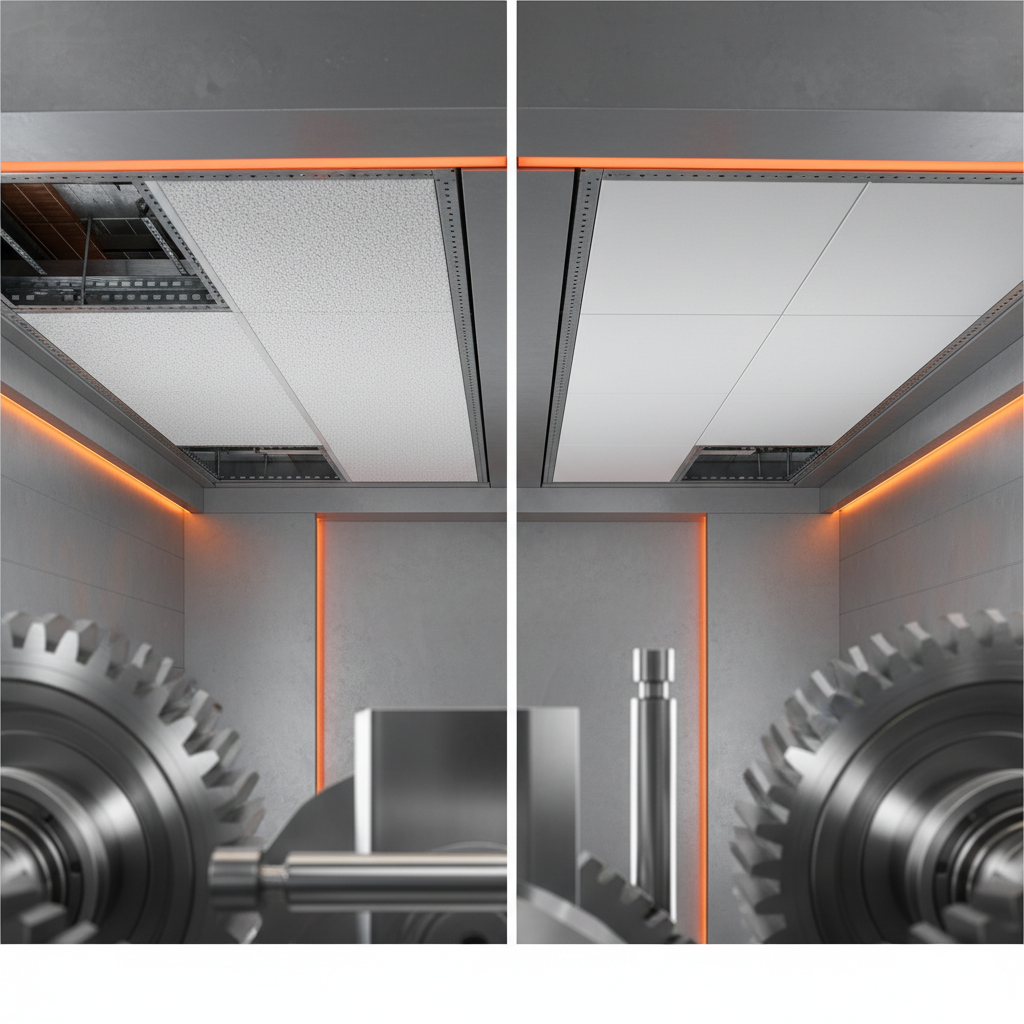 When choosing a ceiling material for commercial or residential spaces, the decision often comes down to mineral fibre board ceilings and gypsum board. Both offer distinct advantages, but understanding their key differences is crucial for selecting the best option for your project. This article delves into the characteristics, benefits, and applications of each material, helping you make an informed decision. We’ll cover everything from acoustic performance to fire resistance, and cost-effectiveness.Read more
-
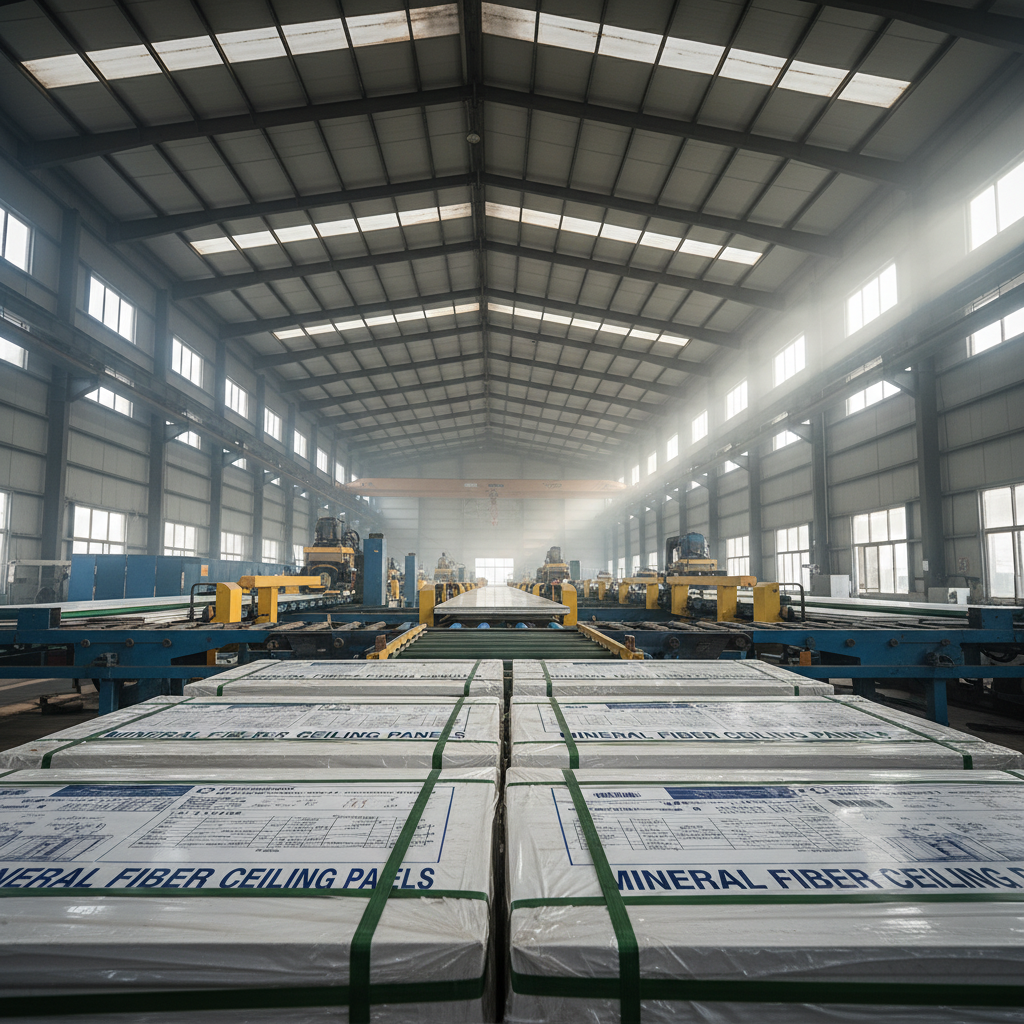 Understanding mineral fiber ceiling specification is crucial for architects, contractors, and building owners seeking optimal acoustic performance, fire safety, and aesthetic appeal. These ceilings are widely used in commercial, institutional, and residential buildings due to their versatile properties. This article provides a detailed overview of mineral fiber ceiling specifications, covering their composition, performance characteristics, installation guidelines, and benefits. Choosing the right specification ensures long-lasting performance and compliance with building codes.Read more
-
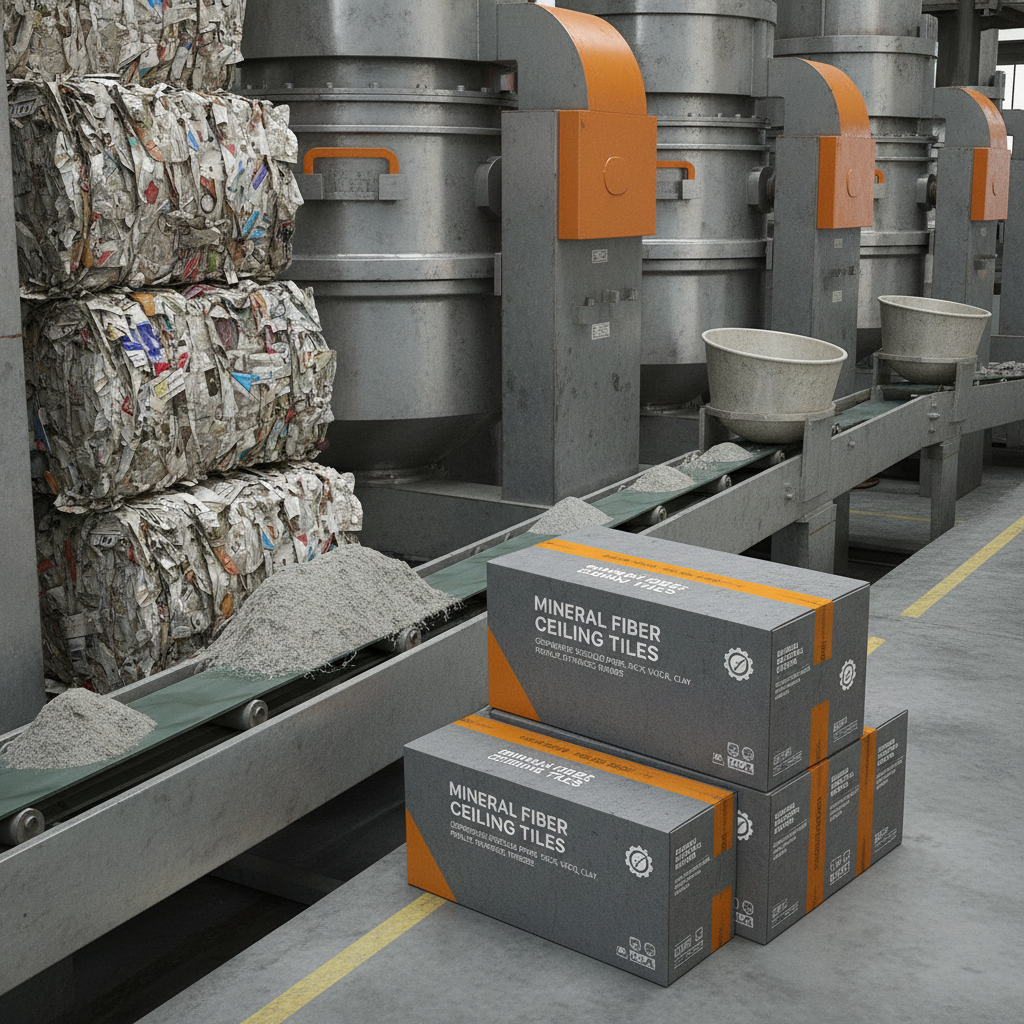 Mineral fiber ceiling tiles are a widely used and cost-effective solution for commercial and residential spaces. But have you ever wondered what mineral fiber ceiling tiles are made of? This article will delve into the composition, manufacturing process, benefits, and applications of these versatile tiles. Understanding their makeup helps you make informed decisions when choosing the right ceiling solution for your project.Read more
-
 Suspended mineral fibre ceilings are a popular choice for both commercial and residential spaces, offering a blend of aesthetic appeal, acoustic performance, and fire resistance. This article delves into the benefits, applications, installation considerations, and maintenance of suspended mineral fibre ceiling systems, providing a comprehensive guide for architects, contractors, and building owners.Read more
-
 In the realm of modern construction and industrial applications, fire safety is paramount. SBI Micore 300 mineral fiber board emerges as a high-performance solution for thermal and acoustic insulation, combined with exceptional fire resistance. This article delves into the properties, applications, benefits, and key considerations surrounding this versatile material, offering insights for architects, contractors, and building owners. Understanding the capabilities of SBI Micore 300 is crucial for creating safer, more efficient, and comfortable environments. SBI Micore 300 mineral fiber board is engineered with a unique composition of mineral wool, a material known for its inherent fire-resistant properties. The board's density and structure contribute to excellent thermal insulation, reducing energy consumption and lowering heating and cooling costs. Beyond its thermal performance, SBI Micore 300 delivers exceptional acoustic absorption, minimizing noise transmission and creating quieter indoor spaces. Its lightweight nature simplifies installation, and its dimensional stability ensures long-term performance.Read more
-
 When it comes to thermal and acoustic insulation for industrial applications, choosing the right material is crucial. Roxul ProRox SL 960 stands out as a leading solution, offering exceptional performance and durability. This article will provide a detailed overview of the ProRox SL 960, exploring its properties, applications, benefits, and why it's a preferred choice for professionals. Understanding the specifications and benefits of this product can help ensure optimal insulation performance in various industrial settings. Roxul ProRox SL 960 is a high-density stone wool insulation specifically engineered for industrial applications requiring robust thermal and acoustic control. Its non-combustible nature and ability to withstand high temperatures make it ideal for demanding environments. The material’s inherent fire resistance provides a crucial safety feature, while its excellent sound absorption properties contribute to improved workplace conditions. This product is known for its longevity and resistance to moisture, ensuring long-term performance and minimal maintenance.Read more
-
 In the world of construction and thermal management, choosing the right insulation is crucial for energy efficiency, safety, and long-term building performance. Rigid mineral wool insulation sheets stand out as a high-performance solution, offering a superior blend of thermal, acoustic, and fire-resistant properties. This article provides a deep dive into these versatile sheets, exploring their benefits, applications, specifications, and why they are an excellent choice for a wide range of projects. Investing in quality insulation like Xingyuan’s mineral wool can lead to significant cost savings and enhanced building comfort. Rigid mineral wool insulation sheets are manufactured from molten rock or slag spun into fibers and then compressed into rigid panels. This process results in a robust, dimensionally stable product with exceptional thermal performance. Unlike some other insulation materials, mineral wool is naturally fire-resistant and does not contribute to the spread of flames. It’s also a sustainable choice, often made from recycled materials. These sheets are prized for their ability to effectively reduce heat transfer, minimize sound transmission, and contribute to safer buildings.Read more