



get a quote

News
-
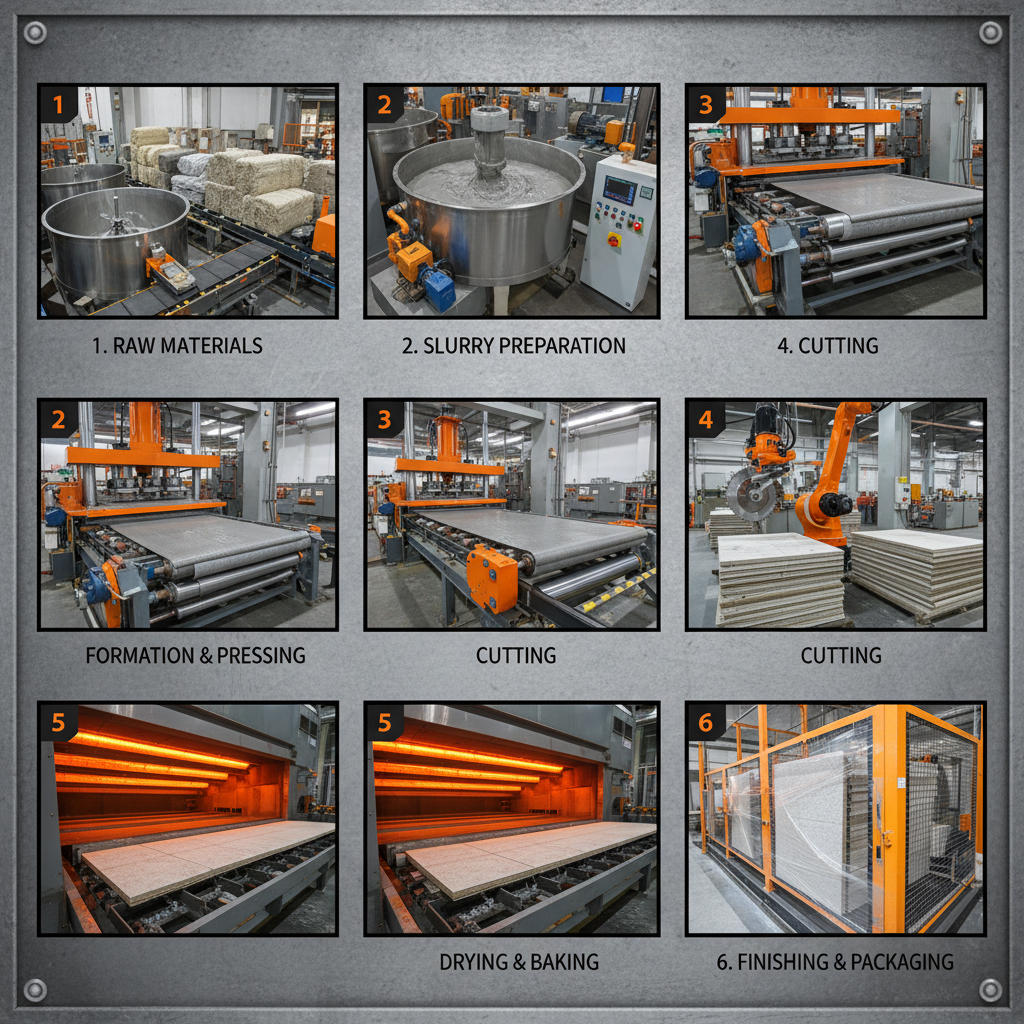 Mineral fiber tiles are a popular choice for interior ceiling solutions, offering a balance of acoustic performance, fire resistance, and cost-effectiveness. They are widely used in commercial buildings, offices, schools, and healthcare facilities. This article will provide an in-depth look at mineral fiber tiles, covering their properties, applications, manufacturing processes, and key considerations for international trade. We will also highlight the benefits of sourcing from Xingyuan Ceilings, a leading manufacturer and exporter of high-quality mineral fiber tiles. Mineral fiber tiles are manufactured from a combination of mineral wool (typically slag wool or rock wool), clay, cellulose fibers, and a binder. The mixture is formed into tiles, dried, and then cut to size. These tiles are known for their excellent sound absorption capabilities, making them ideal for spaces where noise control is essential.Read more
-
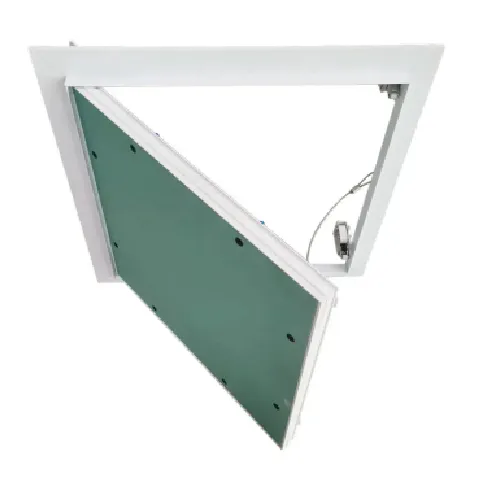 Discover waterproof and fire-resistant ceiling access panels by Shijiazhuang Xingyuan. Engineered with gypsum board and aluminum frame, these panels offer easy installation, durable performance, and customizable solutions. Ideal for commercial and industrial applications, ensuring secure and aesthetic access to concealed systems. Explore our range today: https://www.xingyuanceilings.comRead more
-
When considering interior design and acoustic performance, mineral fiber false ceiling tiles offer a versatile and cost-effective solution. These tiles are widely used in commercial, educational, and healthcare settings due to their sound absorption, fire resistance, and aesthetic appeal. This article delves into the benefits, applications, and selection criteria for mineral fiber ceiling tiles, providing valuable insights for architects, contractors, and building owners. Choosing the right ceiling tile can significantly enhance the functionality and ambiance of any space. We’ll explore why Xingyuan Ceilings’ mineral fiber tiles are a trusted choice for numerous projects. Mineral fiber tiles are manufactured from a combination of slag wool, clay, perlite, and a binder. This composition results in a lightweight yet durable material that excels in sound absorption. The porous structure of the tiles effectively traps and dissipates sound waves, reducing noise levels and improving speech intelligibility.Read more
-
Mineral ceiling tiles are a popular choice for commercial and residential spaces, offering a blend of acoustic performance, aesthetic versatility, and cost-effectiveness. This article provides an in-depth look at mineral ceiling tiles, covering their composition, benefits, applications, installation, and maintenance. We'll explore the various options available and help you determine if a mineral ceiling is the right solution for your project. Choosing the right ceiling material impacts everything from sound control to the overall look and feel of a space. Mineral ceiling tiles are primarily composed of mineral wool – a material made from molten rock or slag spun into fine fibers. This mineral wool is then combined with binders, clay, and sometimes cellulose fibers to create a dense, stable tile. The resulting material boasts excellent sound absorption properties and is inherently fire-resistant. Different manufacturing processes and varying ingredient ratios influence the tile's density, texture, and performance characteristics.Read more
-
When considering acoustic and aesthetic solutions for interior spaces, mineral board ceilings are often a top choice. These ceilings offer a unique blend of sound absorption, fire resistance, and visual appeal, making them ideal for a wide range of applications. This article provides a detailed overview of mineral board ceilings, exploring their benefits, applications, installation considerations, and where to find quality options from a trusted supplier like Xingyuan Ceilings. Choosing the right ceiling material can significantly impact the comfort and functionality of a space, and we’ll delve into why mineral boards stand out as a versatile solution. Mineral board ceilings, also known as mineral fiber ceilings, are manufactured from a combination of mineral wool, clay, and cellulose fibers. This composition results in a lightweight yet durable material with exceptional sound-absorbing properties. They are typically available in various sizes, shapes, and surface textures, offering design flexibility to match different architectural styles.Read more
-
In the realm of fire protection and acoustic control, Micore 160 mineral fiber board stands as a highly effective and versatile solution. Its excellent fire resistance, sound absorption, and thermal insulation properties make it ideal for a wide range of applications in commercial, industrial, and residential buildings. This article will explore the key features, benefits, applications, and specifications of Micore 160, offering a detailed overview for architects, contractors, and anyone seeking superior building materials. Choosing the right fire-rated material is essential for safeguarding life and property, and Micore 160 delivers exceptional performance. Micore 160 boasts a unique composition of mineral wool fibers, expertly engineered for superior performance. This material provides exceptional fire resistance, exceeding many industry standards. Its high density contributes to excellent sound absorption, reducing noise transmission and creating more peaceful environments. Furthermore, Micore 160 exhibits excellent thermal insulation properties, helping to regulate building temperatures and reduce energy consumption. The board is lightweight yet durable, making it easy to install and long-lasting.Read more
-
Selecting the appropriate fibre for ceiling applications is crucial for achieving optimal acoustic performance, fire resistance, and aesthetic appeal. This guide explores the different types of ceiling fibre available, their benefits, applications, and factors to consider when making a selection. Understanding these nuances ensures a high-quality, long-lasting ceiling solution. We will delve into material properties and their impact on your project's success. The market offers several types of ceiling fibre, each with unique characteristics. Mineral fibre, commonly made from recycled glass or rock, provides excellent acoustic absorption and fire resistance. Glass fibre is known for its high soundproofing properties and moisture resistance. Polyester fibre, a synthetic option, is lightweight, offers good acoustic performance and is often more sustainable. Finally, wood fibre provides a natural aesthetic and good thermal insulation, although it may require additional fire retardant treatment.Read more
-
When considering acoustic and aesthetic solutions for interior spaces, OEM mineral fiber ceiling tiles stand out as a versatile and cost-effective option. These tiles are widely used in commercial buildings, offices, schools, and healthcare facilities due to their sound absorption, fire resistance, and ease of installation. This article will delve into the benefits, applications, manufacturing processes, and key considerations when sourcing and specifying these tiles. We'll explore why Xingyuan Ceilings is a trusted source for high-quality OEM mineral fiber ceiling tiles. Mineral fiber ceiling tiles offer a multitude of advantages, making them a popular choice for interior design. Primarily, they excel in sound absorption, reducing noise levels and enhancing acoustic comfort within a space. They also provide excellent thermal insulation, contributing to energy efficiency. Beyond functionality, these tiles are aesthetically pleasing and can be customized with various textures, patterns, and colors to complement any interior design scheme.Read more
-
Looking for a sustainable, high-performing building material? Mineral fiber planks are rapidly gaining popularity in construction and interior design due to their exceptional acoustic, fire-resistant, and thermal properties. This article explores the benefits, applications, and key considerations when choosing mineral fiber planks for your next project. We’ll delve into why these planks are an increasingly favored choice for both residential and commercial buildings, offering a blend of performance and environmental responsibility. Mineral fiber planks are engineered from a blend of mineral wool, cement, and water. The mineral wool, often derived from recycled materials like slag or glass, provides exceptional thermal and acoustic insulation. The cement acts as a binder, creating a durable and dimensionally stable product. This composition results in a plank that is inherently non-combustible, resistant to mold and mildew, and dimensionally stable, minimizing expansion and contraction with changes in temperature and humidity. Xingyuan Ceilings specializes in providing high-quality mineral fiber planks tailored to various project requirements.Read more
-
In contemporary interior design and commercial spaces, the choice of ceiling system significantly impacts aesthetics, functionality, and installation efficiency. Surface mount grid systems are gaining prominence as a versatile and cost-effective solution. This article will delve into the benefits, applications, and considerations for implementing surface mount grids, providing a comprehensive guide for architects, designers, and contractors. They represent a modern approach to ceiling installation, offering a sleek and uncluttered appearance. A surface mount grid system, as the name suggests, is installed directly onto the existing ceiling surface, unlike traditional suspended or lay-in grid systems which require hanging supports. The grid is typically composed of lightweight metal profiles that are adhered or mechanically fastened to the substrate. This method minimizes headroom loss and provides a clean, streamlined finish. It’s especially valuable in spaces where ceiling height is limited, or a quick and simple installation is desired. Xingyuan Ceilings specializes in providing high-quality surface mount grid solutions tailored to diverse project needs.Read more
-
When renovating or constructing a commercial space, the ceiling plays a vital role in aesthetics, functionality, and accessibility. Surface mount ceiling grid systems offer a versatile and efficient solution for creating suspended ceilings. This article explores the benefits, applications, installation, and considerations when choosing a surface mount grid system, providing a comprehensive guide for architects, contractors, and building owners. Choosing the right ceiling system contributes to a professional look and improved working environment. A surface mount ceiling grid system is a type of suspended ceiling where the grid is directly attached to the existing ceiling structure. Unlike concealed grid systems, the grid is visible, creating a distinct aesthetic. These systems are commonly constructed from lightweight steel or aluminum, offering durability and ease of installation. They provide a framework for holding ceiling tiles, allowing easy access to the plenum space above for maintenance and upgrades. Xingyuan Ceilings specializes in providing high-quality surface mount solutions. Surface mount grids offer numerous advantages. They are typically more cost-effective to install than concealed grid systems, as they require less labor and materials. Their open design allows for easier access to mechanical systems, lighting, and other utilities housed in the plenum space.Read more
-
When designing modern interiors, the ceiling often plays a crucial, yet understated, role. A well-chosen ceiling system can enhance aesthetics, improve acoustics, and provide easy access to services. The snap grid ceiling system offered by Xingyuan Ceilings is a popular choice for commercial and residential projects alike, valued for its ease of installation, flexibility, and appealing appearance. This article will explore the benefits, applications, and considerations when choosing a snap grid system. Choosing the right ceiling system is an important aspect of interior design, impacting both functionality and visual appeal. We’ll cover the key features that make Xingyuan’s systems a trusted choice. Snap grid ceiling systems, also known as demountable ceiling grids, consist of a grid of interconnected metal profiles (typically steel or aluminum) that create a framework for installing ceiling tiles or panels. Unlike traditional suspended ceilings that require extensive labor for tile replacement, snap grid systems allow for quick and easy access above the ceiling. This is particularly valuable in spaces where maintenance, repairs, or modifications to utilities are frequent.Read more