
Dec . 03, 2025 11:20 Back to list
Perforated Grid Ceiling – The Future of Acoustic and Sustainable Architecture
Understanding Perforated Grid Ceiling: A Practical Guide
You might not often stop to notice the ceilings above your head—especially if they’re a simple, uniform white surface. But the perforated grid ceiling is quietly making its mark, not just as a design element but as a core component in modern architecture and industrial spaces worldwide. Beyond aesthetics, it addresses critical issues like acoustic control, air circulation, and energy efficiency.
Why does this matter? Globally, an estimated 50% of commercial buildings deploy some form of modular ceiling system, and the adoption of perforated grid ceilings continues to rise because of their versatility and sustainability. Understanding these ceilings helps design smarter living and work environments that align with today’s environmental and functional demands.
Global Context: Why Perforated Grid Ceilings Are Gaining Ground
In many urban areas, indoor air quality and noise pollution are serious concerns. The World Health Organization estimates that over 90% of people live in areas where air pollution exceeds recommended levels. Enter the perforated grid ceiling, designed to enhance ventilation without compromising structural integrity.
Plus, constructions are getting smarter and greener. ISO standards for energy-saving building materials encourage solutions that improve thermal management, and perforated ceilings tick many boxes. Whether it’s in offices, hospitals, or airports — spaces where comfort and functionality meet — they are becoming a go-to choice.
What Exactly Is a Perforated Grid Ceiling?
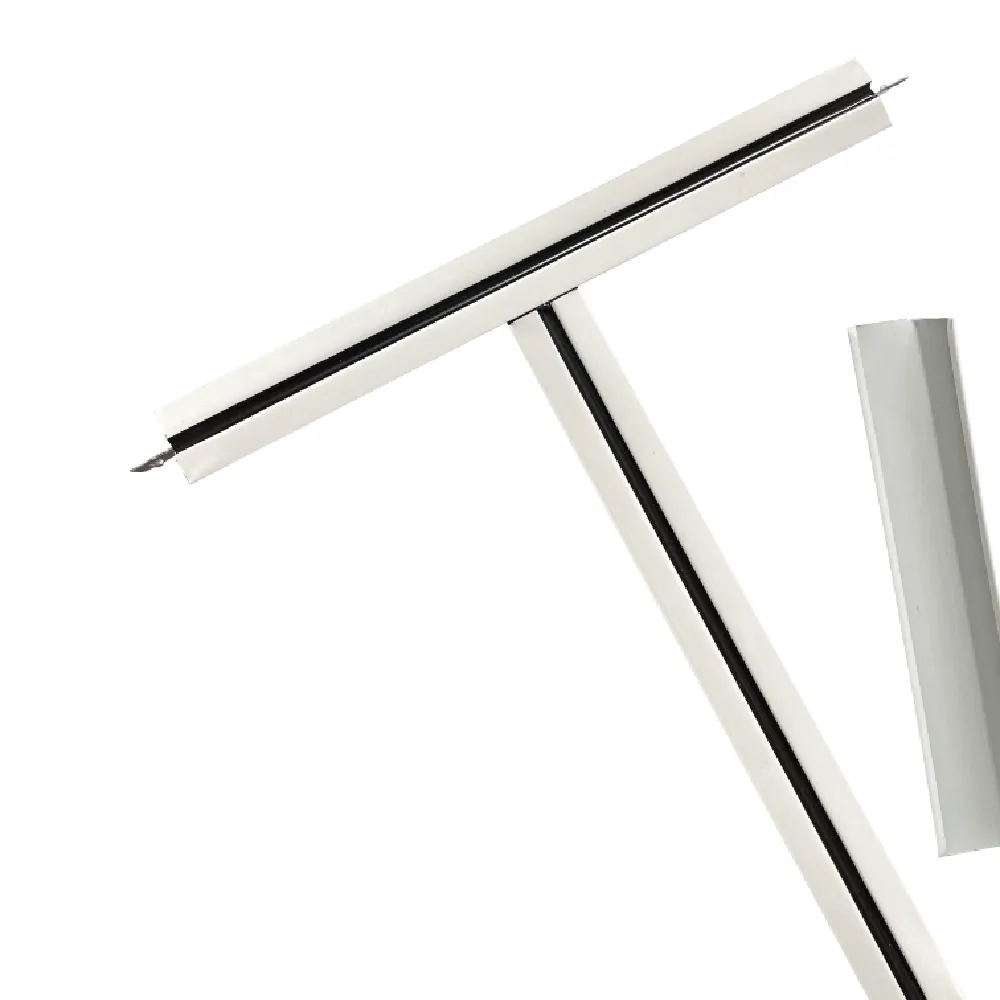
Simply put, a perforated grid ceiling is a ceiling system made up of panels fitted onto a grid framework, with a perforated surface featuring an array of small holes or slots. This pattern allows for better airflow, sound absorption, and often integrates well with lighting or HVAC systems.
Imagine a ceiling that doesn’t just sit there but actively contributes to a building’s indoor comfort. It’s no surprise these grids are connected to modern needs: sustainability in architecture, acoustic control in busy environments, and flexible design components.
Key Components & Factors for Perforated Grid Ceilings
Durability
Perforated grid ceilings are usually fabricated from materials such as aluminum, steel, or even mineral fiber. These materials are chosen for their longevity and resistance to moisture and corrosion—key in humid or industrial environments.
Acoustic Performance
The perforations aren’t just decorative; they are carefully engineered to control sound reflection and absorption. This reduces noise pollution, making the ceiling ideal for offices, schools, and healthcare facilities.
Ventilation & Airflow
The holes facilitate better air circulation by allowing HVAC systems to operate more efficiently. This, in turn, improves air quality and temperature regulation — a comfort factor that’s sometimes undervalued.
Cost Efficiency
While they might cost a bit more upfront than plain ceilings, these grids reduce long-term maintenance and energy bills by improving climate control within buildings.
Ease of Installation and Scalability
The grid design allows for quick installation and easy access to systems hidden above the ceiling — great for maintenance or future upgrades. Plus, upgrading or scaling the system is straightforward.
| Specification | Values/Notes |
|---|---|
| Material | Aluminum, Steel, Mineral Fiber |
| Panel Size | 600mm x 600mm or custom sizes |
| Perforation Pattern | Round, square, or linear; hole size 1-5 mm |
| Acoustic Absorption Coefficient | Up to 0.85 (depends on core and perforation) |
| Fire Resistance | Class A (varies by material) |
| Weight per m² | 3 – 5 kg depending on material |
Mini takeaway: Perforated grid ceilings marry form with function, offering durability, sound control, and airflow benefits, all within adaptable, easy-to-install systems.
Global Applications & Real-World Use Cases
You’ll find perforated grid ceilings almost everywhere—from the bustling terminals of airports in Europe to remote industrial sites in Southeast Asia. In places where noise dampening and ventilation are critical, such as hospitals or libraries, they provide an elegant and efficient solution.
In post-disaster relief architecture, temporary shelters often incorporate modular perforated ceilings to maintain air quality while allowing quick assembly. Also, manufacturing plants in North America use these ceilings to meet strict environmental and OSHA guidelines.
| Vendor | Material Options | Customization | Pricing | Lead Time |
|---|---|---|---|---|
| Xingyuan Ceilings | Aluminum, Steel | High (custom sizes & patterns) | Competitive | 2-4 weeks |
| Global Ceiling Co. | Steel, Mineral Fiber | Medium | Moderate | 4-6 weeks |
| EcoGrid Solutions | Recycled Aluminum | Low | Premium | 3-5 weeks |
Mini takeaway: From airports to disaster relief, perforated grid ceilings fit diverse contexts, and vendors vary in flexibility and sustainability focus.
Advantages & Long-Term Value
There’s something satisfying about a ceiling that works so hard without ever asking for attention. Perforated grid ceilings reduce HVAC loads, dim noise, and can even enhance aesthetics. From a sustainability angle, many manufacturers use recyclable materials and designs that reduce carbon footprints.
On a social level, environments that are acoustically pleasant and well-ventilated promote better productivity, safety, and well-being. So, considerations move beyond dollars to something more human — comfort, dignity, and trust in the spaces around us.
Looking Ahead: Trends & Innovations
Frankly, the future looks quite exciting. New materials combining soundproofing and eco-friendliness keep surfacing—think bio-based panels with embedded sensors for smart ventilation control. Automation is enhancing how these grid ceilings talk to HVAC and lighting controls, optimizing energy use.
And government sustainability policies are accelerating adoption—green building certifications increasingly recognize and reward such ceiling systems for their contribution to energy-efficient design.
Challenges & How Experts Overcome Them
Like any tech, perforated grid ceilings aren’t perfect. Noise reduction varies widely by perforation size and core material. Installation errors can degrade performance. Moisture sensitivity can be an issue in some climates.
But many companies now use rigorous testing in line with ISO standards to validate acoustic and fire safety. Modular designs ease installation mistakes. And innovations in moisture-resistant coatings help overcome climatic hurdles.
FAQ: Frequently Asked Questions About Perforated Grid Ceiling
-
Q: How do perforated grid ceilings improve indoor air quality?
A: By allowing better air circulation through small perforations, these ceilings enable HVAC systems to distribute fresh air more evenly, reducing stale zones and boosting overall air quality. -
Q: Are perforated grid ceilings suitable for high humidity environments?
A: Yes, especially those made with aluminum or treated steel. These materials resist corrosion and moisture damage, though proper installation and ventilation are key to long-term durability. -
Q: Can I customize the size and perforation pattern for acoustic needs?
A: Absolutely—many manufacturers, including Xingyuan Ceilings, offer tailored solutions that match specific sound absorption and design preferences. -
Q: What maintenance is involved with perforated grid ceilings?
A: Regular cleaning to prevent dust clogging perforations, periodic inspections to ensure panels are secure, and occasional upgrades to coatings or finishes depending on the environment. -
Q: How do I ensure compliance with fire safety standards?
A: Check that the product has relevant fire classification certifications (like Class A). Many suppliers provide these certifications, which comply with international standards such as ISO 5660.
Conclusion
Perforated grid ceilings are more than just decorative panels—they are integral to creating safe, sustainable, and comfortable indoor environments. Their benefits stretch from functional ventilation and noise control to wider social and environmental impacts.
If your project could benefit from smarter ceiling solutions, don’t hesitate to learn more at Xingyuan Ceilings. Your spaces deserve a ceiling that does more than you think.
It’s interesting how something overhead can silently influence comfort and efficiency so much — definitely worth another look next time you glance up.
References:
1. ISO 5660 Fire Measurement Standard
2. WHO on Air Pollution and Health
3. UN Environmental Programme on Resource Efficiency
-
Benefits and Guide of Mineral Fiber Ceiling Board for InteriorsNewsApr.16,2026
-
Modern Mineral Fiber Ceiling Solutions for Acoustic PerformanceNewsApr.09,2026
-
Mineral Fibre Board Ceiling vs Gypsum Board A Comprehensive Comparison GuideNewsApr.07,2026
-
Comprehensive Guide to Mineral Fiber Ceiling Specification and PerformanceNewsApr.04,2026
-
What Are Mineral Fiber Ceiling Tiles Made Of And Their ApplicationsNewsMar.31,2026
-
Exploring the Benefits of Suspended Mineral Fibre Ceiling Systems for Modern BuildingsNewsMar.28,2026