
Dec . 01, 2025 20:00 Back to list
Plastic Ceiling Access Panels for Drywall – Durable, Affordable Access Solutions for Modern Buildings
Plastic Ceiling Access Panels for Drywall: Why They Matter More Than You’d Think
Access panels might not be the showroom stars of building materials, but when it comes to maintenance, safety, and design flexibility, few components are as crucial. Plastic ceiling access panels specifically designed for drywall installations have quietly taken a front seat in modern building projects—and for good reasons. Globally, as construction standards evolve and maintenance demands grow, understanding these panels helps architects, contractors, and facility managers make smarter decisions.
In essence, these panels offer a neat, sturdy gateway to ceiling cavities without damaging finished drywall surfaces—sort of like having a hidden door to the soul of the building. The benefits? Cost savings, ease of access, durability, and, frankly, peace of mind.
Mini takeaway: Plastic ceiling access panels for drywall streamline building management by providing practical, seamless access points—think of them as the backstage passes in ceiling design.
The Global Context: Why These Panels Are Essential Today
Across continents, the construction industry faces rising costs, material shortages, and an increasing emphasis on sustainable building. According to the International Organization for Standardization (ISO 21542), standards for building safety and accessibility have tightened globally in the last decade. This reflects in how access panels are specified and installed worldwide.
Plastic ceiling access panels crafted for drywall installations tackle common headaches such as damaged ceilings from clumsy repairs, tricky retrofits of electrical or HVAC systems, and the challenge of complying with fire safety while still offering easy access. The World Bank notes urban expansion and infrastructure maintenance as rising priorities globally, highlighting the need for efficient access solutions.
It’s an interesting trend—while older metal panels dominated the market, more builders and designers in Europe, Asia, and North America are opting for lightweight, corrosion-resistant plastic alternatives that are easier to handle and install.
Mini takeaway: Plastic access panels respond to global pressures for safer, cost-effective, and agile building maintenance in an expanding urban world.
What Exactly Are Plastic Ceiling Access Panels for Drywall?
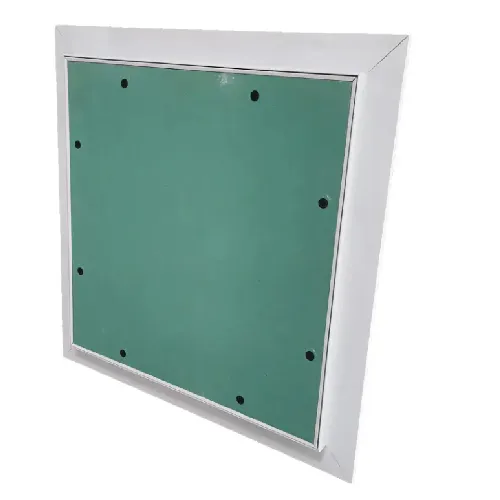
At its simplest: a plastic ceiling access panel is an installed fixture that provides removable access to a ceiling void, where electrical wiring, plumbing, ductwork, and other hidden infrastructure reside. Designed specifically for drywall ceilings, these panels come with frames and hinges that protect the drywall edges and blend seamlessly with the ceiling's finish.
They’re typically made of durable polymers like ABS or PVC, offering resistance to moisture, rust, and wear—vital in spaces like bathrooms or kitchens. For humanitarian or industrial applications, having panels that reduce repair time can improve operational efficiency and even safety.
Mini takeaway: They’re basically smart, durable portals built right into drywall ceilings, designed to keep infrastructure easily serviceable without disruption.
Key Features That Make These Panels Stand Out
1. Durability That Holds Up Over Time
Unlike some metal options prone to rust or corrosion, plastic access panels maintain their integrity for years—even in humid or corrosive environments. The plastic material also resists dents and scratches, which preserves ceiling aesthetics longer.
2. Lightweight and Easy Installation
Many contractors report that plastic panels cut installation time by roughly 30% versus traditional metal panels. Their light weight means less strain during fitting and safer handling on multi-story sites.
3. Flexibility and Custom Sizes
Plastic panels can be molded into a variety of sizes and shapes to meet unique project requirements. Customization includes options for fire-rated panels, soundproofing, or insulation.
4. Cost Efficiency
Typically more affordable than their metal counterparts, plastic ceiling access panels save money upfront without sacrificing quality. Plus, easier installation lowers labor costs.
5. Resistance to Environmental Factors
Humidity, temperature shifts, and exposure to cleaning agents don’t degrade these panels easily, making them ideal for healthcare, hospitality, and industrial settings.
Mini takeaway: These panels combine practical durability with installation ease and cost savings—pretty much ticking all the boxes for modern drywall ceilings.
Specifications at a Glance
| Specification | Detail |
|---|---|
| Material | ABS Plastic / PVC |
| Sizes Available | 6”x6” to 24”x24” (custom sizes on request) |
| Weight | Lightweight (average 0.5-2 kg depending on size) |
| Fire Rating | Available UL94-V0 / ASTM E84 in select models |
| Installation | Snap-fit or screw mount options |
| Finish | Matte white, paintable surface |
Comparing Leading Vendors: What to Expect
| Vendor | Material Quality | Customization | Price Range | Lead Time |
|---|---|---|---|---|
| CeilPro Panels | Industrial grade ABS | Fully custom sizes & colors | $$$ | 2-4 weeks |
| AccessEase | High impact PVC | Standard sizes only | $ | 1-2 weeks |
| SkyLine Solutions | Fire-rated polymer blends | Limited custom options | $$ | 3 weeks |
Real-World Uses: Where Plastic Ceiling Access Panels Shine
These panels are increasingly used not just in commercial and residential buildings, but in healthcare centers, schools, and even temporary structures built post-disasters. For example, in regions recovering from natural disasters, rapid ceiling inspections are needed for electrical safety; plastic access panels make such inspections less invasive and faster.
Industrially, factories benefit when panels provide quick access to complex duct systems. In offices and retail environments, their sleek design supports aesthetic demands without compromising access.
Even military and humanitarian organizations value plastic panels for shelter projects because lightweight and corrosion-resistant plastics handle harsh environments well.
Mini takeaway: From disaster zones to corporate buildings, these access panels serve a variety of unique, vital roles.
The Lasting Advantages: More Than Meets the Eye
- Cost savings: Lower material and labor costs add up over time.
- Sustainability: Many panels are recyclable and have low maintenance footprints.
- Safety: Fire-rated options improve building compliance.
- Design freedom: Paintable surfaces mean no compromise on interior aesthetics.
- Trust: Reliable access means fewer surprises during maintenance.
It's the kind of building component that saves money quietly, but earns trust loudly.
Looking Ahead: Innovations on the Horizon
The future points towards even smarter plastic ceiling access panels. I’ve seen prototypes integrating RFID tags to track maintenance history right through the panel—or embedded sensors to detect humidity changes inside ceiling cavities. There’s also growing interest in bioplastics and recycled materials to make these panels greener.
Automation in manufacturing means quicker custom batch runs, and digital transformation allows installers to plan more precise fits using 3D modeling tools. It’s exciting how what once seemed 'just a panel' is evolving into a nexus of form, function, and technology.
Common Challenges and Practical Fixes
Sometimes, the thinner material can feel less sturdy than metal, which worries some engineers. But reinforced frame designs and fire-retardant treatments help bridge that gap. Sizing mismatches are a frequent cause of headaches; that’s why getting custom dimensions right from the start saves so much hassle.
Humidity can occasionally cause warping, especially in very moist environments—but choosing panels with appropriate thickness and sealing can mitigate that issue.
Frankly, good installation is half the battle. Many complaints I’ve heard boil down to rushed fits or incorrect panel choices rather than material limitations.
FAQ: Practical Questions About Plastic Ceiling Access Panels
Q1: Are plastic ceiling access panels durable enough for industrial use?
A: Absolutely. Many are made of high-impact ABS or PVC plastics designed to resist moisture, impact, and chemicals common in industrial settings. Fire-rated versions also meet safety standards required for commercial buildings.
Q2: Can I customize the size or finish of these access panels?
A: Most reputable manufacturers offer custom sizing and paintable surfaces, which lets you match your ceiling aesthetics easily. Just check lead times as bespoke orders usually take a bit longer.
Q3: How do plastic panels compare cost-wise to metal ones?
A: They tend to be more affordable upfront and reduce labor costs due to lighter weight and easier installation. Over time, maintenance savings due to durability add to the value.
Q4: Are these panels suitable for damp or wet environments?
A: Yes, many plastic panels are moisture-resistant and ideal for bathrooms or kitchens. Just ensure you select models with proper sealing features to prevent warping.
Q5: Where can I buy reliable plastic ceiling access panels for drywall?
A: Trusted suppliers offer both standard and customized options. For example, you can browse plastic ceiling access panels for drywall for a range of quality products tailored to your needs.
Wrapping Up: Why Smart Access Panels Matter
When you’re thinking about building maintenance, safety compliance, and cost-efficient repairs, plastic ceiling access panels for drywall stand out as an unassuming but vital part of the equation. They protect ceiling finishes, offer quick access, and adapt to modern construction demands with a lightweight, durable design. If you want to future-proof your building infrastructure, they’re definitely worth considering.
So next time you glance at that plain, white ceiling, remember: behind it might lie a thoughtfully engineered portal designed to make life and building management just that little bit easier.
Ready to explore options? Visit plastic ceiling access panels for drywall for product details and consultations.
References:
1. ISO 21542:2011 - Building construction — Accessibility and usability of the built environment
2. World Bank - Urban Development Overview
3. Wikipedia: Access Panels
-
Benefits and Guide of Mineral Fiber Ceiling Board for InteriorsNewsApr.16,2026
-
Modern Mineral Fiber Ceiling Solutions for Acoustic PerformanceNewsApr.09,2026
-
Mineral Fibre Board Ceiling vs Gypsum Board A Comprehensive Comparison GuideNewsApr.07,2026
-
Comprehensive Guide to Mineral Fiber Ceiling Specification and PerformanceNewsApr.04,2026
-
What Are Mineral Fiber Ceiling Tiles Made Of And Their ApplicationsNewsMar.31,2026
-
Exploring the Benefits of Suspended Mineral Fibre Ceiling Systems for Modern BuildingsNewsMar.28,2026