
Sep . 11, 2025 09:40 Back to list
PVC Gypsum Ceiling: Durable, Stylish & Affordable Tiles
Introduction to Advanced PVC Gypsum Ceiling Solutions
In contemporary commercial and institutional architecture, the selection of ceiling materials significantly impacts not only the aesthetic appeal but also the functional performance of interior spaces. One of the most versatile and high-performance solutions available today is the PVC Gypsum Ceiling. This engineered product combines the inherent stability and fire resistance of a gypsum core with the enhanced durability, moisture resistance, and aesthetic versatility of a PVC laminated surface. Designed to meet the rigorous demands of modern construction, these ceiling systems offer a compelling balance of performance, cost-effectiveness, and design flexibility, making them a preferred choice for architects, developers, and facility managers across a multitude of sectors.
Our discussion will delve into the comprehensive aspects of this advanced building material, covering its meticulous manufacturing process, detailed technical specifications, diverse application scenarios, and the tangible advantages it presents over traditional ceiling options. We will also explore industry trends, customization potential, and crucial factors for vendor evaluation, reinforced by real-world application insights and adherence to stringent quality standards.
Process Flow: Manufacturing of PVC Gypsum Ceiling
The production of high-quality PVC Gypsum Ceiling tiles involves a precise, multi-stage manufacturing process that ensures consistency, durability, and compliance with international standards. This intricate process transforms raw materials into sophisticated ceiling solutions.
Key Materials:
- High-Purity Gypsum Plaster: Forms the core, providing inherent fire resistance, structural stability, and acoustic properties.
- Fiberglass Reinforcement: Integrated into the gypsum core to enhance flexural strength and impact resistance.
- PVC Film: A durable, decorative, and protective layer laminated onto the gypsum board. It offers moisture resistance, ease of cleaning, and a wide array of aesthetic finishes.
- Aluminum Foil (Optional Backing): Applied to the reverse side for enhanced thermal insulation and moisture barrier properties, particularly critical in humid environments.
- Adhesives: Specially formulated, eco-friendly adhesives for robust lamination.
Manufacturing Process Steps:
- Gypsum Slurry Preparation: High-grade gypsum plaster is precisely mixed with water, fiberglass, and other additives to form a consistent slurry.
- Casting and Forming: The slurry is continuously cast onto a moving conveyor belt, where it is precisely formed into the desired board thickness and width. This stage ensures the structural integrity of the gypsum core.
- Initial Setting and Drying: The cast gypsum boards undergo an initial setting phase followed by controlled drying in kilns. This process removes excess moisture, solidifying the board and achieving optimal hardness and stability.
- Cutting and Sizing: Dried gypsum boards are accurately cut to specified dimensions (e.g., 600x600mm, 600x1200mm) using advanced CNC machining to ensure precise edges and uniform sizing.
- PVC Lamination: A pre-selected PVC film is meticulously laminated onto the front surface of the gypsum board using specialized machinery and high-strength adhesives. This critical step provides the protective and decorative finish. If specified, an aluminum foil backing is applied to the reverse side simultaneously.
- Edge Sealing (Optional): For enhanced moisture protection and aesthetic finish, board edges may be sealed.
- Quality Control & Testing: Throughout the process, rigorous testing is conducted. This includes checks for board density, surface flatness, dimensional accuracy, adhesion strength of the PVC film, and fire resistance properties according to standards like ASTM E84 (Surface Burning Characteristics) and ASTM C1396 (Standard Specification for Gypsum Board). Manufacturing facilities adhere strictly to ISO 9001:2015 quality management systems.
- Packaging: Finished PVC Gypsum Ceiling tiles are carefully stacked, wrapped, and packaged to prevent damage during transit and storage.
The typical service life for a well-installed PVC Gypsum Ceiling can exceed 15-20 years under normal indoor conditions, largely due to the durability of the gypsum core and the protective PVC laminate. These products are extensively used in target industries such as commercial offices, healthcare facilities, educational institutions, retail spaces, and hospitality venues, where high performance, hygiene, and aesthetic appeal are paramount.
Technical Specifications and Performance Parameters
Understanding the precise technical specifications of PVC Gypsum Ceiling tiles is crucial for architects and engineers to ensure optimal product selection for specific project requirements. These parameters dictate the functional performance and suitability of the material for various environments.
Key Parameters Explained:
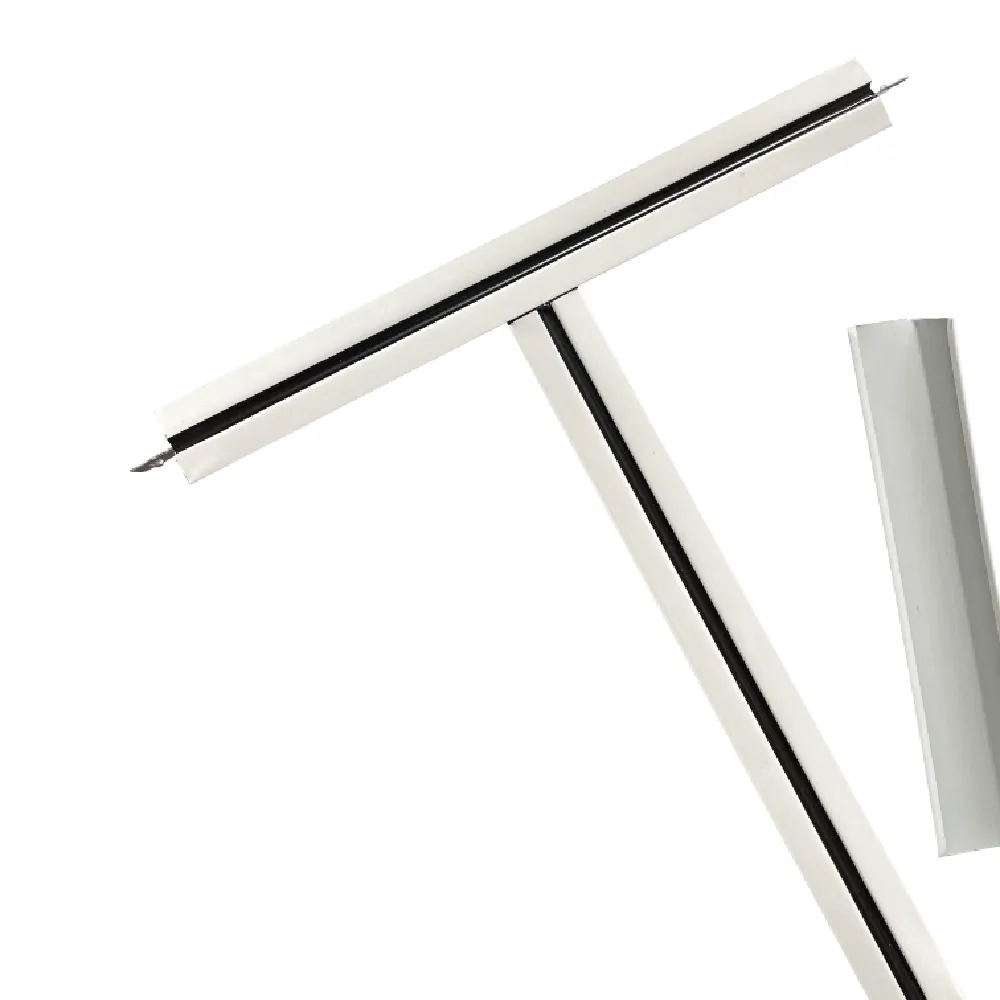
- Dimensions: Standard tile sizes are 595x595mm (600x600mm nominal) and 595x1195mm (600x1200mm nominal), ensuring compatibility with standard grid systems.
- Thickness: Typically ranges from 7.0mm to 12.0mm, influencing structural rigidity, fire rating, and acoustic performance.
- Density: Measures the mass per unit volume, directly impacting the board's strength, sound insulation, and fire resistance. High-density boards offer superior performance.
- Thermal Conductivity (k-value): Indicates the material's ability to conduct heat. Lower values signify better insulation properties, contributing to energy efficiency.
- Fire Resistance Rating: Gypsum's inherent non-combustibility, combined with the PVC laminate, provides excellent fire safety. Ratings are typically Class A (Surface Burning Characteristics per ASTM E84).
- Sound Absorption Coefficient (NRC): Measures the percentage of sound energy absorbed by the material. Higher NRC values indicate better acoustic control, essential for noise reduction in commercial spaces.
- Light Reflectance: The percentage of visible light reflected by the ceiling surface. High reflectance maximizes natural and artificial light distribution, reducing the need for additional lighting and contributing to energy savings.
- Moisture Resistance: The PVC laminate provides a barrier against humidity and minor splashes, preventing water absorption into the gypsum core, thus enhancing durability in areas prone to moisture.
- VOC Emissions: Adherence to low VOC (Volatile Organic Compounds) standards, ensuring healthy indoor air quality.
Typical Technical Specifications of PVC Gypsum Ceiling Tiles
| Parameter | Unit | Typical Value (7.5mm) | Typical Value (9.0mm) |
|---|---|---|---|
| Standard Dimensions | mm | 595x595, 595x1195 | 595x595, 595x1195 |
| Thickness | mm | 7.5 ± 0.5 | 9.0 ± 0.5 |
| Density | kg/m³ | 700 - 750 | 720 - 780 |
| Weight | kg/m² | ~5.6 - 6.0 | ~6.5 - 7.0 |
| Thermal Conductivity | W/m·K | 0.16 | 0.16 |
| Fire Resistance (ASTM E84) | Class | A (Flame Spread ≤ 25) | A (Flame Spread ≤ 25) |
| Sound Absorption (NRC) | 0.15 - 0.20 | 0.18 - 0.22 | |
| Light Reflectance | % | >80% | >80% |
| Moisture Content | % | ||
| Humidity Resistance | % RH | Up to 90% (Non-condensing) | Up to 90% (Non-condensing) |
These specifications highlight why PVC Gypsum Ceiling solutions, including PVC gypsum ceiling tiles and PVC laminated gypsum ceiling board, are engineered for demanding environments where performance, safety, and longevity are non-negotiable.
Industry Trends and Market Dynamics
The market for advanced ceiling solutions, including PVC gypsum ceiling tiles, is constantly evolving, driven by several key industry trends and dynamic market forces. Staying abreast of these developments is essential for strategic planning and product development.
Key Drivers and Trends:
- Sustainable and Green Building Initiatives: There is a growing demand for building materials with lower environmental impact. Manufacturers are responding by exploring recycled content in gypsum cores and using low-VOC PVC films, aligning with certifications like LEED and WELL Building Standard.
- Emphasis on Indoor Air Quality (IAQ): With increased awareness of health and wellness, products that contribute to superior IAQ are highly sought after. Low-VOC and formaldehyde-free PVC laminated gypsum ceiling tiles are becoming standard requirements.
- Acoustic Performance Requirements: Noise pollution in open-plan offices, educational institutions, and healthcare settings necessitates advanced acoustic solutions. Innovations in ceiling tile design, including perforations and specialized backings, are enhancing sound absorption properties.
- Hygiene and Anti-Microbial Properties: Particularly in healthcare, food processing, and educational environments, the demand for easily cleanable and anti-microbial surfaces is critical. PVC's non-porous nature, coupled with optional anti-bacterial coatings, positions PVC gypsum ceiling as an ideal solution.
- Pre-fabricated and Modular Construction: The shift towards off-site construction and modular building methods favors ceiling systems that are easy and quick to install, reducing on-site labor and project timelines.
- Aesthetic Versatility and Customization: Architects and designers increasingly seek materials that offer a wide range of colors, textures, and patterns to achieve unique interior aesthetics without compromising performance. Digital printing on PVC films allows for virtually limitless design possibilities.
- Durability and Low Maintenance: Facility managers prioritize materials that offer long service life and require minimal maintenance, translating to lower operational costs over time. The robust nature of PVC laminated gypsum board meets this demand.
These trends underscore the importance of continuous innovation and adaptation in the manufacturing of PVC gypsum ceiling products to remain competitive and relevant in a rapidly evolving construction landscape. Understanding these dynamics is key to making informed procurement decisions.
Application Scenarios and Usage
The inherent properties of PVC Gypsum Ceiling tiles make them exceptionally suitable for a diverse range of application scenarios where aesthetic appeal, functional performance, and stringent compliance requirements converge.
Typical Application Environments:
- Commercial Offices and Corporate Buildings: Providing a clean, professional aesthetic, superior light reflectance, and crucial acoustic control for productive work environments. The easy maintenance of PVC laminated gypsum ceiling tiles also contributes to lower facility management costs.
- Healthcare Facilities (Hospitals, Clinics, Laboratories): Critical for maintaining sterile and hygienic conditions. The non-porous, washable PVC surface resists bacterial growth and allows for easy disinfection, meeting strict clinical standards. Additionally, the fire resistance of the gypsum core is a vital safety feature.
- Educational Institutions (Schools, Universities): Offering durability against wear and tear, excellent sound absorption for lecture halls and classrooms, and bright, inviting spaces conducive to learning. Their robust construction handles the demands of high-traffic areas.
- Retail Spaces and Shopping Malls: Used for creating visually appealing interiors that enhance brand image and customer experience. The versatility in patterns and finishes allows for unique design statements, while easy access to plenum spaces is beneficial for frequent changes to displays or lighting.
- Hospitality Sector (Hotels, Restaurants): Contributing to luxurious and comfortable atmospheres through superior aesthetics and effective sound dampening in lobbies, guest rooms, and dining areas. The longevity and ease of cleaning reduce operational overheads.
- Data Centers and Server Rooms: Where controlled environments are paramount. The stability, dust resistance, and potential for integrated thermal barriers (with foil backing) help maintain optimal operating conditions for sensitive equipment.
- Clean Rooms: In certain manufacturing or research facilities, the smooth, non-shedding, and easily cleanable surface of PVC laminated gypsum ceiling board aids in preventing particulate contamination.
These applications demonstrate the product's adaptability and ability to meet diverse functional and aesthetic demands, reinforcing its position as a leading choice for modern interior construction.
Key Technical Advantages of PVC Gypsum Ceiling
The integration of a gypsum core with a PVC laminate confers a multitude of technical advantages that position PVC Gypsum Ceiling as a superior choice for discerning professionals in the B2B construction sector.
Comprehensive Advantages:
- Exceptional Fire Resistance: The gypsum core is inherently non-combustible and contains chemically combined water (CaSO₄·2H₂O). In the event of fire, this water is slowly released as steam, which helps to cool the surface and delay heat transfer, providing crucial passive fire protection as per ASTM E84 Class A ratings.
- Superior Moisture and Humidity Resistance: The PVC film laminated onto the gypsum board acts as a highly effective barrier against moisture ingress and high humidity. This significantly reduces the risk of sagging, warping, or mold growth, making PVC laminated gypsum ceiling tiles ideal for bathrooms, kitchens, and other moisture-prone areas within commercial settings.
- Enhanced Thermal Insulation: When paired with an aluminum foil backing, PVC gypsum ceiling tiles contribute to improved thermal performance. The gypsum core itself has insulating properties, and the foil acts as a radiant barrier, reducing heat transfer and leading to significant energy savings in heating and cooling costs.
- Effective Acoustic Performance: While not a primary sound absorber, the density and mass of the gypsum core provide a degree of sound attenuation, helping to reduce sound transmission between spaces. Specialized perforations and acoustic backings can further enhance the Noise Reduction Coefficient (NRC) for demanding acoustic environments.
- High Durability and Longevity: The robust construction, combining a strong gypsum core with a resilient PVC surface, ensures long-term performance. This resistance to physical impact, scratching, and general wear and tear results in a extended service life and reduced replacement cycles.
- Optimal Hygiene and Ease of Maintenance: The smooth, non-porous surface of the PVC laminate is exceptionally easy to clean and disinfect, preventing the accumulation of dust, dirt, and microbial growth. This is a critical advantage for healthcare, food service, and educational facilities where hygiene standards are paramount.
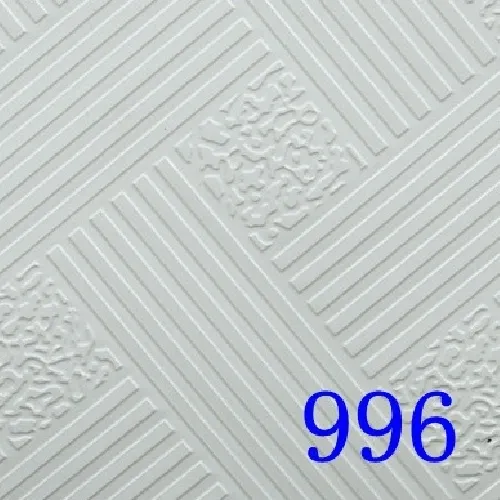
- Versatile Aesthetic Appeal: Available in an extensive array of patterns, colors, and textures – from classic white to wood grains or metallic finishes – PVC laminated gypsum ceiling board offers unparalleled design flexibility, allowing architects to create bespoke interior aesthetics that align with specific project visions.
- Simplified and Rapid Installation: Designed for standard suspended grid systems, these tiles offer quick and straightforward installation, reducing labor costs and project timelines. The modular nature also allows for easy access to plenum spaces for maintenance of utilities.
- Cost-Effectiveness: When considering the combined benefits of durability, low maintenance, energy efficiency, and competitive PVC laminated gypsum board price, these ceilings offer an excellent return on investment over their long lifespan.
These technical advantages underscore the value proposition of PVC Gypsum Ceiling solutions as a premium yet practical choice for modern commercial and institutional construction.
Vendor Comparison and Selection Criteria
Choosing the right supplier for PVC Gypsum Ceiling materials is as critical as selecting the product itself. A thorough vendor comparison ensures reliability, quality, and optimal project outcomes. Key factors to consider extend beyond mere PVC laminated gypsum board price.
Essential Evaluation Criteria:
- Quality Certifications and Compliance: Verify adherence to international standards such as ISO 9001 (Quality Management), CE marking for European markets, ASTM standards for material performance (e.g., fire, moisture, structural integrity), and local building codes.
- Product Range and Customization Capabilities: Assess the breadth of their product portfolio (e.g., different thicknesses, patterns, edge types) and their ability to provide customized solutions to meet unique architectural specifications.
- Manufacturing Expertise and Technology: Inquire about their manufacturing processes, the technology utilized (e.g., CNC precision cutting, advanced lamination lines), and their quality control protocols.
- Lead Time and Supply Chain Reliability: Evaluate their capacity to meet project deadlines, particularly for large-scale or time-sensitive installations. A robust supply chain and efficient logistics are paramount.
- Technical Support and After-Sales Service: Determine the level of technical assistance offered, including installation guidance, product data sheets, and responsive after-sales support for any issues or queries.
- Environmental and Sustainability Practices: Consider their commitment to sustainable manufacturing, use of recycled content, low VOC emissions, and responsible waste management.
- Reputation and Experience: Examine their track record, years of service in the industry, client testimonials, and portfolio of successful projects. A vendor with established authority and trustworthiness is invaluable.
Comparative Analysis of PVC Gypsum Ceiling Providers (Illustrative)
| Feature/Criterion | Vendor A (Premium) | Vendor B (Standard) | Vendor C (Economy) |
|---|---|---|---|
| Quality Certifications | ISO 9001, CE, ASTM, GreenGuard | ISO 9001, CE | Basic QC checks |
| Product Range & Customization | Extensive, Full Customization | Standard, Limited Customization | Basic Patterns/Sizes |
| Technical Support | Comprehensive (CAD, On-site) | Standard Documentation | Minimal |
| Lead Time (Typical) | 2-3 Weeks | 3-5 Weeks | 4-6 Weeks or longer |
| Environmental Practices | Advanced (Recycled content, Low VOC, Waste mgmt.) | Standard (Low VOC) | Limited |
| Pricing (Relative) | High | Medium | Low |
Customized Solutions and Design Integration
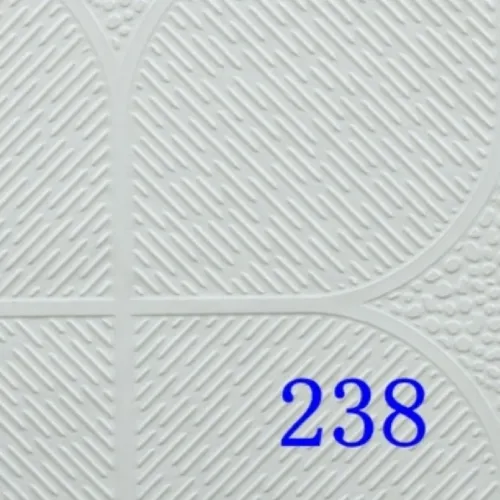
The adaptability of PVC Gypsum Ceiling systems extends significantly into customized solutions, enabling architects and designers to achieve highly specific aesthetic and functional objectives. This flexibility is a key differentiator in complex B2B projects.
Tailored Options for Architectural Vision:
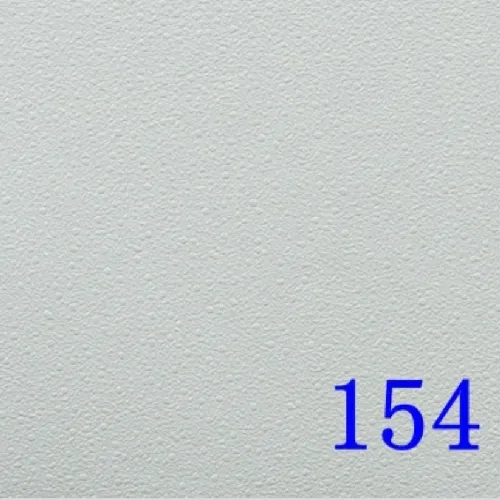
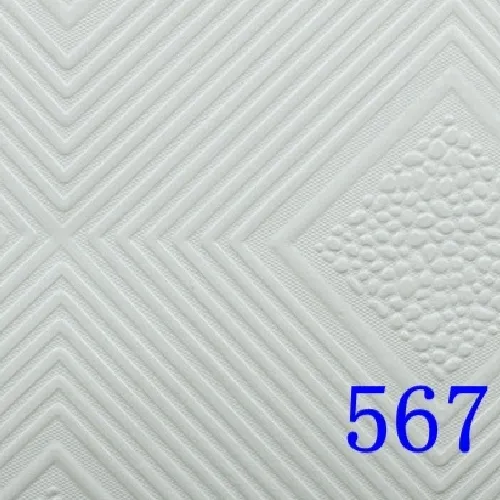
- Diverse PVC Film Patterns and Textures: Beyond standard white, customization includes a vast selection of patterns such as wood grain, metallic finishes, textured embossed designs, or even bespoke digital prints that can replicate specific brand aesthetics or artistic concepts.
- Custom Colors and Sheens: Manufacturers can match specific RAL or Pantone color codes, offering various levels of sheen from matte to high-gloss, ensuring seamless integration with overall interior design palettes.
- Non-Standard Dimensions and Shapes: While standard sizes cater to most applications, specialized projects may require custom-cut dimensions or unique shapes. Advanced CNC capabilities allow for precise fabrication to meet these bespoke requirements.
- Integrated Lighting and HVAC Solutions: Customized ceiling panels can be pre-cut or designed to seamlessly integrate various building services, including recessed lighting fixtures, HVAC diffusers, sprinklers, and security cameras, maintaining a clean and uncluttered ceiling plane.
- Acoustic Enhancements: For spaces demanding higher noise reduction, PVC laminated gypsum ceiling tiles can be supplied with perforations and acoustic fleece backings to significantly improve sound absorption, tailored to the specific NRC requirements of the space.
- Functional Coatings: Beyond basic PVC, specialized films can be applied that offer anti-microbial properties, enhanced stain resistance, or specific chemical resistance for highly demanding environments like laboratories or industrial kitchens.
By offering such a wide range of customization, manufacturers of PVC Gypsum Ceiling products empower clients to transform their architectural visions into reality, ensuring that the ceiling not only performs optimally but also serves as an integral element of the interior's design narrative.
Application Case Studies
Real-world application demonstrates the tangible benefits and versatility of PVC Gypsum Ceiling solutions. Here are illustrative case studies highlighting their successful deployment:
Case Study 1: Major Corporate Headquarters
- Client: Global Financial Services Firm
- Challenge: To create an executive floor and open-plan office environment that exuded professionalism, offered superior acoustics for privacy in meeting rooms, and maintained a clean, contemporary aesthetic.
- Solution: Installation of 7.5mm PVC Gypsum Ceiling tiles with a high-gloss white finish and subtle texture in common areas, and perforated acoustic PVC laminated gypsum ceiling tiles in conference rooms and executive offices. The high light reflectance minimized the need for excessive artificial lighting, contributing to energy savings.
- Outcome: Achieved a sleek, modern look with exceptional indoor acoustics, facilitating productive work and confidential discussions. The low maintenance PVC surface ensured the pristine appearance was sustained with minimal effort. Customer feedback highlighted improved sound comfort and a perception of high-quality finish.
Case Study 2: Regional Hospital Renovation
- Client: Public Health Authority
- Challenge: Upgrading patient rooms, corridors, and treatment areas to meet stringent hygiene standards, enhance fire safety, and withstand frequent cleaning, while minimizing disruption during renovation.
- Solution: Implementation of 9.0mm PVC laminated gypsum ceiling board with anti-microbial PVC film and aluminum foil backing. The tiles were selected for their ease of cleaning, moisture resistance, and Class A fire rating. The modular grid system allowed for rapid installation and access to essential services above the ceiling without significant operational downtime.
- Outcome: A demonstrably cleaner, safer, and more durable environment for patients and staff. The ceilings effectively resisted moisture from cleaning agents and provided peace of mind regarding infection control. The quick installation significantly reduced project duration, allowing for faster return to service for critical hospital wings.
Case Study 3: National Retail Chain Expansion
- Client: Leading Electronics Retailer
- Challenge: Standardizing interior finishes across dozens of new store locations, requiring a ceiling solution that was visually consistent, robust against retail traffic, and offered quick, repeatable installation for rapid store rollouts.
- Solution: Procurement of custom-patterned PVC laminated gypsum ceiling tiles that matched the brand's specific corporate identity. The durability of the PVC surface ensured resistance to scuffs and scratches often encountered during store fit-outs and operations. The modular design enabled efficient installation across various store layouts.
- Outcome: Achieved a consistent, high-quality aesthetic across all new stores, reinforcing brand image. The ease and speed of installation were critical factors in meeting aggressive expansion timelines. The tiles also allowed for simple integration of display lighting and security systems.
Trustworthiness & Support
Establishing and maintaining trust with B2B clients is paramount. This section outlines our commitment to transparency, reliability, and comprehensive support for our PVC Gypsum Ceiling products.
Frequently Asked Questions (FAQ)
- Q1: What is the primary difference between standard gypsum board and PVC Gypsum Ceiling?
- A1: Standard gypsum board is unfinished and typically requires taping, jointing, and painting. PVC Gypsum Ceiling, specifically PVC laminated gypsum ceiling tiles, feature a factory-applied PVC film and often an aluminum foil backing, making them a finished product that offers enhanced moisture resistance, ease of cleaning, and decorative versatility without additional finishing work.
- Q2: Are these ceilings suitable for high-humidity environments?
- A2: Yes, the PVC laminate provides excellent resistance to humidity and moisture, making PVC laminated gypsum ceiling board suitable for areas like commercial kitchens, restrooms, and laundries, provided they are not exposed to direct water spray or prolonged saturation.
- Q3: What is the fire rating of your PVC Gypsum Ceiling products?
- A3: Our products consistently achieve a Class A fire rating for surface burning characteristics according to ASTM E84, owing to the inherent fire-resistant properties of the gypsum core.
- Q4: Can these ceiling tiles be recycled?
- A4: While the gypsum core is recyclable, the lamination with PVC complicates the recycling process for the composite tile. However, manufacturers are increasingly exploring innovative methods for material separation and incorporating recycled content in new products to enhance sustainability.
Lead Time and Fulfillment
We understand the critical importance of timely delivery for construction projects. Our standard lead time for stocked PVC Gypsum Ceiling products is typically 2-3 weeks from order confirmation, depending on volume and customization requirements. For large-scale or highly customized orders, lead times may extend to 4-6 weeks. We maintain robust inventory levels and efficient logistics networks to ensure reliable and expedited fulfillment, collaborating closely with clients to meet specific project schedules and critical deadlines. Detailed order tracking and proactive communication are standard practice.
Warranty Commitment
We stand behind the quality and durability of our PVC Gypsum Ceiling products. All our ceiling tiles are backed by a comprehensive 10-year limited warranty against manufacturing defects, delamination, and excessive sagging under normal indoor environmental conditions. This warranty reflects our confidence in our stringent quality control processes and the superior materials used in our production. Full warranty details, terms, and conditions are available upon request.
Customer Support and After-Sales Service
Our commitment to our clients extends far beyond product delivery. We provide dedicated customer support and comprehensive after-sales service. Our technical team is available to offer expert advice on product selection, installation best practices, maintenance guidelines, and troubleshoot any potential issues. Clients can access technical data sheets, installation guides, and safety information via our website or directly through our support channels. We also offer training sessions for installation teams, ensuring optimal performance and longevity of our PVC Gypsum Ceiling systems. Your project's success is our priority.
Conclusion
The PVC Gypsum Ceiling stands as a testament to advanced building material science, offering a multifaceted solution that addresses the complex demands of modern commercial and institutional construction. Its robust composition delivers superior fire resistance, exceptional moisture protection, effective thermal and acoustic insulation, and remarkable durability. Coupled with aesthetic versatility and ease of maintenance, these ceiling systems provide a compelling value proposition for architects, developers, and facility managers alike. By choosing high-quality PVC gypsum ceiling tiles from reputable manufacturers, clients ensure their projects benefit from enhanced safety, longevity, operational efficiency, and a refined interior environment.
The continued evolution of this product, driven by industry trends towards sustainability and improved indoor air quality, reinforces its role as a foundational element in high-performance building design. Investing in PVC Gypsum Ceiling is an investment in the long-term integrity, functionality, and aesthetic excellence of any built environment.
References
- ASTM International. (n.d.). ASTM C1396/C1396M: Standard Specification for Gypsum Board. Retrieved from www.astm.org
- ISO. (n.d.). ISO 9001: Quality management systems – Requirements. Retrieved from www.iso.org
- Gypsum Association. (n.d.). Fire Resistance Design Manual. Retrieved from www.gypsum.org
- US Green Building Council. (n.d.). LEED Certification. Retrieved from www.usgbc.org
- WELL Building Institute. (n.d.). WELL Building Standard. Retrieved from www.wellcertified.com
-
Benefits and Guide of Mineral Fiber Ceiling Board for InteriorsNewsApr.16,2026
-
Modern Mineral Fiber Ceiling Solutions for Acoustic PerformanceNewsApr.09,2026
-
Mineral Fibre Board Ceiling vs Gypsum Board A Comprehensive Comparison GuideNewsApr.07,2026
-
Comprehensive Guide to Mineral Fiber Ceiling Specification and PerformanceNewsApr.04,2026
-
What Are Mineral Fiber Ceiling Tiles Made Of And Their ApplicationsNewsMar.31,2026
-
Exploring the Benefits of Suspended Mineral Fibre Ceiling Systems for Modern BuildingsNewsMar.28,2026