
Nov . 29, 2025 18:00 Back to list
Reliable 22 x 30 Ceiling Access Panel – Durable, Fire-Rated, Easy Maintenance Solution
Why the 22 x 30 Ceiling Access Panel Matters More Than You Think
At first glance, a 22 x 30 ceiling access panel might strike you as just another piece of building hardware — a simple hatch up in the ceiling for maintenance. But if you pause and consider it deeply, you’ll find it’s really a small hero in building design, infrastructure maintenance, and even safety worldwide. Whether it’s in giant office towers, hospitals, or refugee shelters, these panels offer essential access points for electrical, HVAC, and safety systems that keep our buildings running smoothly.
Understanding these panels, especially the popular 22 x 30 size, unlocks insights about cost savings, durability, and the subtle art of thoughtful engineering that ensures buildings are safer and easier to maintain — for decades to come.
Global Context: Why a 22 x 30 Ceiling Access Panel is a Key Player in Infrastructure Maintenance
Globally, the construction and building maintenance sector is booming. According to the World Bank, urban populations are expected to continue rising dramatically, putting pressure on building technologies. Access panels become indispensable when you consider that routine maintenance — from air conditioning to fire alarms — cannot be compromised by poorly designed access points.
ISO standards for building maintenance emphasize the need for durable and easy-to-use access panels to minimize downtime and enhance worker safety. Unfortunately, many buildings still rely on makeshift or ill-fitting access solutions, causing delays and increased labor costs — and frankly, a lot of headaches for maintenance crews.
That’s where the practical, standardized 22 x 30 ceiling access panel comes in: it strikes a balance between accessibility and ceiling aesthetics, offering a go-to size that works well across a wide array of applications, from commercial offices to industrial plants.
What Exactly is a 22 x 30 Ceiling Access Panel?
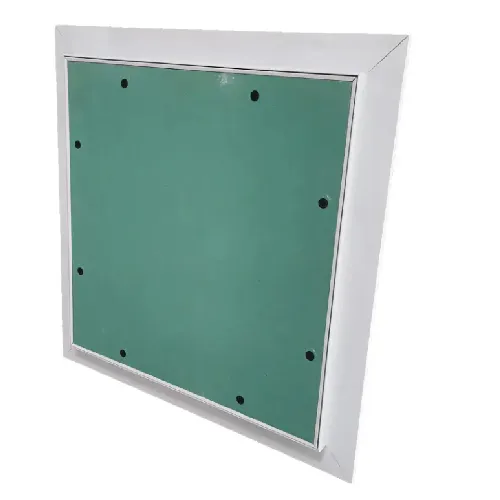
Simply put, this access panel is an opening — typically framed and fitted with a removable or hinged door — measuring 22 by 30 inches. It’s installed flush into a ceiling system and designed to provide fast access to the concealed spaces above, where crucial utility installations sit.
Think of it like a secret door that gives electricians or plumbers just the right-sized window to do their jobs efficiently. Not too big, so it compromises the ceiling's stability or thermal performance; and not too small to make working cramped and frustrating.
In modern construction, the 22 x 30 panel is quite popular because it fits most standard suspended ceilings and drywall installations, which are common in offices, hospitals, schools, and even emergency shelters.
Core Features That Make These Panels Work
Durability and Material Quality
Most 22 x 30 ceiling access panels are made from lightweight but sturdy aluminum or galvanized steel — materials chosen for corrosion resistance and longevity. They can withstand frequent opening and closing without deforming, which appeals to all maintenance managers who despise replacing worn-out hardware every couple of years.
Fire and Safety Compliance
Many panels come with fire-rated options complying with strict fire safety codes. In spaces like hospitals or commercial buildings, having access panels that don’t compromise the fire barrier is crucial.
Ease of Installation
Installation shouldn’t cause weeks of extra work, and for the 22 x 30 ceiling access panel, it often doesn’t. Many versions are designed for quick snap-in installation or screw mounting. Some vendors offer adjustable frames that adapt to slightly uneven ceilings, which is pretty handy in older buildings.
Aesthetic Integration
Because access panels sit right in the middle of your ceiling, many models offer clean, flush designs and paintable surfaces for a subtle look that blends in rather than screams “maintenance hatch.” After all, nobody wants an eyesore on their nice ceiling.
Locking Mechanisms and Security
Depending on the application, security locks or tamper-proof features come standard on many products. This is especially important in sensitive environments like data centers or laboratories.
Product Specification Table for Typical 22 x 30 Ceiling Access Panel
| Feature | Specification |
|---|---|
| Dimensions | 22" x 30" (standard) |
| Material | Aluminum / Galvanized Steel |
| Finish | Powder-coated, Paintable |
| Fire Rating | Up to 1-hour rated options |
| Access Type | Hinged / Removable Door |
| Security | Optional locking |
Mini takeaway: The 22 x 30 panel is a perfect blend of standard sizing, materials, and safety to suit countless installation needs worldwide.
Who Uses These Panels? Global Applications & Use Cases
From high-rise office buildings in New York to hospitals in Germany and remote factories in Southeast Asia, the 22 x 30 ceiling access panel is ubiquitous. It’s preferred wherever decent-sized access is essential, yet you want to keep aesthetics tight.
- Post-disaster relief shelters: Quick access to makeshift electrical and ventilation setups can be life-saving.
- Commercial skyscrapers: These panels enable rooftop HVAC and sprinkler systems to be serviced without disrupting occupants.
- Industrial zones: Many factories install these panels above machinery to scope risky electrical systems.
- Educational facilities: Schools often require quick access to cabling runs, making these panels practical.
Interestingly, some NGOs involved in emergency housing supply customized access panels matching this size to facilitate future expansions or fixes. It feels like a tiny piece of foresight that can save tons of time when scaling camp infrastructure.
Vendor Comparison Table: Top 3 Access Panel Suppliers
| Vendor | Materials & Finish | Fire-Rated Models | Price Range | Customization Options |
|---|---|---|---|---|
| Acme Panels | Aluminum, Powder Coated | Yes (up to 60 mins) | $$$ | Custom paint, locks |
| BuildEase | Galvanized Steel | Limited models | $$ | Standard sizes only |
| SafeAccess Panels | Aluminum & Steel Hybrid | Yes (up to 90 mins) | $$$$ | Full custom sizing & finishes |
Price range relative, from $ = budget to $$$$ = premium
Why Invest in Quality 22 x 30 Ceiling Access Panels? Advantages & Long-Term Gains
Getting these panels right pays off. Quite literally. Cheaper panels can corrode, warp or jam. That means more downtime and higher costs. But choosing proven designs with solid material not only reduces operating expenses but improves safety — a huge emotional reassurance for property owners.
On a sustainability note, many manufacturers now offer recyclable materials and powder coatings that don’t damage indoor air quality, which aligns with global efforts like the ISO 14001 environmental management standard. So you get performance and peace of mind.
As a user once told me, “It’s the little things — like a 22 x 30 access panel that just fits, opens easily, and looks sleek — that make maintenance days so much less painful.” It might sound trivial, but these small conveniences add up.
What’s Next? Future Trends in Access Panels
Looking ahead, manufacturers are exploring digital smart access panels. Imagine integrated sensors that detect humidity or unauthorized access. This meshes with the broader smart building movement gaining momentum worldwide.
Also, new composite materials promise panels lighter than aluminum with similar strength and enhanced fire resistance. Plus, sustainable manufacturing processes will only become more important, driven by stricter global regulations and customer demand.
Overcoming Challenges: Common Problems & Their Fixes
One ongoing hurdle is improper sizing or installation, which can cause ceiling damage or misalignment. The solution? Early planning and flexible frame designs adjust to imperfect fields.
Another complaint I’ve often heard: locks that jam or hinges that rust. Higher-quality hardware and preventative coatings solve these, but they come at a slight upfront expense. Still, the cost tradeoff is worthwhile in busy facilities.
Frequently Asked Questions About 22 x 30 Ceiling Access Panels
- Q1: Are 22 x 30 ceiling access panels suitable for outdoor use?
- A: Typically, these panels are designed for interior ceilings only. For outdoor or exterior applications, specialized weatherproof panels are recommended to resist moisture and temperature extremes.
- Q2: How easy is it to install a 22 x 30 access panel in an existing ceiling?
- A: For standard drop ceilings or drywall, installation is relatively straightforward with the proper tools. However, older buildings may require additional framing or cutting precision to avoid ceiling damage.
- Q3: Can I paint the panel to match my ceiling color?
- A: Yes, most panels come with paintable surfaces, allowing you to apply standard latex or oil-based paints to blend seamlessly with your ceiling.
- Q4: Do these panels comply with fire safety codes?
- A: Fire-rated versions are available that comply with regional safety standards up to 1 hour. It’s important to select the right model if fire safety is a concern.
- Q5: Where can I buy reliable 22 x 30 ceiling access panels?
- A: You can source quality panels from specialized building suppliers or online vendors. For a start, check out 22 x 30 ceiling access panel offerings on dedicated ceiling access stores.
Conclusion: A Small Door with Big Impact
It might seem humble, but the 22 x 30 ceiling access panel is a cornerstone of reliable building maintenance, safety, and design. Its standard size hits a sweet spot for functionality, aesthetic, and compliance across countless buildings worldwide.
In a world where efficiency and safety are king, investing in good-quality access panels saves money, time, and stress — and supports sustainable, long-term infrastructure. If you’re curious to explore more options or need tailored solutions, why not visit 22 x 30 ceiling access panel suppliers?
Anyway, next time you look up at a ceiling, maybe take a closer look at that little rectangular door. It’s quietly holding a lot of potential within.
References:
-
Benefits and Guide of Mineral Fiber Ceiling Board for InteriorsNewsApr.16,2026
-
Modern Mineral Fiber Ceiling Solutions for Acoustic PerformanceNewsApr.09,2026
-
Mineral Fibre Board Ceiling vs Gypsum Board A Comprehensive Comparison GuideNewsApr.07,2026
-
Comprehensive Guide to Mineral Fiber Ceiling Specification and PerformanceNewsApr.04,2026
-
What Are Mineral Fiber Ceiling Tiles Made Of And Their ApplicationsNewsMar.31,2026
-
Exploring the Benefits of Suspended Mineral Fibre Ceiling Systems for Modern BuildingsNewsMar.28,2026