
Nov . 20, 2025 10:00 Back to list
T Bar Grid Ceiling: Durable & Modular Ceiling Systems for Global Applications
What Is a T Bar Grid Ceiling and Why It Matters Worldwide
Ever walked into an office or a hospital and glanced up to see that perfectly even ceiling composed of little square panels framed by sleek metal strips? That’s your t bar grid ceiling in action. It’s a basic yet essential architectural feature that holds ceiling tiles or panels in place. Sounds simple, but it’s a globally relevant element that plays a huge role in construction, sustainability, and even disaster relief housing.
The reason why understanding t bar grid ceilings is important isn’t just aesthetic. It’s about efficiency, ease of installation, maintenance, and long-term structural stability in various environments from high-tech factories to refugee camps. Frankly, these grids do a lot of silent heavy lifting in both design and function that many overlook.
Global Context: Why T Bar Grid Ceilings Are Everywhere
According to the International Organization for Standardization (ISO), modular building components like the t bar grid ceiling system have grown by nearly 15% annually worldwide over the last decade. Particularly in regions experiencing rapid urbanization — think China, India, and parts of Africa — the demand for fast, adaptable construction is sky-high.
Yet, the challenge of balancing cost, durability, and sustainability remains front and center. Construction projects need ceilings that can be installed quickly, allow easy access to electrical and HVAC systems, and can withstand environmental rigors. This is where the t bar grid ceiling shines, offering a modular solution that addresses these pain points with remarkable effectiveness.
Defining the T Bar Grid Ceiling
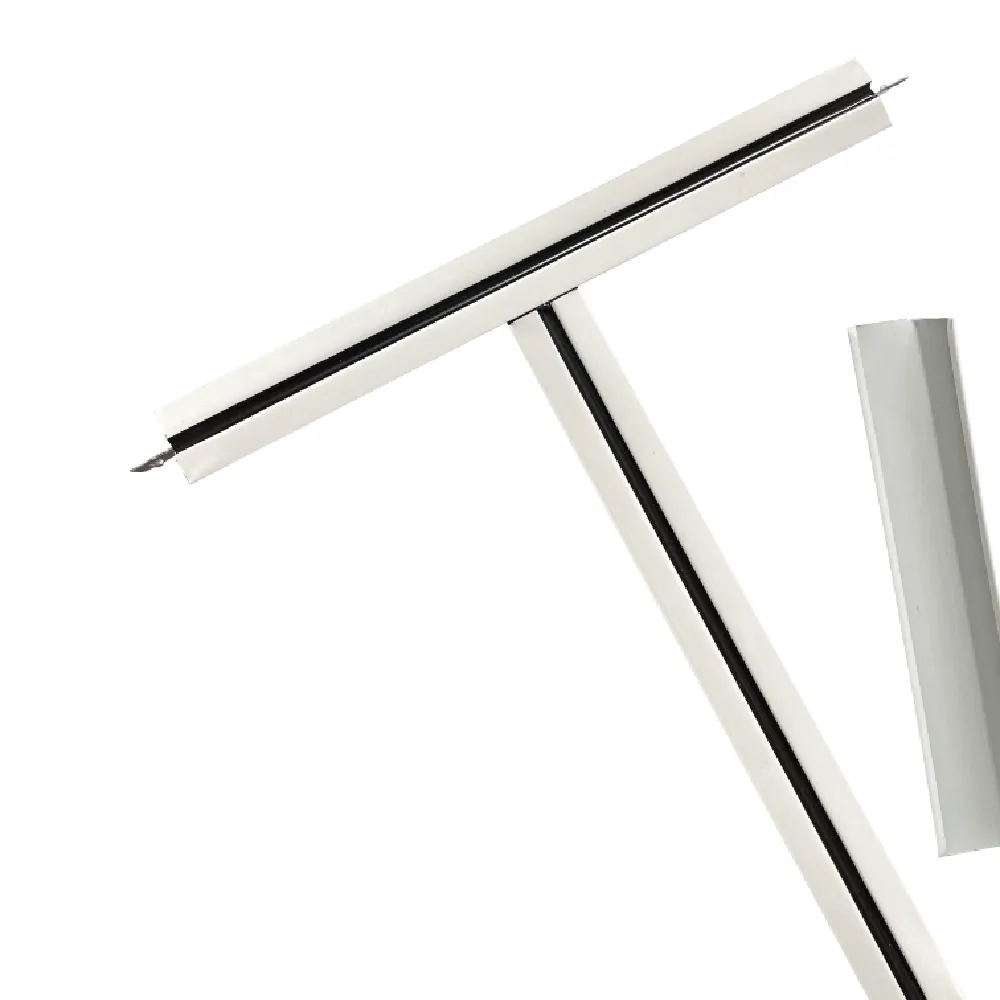
In simple terms, a t bar grid ceiling is a ceiling suspension system constructed from inverted “T”-shaped metal bars, creating a visible grid that supports ceiling panels or tiles. These bars form a framework that’s lightweight, yet incredibly sturdy, allowing for quick installation and easy repairs.
From a humanitarian angle, these ceilings facilitate rapid build-outs in emergency shelters or clinics, accommodating ventilation, lighting, and wiring without complicated reworks. Industrial sites and commercial buildings also prefer them for their adaptability and visual neatness.
Core Components of a T Bar Grid Ceiling
1. Durability and Material Quality
Most grids are made from galvanized steel or aluminum, offering corrosion resistance and long service life. This is key especially in humid, coastal, or industrial environments where rust could be a disaster.
2. Scalability and Modular Design
Easily expandable and customizable, the grid layout allows for sections to be replaced or rearranged without dismantling entire ceiling systems — a major plus for upgrades or repairs.
3. Cost Efficiency
These systems reduce labor and material costs by virtue of their simplicity and standardization. Plus, their reusability adds value over time.
4. Easy Access and Maintenance
The removable panels fitted into the grid make it incredibly easy for electricians, plumbers, or maintenance engineers to access infrastructure above without disruptive demolition.
5. Acoustic and Thermal Properties
When combined with acoustical ceiling tiles, the grid system contributes to sound controlling environments and energy-efficient buildings.
Mini Takeaway: At its core, a t bar grid ceiling is not just about form—it's a clever union of durability, modularity, and cost-effectiveness, designed with future-proofing in mind.
How T Bar Grid Ceilings Are Used Around the World
You’ll find these ceilings practically everywhere: from commercial towers in Singapore to hospitals in Kenya, and even modular classrooms in Australia. Their prevalence is especially notable in:
- Healthcare facilities: allowing flexible lighting and HVAC integration.
- Educational campuses: classrooms benefit from quick maintenance access.
- Industrial warehouses: scalability supports large, open spaces.
- Post-disaster relief shelters: speedy installation for temporary or semi-permanent housing.
- Office buildings: enhancing aesthetics while hiding cables and piping.
Oddly enough, even military bases and research labs have adopted these systems because of their durability and ease of modification.
Advantages and Long-Term Value
Why do architects and engineers keep coming back to t bar grid ceilings? Several reasons:
- Cost Savings: Low initial expenses plus long-term savings in maintenance.
- Sustainability: Materials are increasingly recyclable, and modular systems produce less construction waste.
- Social Impact: Improves quality of working and living spaces by supporting acoustics and lighting.
- Reliability: Resists wear and adapts to changing building requirements.
- Emotional Aspect: Provides a sense of order and professionalism—important in client-facing environments.
Many engineers say the biggest emotional win is knowing that these ceilings help keep environments safer and more comfortable day in, day out.
Future Trends in T Bar Grid Ceiling Systems
The future is greener and smarter. Innovations include:
- Use of lightweight composite materials that reduce carbon footprint.
- Integration with IoT sensors hidden above ceilings for real-time environmental monitoring.
- Automation in manufacture, allowing customized grid sizes dispatched on demand.
- Eco-certification standards pushing producers toward sustainability compliance.
There’s also a push for ultrafine finishes and fire-resistant coatings, especially in skyscraper projects.
Common Challenges & How Experts Address Them
Of course, no solution is perfect. Light fixtures and HVAC ducts often complicate ceiling grid installation. Additionally, poor grid quality can lead to sagging or panel misalignment over time.
Experts recommend strict adherence to installation standards, choosing corrosion-resistant materials, and frequent maintenance checks. Some recent advances involve modular snap-fit connectors that minimize sagging, and anti-corrosive paints that prolong service life.
Frequently Asked Questions About T Bar Grid Ceiling
1. How durable is a t bar grid ceiling system in humid environments?
Generally, grids made from galvanized steel or aluminum withstand humid conditions well. When paired with moisture-resistant panels, they perform reliably for decades, especially if installation follows anti-corrosion guidelines.
2. Can t bar grid ceilings be customized for irregular room shapes?
Absolutely. While grids are most common in rectangular layouts, manufacturers offer custom sizes and adjustable grid kits to fit curved or angled ceilings.
3. How easily can ceiling panels be replaced or repaired?
One of their biggest strengths is accessibility. Panels lift out without tools, allowing quick replacement or access to infrastructure, reducing downtime significantly.
4. Are t bar grid ceilings eco-friendly?
Increasingly yes. Many grids are crafted from recycled metals, designed for disassembly, and paired with environmentally certified tiles that improve building energy efficiency.
5. What types of ceilings are compatible with t bar grids?
These grids support a variety of ceiling materials including mineral fiber tiles, metal panels, wood laminates, and specialty acoustic tiles, expanding design possibilities.
Product Specification Table: Typical T Bar Grid Ceiling Components
| Component | Material | Size / Dimension | Finish | Weight |
|---|---|---|---|---|
| Main Tee (Runner) | Galvanized Steel | 24 ft length, T-shape with 1.5" flange | White Polyester Coating | 1.2 kg/m |
| Cross Tee | Aluminum Alloy | 4 ft length, T-shape with 1.5" flange | Anodized Finish | 0.8 kg/m |
| Wall Angle | Galvanized Steel | 10 ft length, L-shape 1" flange | Powder Coated White | 1.0 kg/m |
| Suspension Wire | Galvanized Steel | 12 Gauge, adjustable length | Bare Metal | 0.15 kg/m |
Vendor Comparison Table for T Bar Grid Ceiling Suppliers
| Supplier | Material Quality | Customization Options | Price Range | Lead Time | Sustainability Certifications |
|---|---|---|---|---|---|
| Xingyuan Ceilings | Galvanized Steel & Aluminum | Custom sizes, finishes, panel compatibility | $$ | 2-3 weeks | ISO 14001, LEED compliant options |
| GlobalGrid Solutions | Aluminum High-Grade Alloy | Modular kits, limited custom sizes | $$$ | 4-6 weeks | ISO 9001 certified |
| CeilTech International | Galvanized Steel | Standard sizes only | $ | 1-2 weeks | No certifications listed |
Wrapping It Up
There you have it — the humble but indispensable t bar grid ceiling. It’s a perfect example of how a simple, well-engineered product can underpin massive sectors worldwide, from healthcare to emergency response, and sustainable building design to everyday office life. Cost-efficient, versatile, and increasingly green, this ceiling system quietly supports our world’s infrastructure in more ways than you might imagine.
So next time you glance up at that neat metal grid, remember it’s more than decoration — it’s a cornerstone of modern construction’s flexibility and resilience.
Want to explore quality t bar grid ceiling systems? Visit Xingyuan Ceilings for comprehensive solutions and expert support.
References:
1. ISO 14001 Environmental Management Systems — iso.org
2. International Organization for Standardization (ISO) — Modular Building Systems Report, 2022
3. Wikipedia contributors. (2024). Suspended ceiling. In Wikipedia, The Free Encyclopedia. Retrieved from en.wikipedia.org
-
Benefits and Guide of Mineral Fiber Ceiling Board for InteriorsNewsApr.16,2026
-
Modern Mineral Fiber Ceiling Solutions for Acoustic PerformanceNewsApr.09,2026
-
Mineral Fibre Board Ceiling vs Gypsum Board A Comprehensive Comparison GuideNewsApr.07,2026
-
Comprehensive Guide to Mineral Fiber Ceiling Specification and PerformanceNewsApr.04,2026
-
What Are Mineral Fiber Ceiling Tiles Made Of And Their ApplicationsNewsMar.31,2026
-
Exploring the Benefits of Suspended Mineral Fibre Ceiling Systems for Modern BuildingsNewsMar.28,2026