
Dec . 02, 2025 05:25 Back to list
Understanding 600x600 Ceiling Access Hatch: Global Standards, Applications & Innovations
600x600 Ceiling Access Hatch: What It Is and Why It Matters Globally
If you’ve ever fiddled with ceiling panels in offices, hospitals, or commercial buildings, chances are you have encountered a ceiling access hatch — the kind that is exactly 600x600 millimeters in size. Now, why should this little architectural detail get a spot of our attention? Frankly, these hatches play a surprisingly big role in global building maintenance, safety, and infrastructure management. Understanding what a 600x600 ceiling access hatch offers, why it’s standardized, and how it helps industries worldwide opens a neat window into building efficiency and operational ease.
Across the globe, controlling access to hidden spaces—whether for maintenance, wiring, or ventilation—is a challenge. Choosing the right ceiling access hatch simplifies this task and boosts safety, especially in critical infrastructure sectors. In this article, we explore this niche yet essential element and how it ties into broader trends in construction, safety compliance, and sustainability.
Introduction: The Global Context of 600x600 Ceiling Access Hatch
When you think of building infrastructure, ceiling access panels aren’t the first thing that springs to mind. But the 600x600 ceiling access hatch is a global standard, embraced from commercial high-rises in New York to hospitals in Tokyo and data centers in Berlin. According to the International Organization for Standardization (ISO), modular components like these hatches facilitate quicker construction and maintenance processes worldwide, saving hours and often costs.
Consider this: the construction sector holds a significant stake in global GDP—about 6% according to the World Bank. Tiny fixtures like access hatches, standardized in size, improve modularity and accessibility, reducing downtime during inspections or repairs. In regions prone to seismic activity or with strict fire codes, reliable access hatches enable rapid human intervention or automated checks, addressing potential hazards before they escalate.
That’s the core challenge these hatches address — balancing ease of access with safety and durability while fitting into increasingly modular and sustainable building practices.
What Is a 600x600 Ceiling Access Hatch?
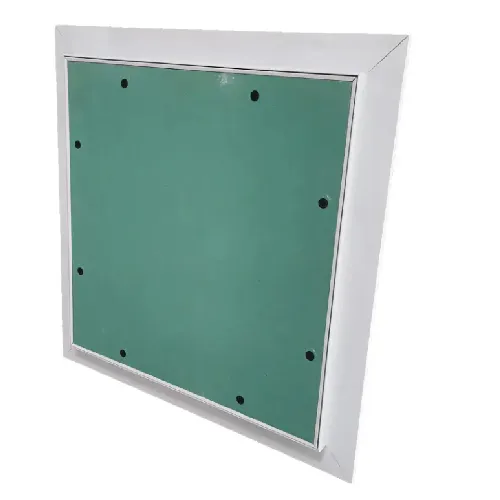
In simple terms, a 600x600 ceiling access hatch is a panel or door built into drop ceilings or plaster ceilings, measuring typically 600 mm by 600 mm. It provides a clean, secure way to access the ceiling void — the space above the finished ceilings where electrical wiring, air ducts, plumbing, or fire systems are often routed.
This hatch is a staple in modern construction, hinged or liftable, sometimes lockable, and often made from lightweight but sturdy materials like aluminum, galvanized steel, or MDF. It’s the interface between open maintenance work and the hidden infrastructure that makes buildings run.
Its connection to modern industry is quite direct — the ease of access it provides ensures that building operations can continue with minimal interruption, critical for hospitals, airports, or industrial plants where downtime is expensive or dangerous.
Key Components and Factors of 600x600 Ceiling Access Hatch
1. Durability and Material Choice
These hatches must withstand repeated usage, environmental humidity, and sometimes fire-resistant requirements. Common materials include powder-coated steel for corrosion resistance and aluminum for lightweight applications.
2. Fire and Safety Specifications
Building codes often require that ceiling access hatches integrate fire-rated barriers. A 600x600 hatch can come with up to 4-hour fire resistance ratings, designed to maintain compartmentalization.
3. Ease of Installation and Maintenance
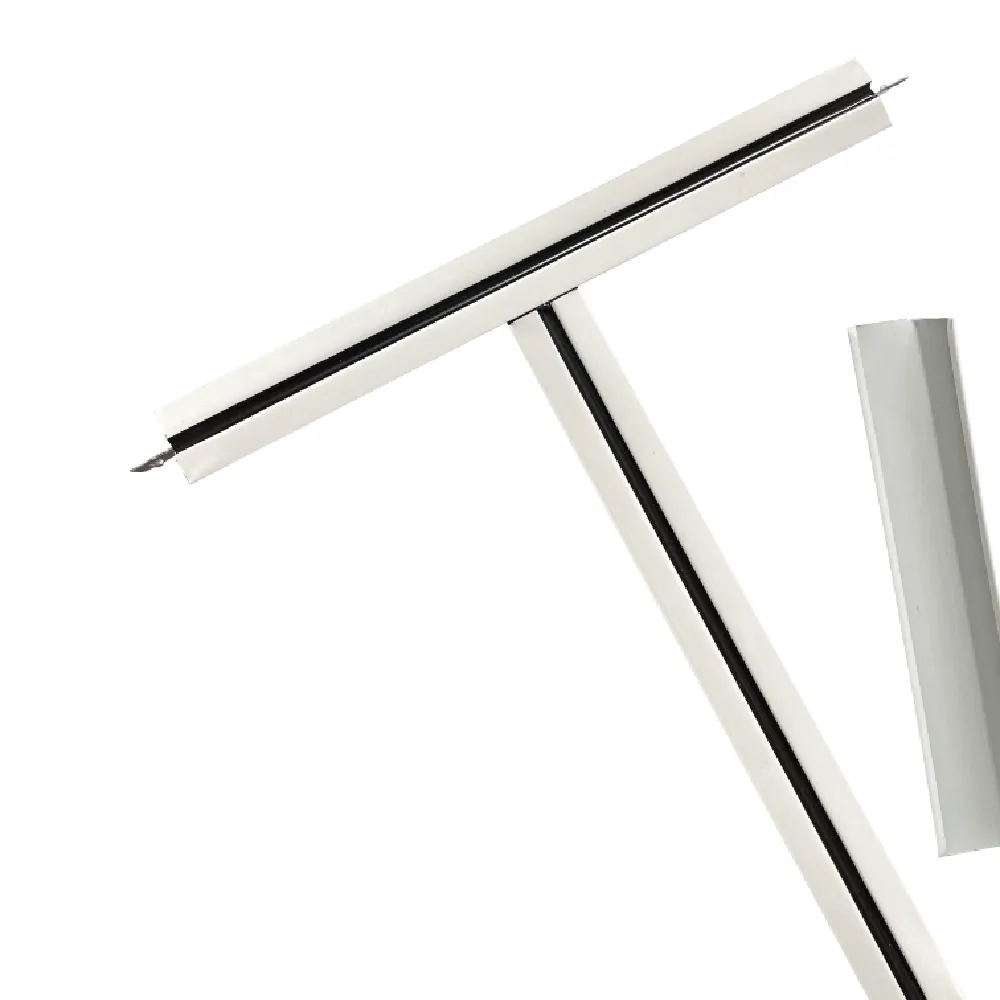
The hatch size aligns with common ceiling tile grids, ensuring fast installation without special adjustments. Some designs feature tool-less opening mechanisms or latch systems for quick access.
4. Aesthetic Integration
Access hatches are often designed to blend seamlessly with ceiling tiles, maintaining a clean look while hiding behind the scenes functions.
5. Security and Locking
For some facilities, controlled access is vital to prevent tampering with vital systems hidden above ceilings.
Product Specification Table for a Typical 600x600 Ceiling Access Hatch
| Specification | Details |
|---|---|
| Dimensions | 600 mm x 600 mm panel size |
| Material | Galvanized Steel or Aluminum |
| Finish | Powder coated or painted white (custom colors available) |
| Opening Style | Hinged or removable panel |
| Fire Rating | Up to 4 hours (optional) |
| Locking Mechanism | Optional key lock or latch system |
Global Applications and Use Cases
Oddly enough, while the 600x600 ceiling access hatch might seem mundane, it appears in some pretty serious contexts. Hospitals rely on these for accessing complex HVAC and medical gas pipelines. Data centers use them for efficient cabling and cooling management. Airports and transit hubs need rapid access for security and infrastructure maintenance that can’t afford delays.
Regions like Europe and North America have widely adopted the 600x600 panel as an industry standard to simplify maintenance and procurement. Meanwhile, emerging economies experience efficiency gains by embracing these access hatches in modular constructions — even in remote industrial zones or post-disaster reconstruction efforts where fast, reliable access to wiring and ventilation is crucial.
Vendor Comparison Table: Popular 600x600 Ceiling Access Hatch Suppliers
| Vendor | Material | Fire Rating | Security Features | Typical Price (USD) |
|---|---|---|---|---|
| Xingyuan Ceilings | Galvanized Steel | Up to 4 hours | Lockable latch | $30 - $45 |
| CeilTech | Aluminum | 2-hour rating | Push-to-open | $35 - $50 |
| AccessPro | Steel with MDF facing | None | Screw-nut lock | $20 - $35 |
Advantages and Long-Term Value
Why fuss over a 600x600 ceiling access hatch? Well, they’re all about ensuring buildings stay safe and operational with minimal fuss. Reliable access hatches reduce maintenance labor costs, improve worker safety by standardizing access openings, and prevent damage to expensive wiring or ducting.
There’s also a social element — in hospitals or schools, quick and discreet access means repairs can happen without disturbing occupants, preserving dignity and calm. Logically, these hatches promote innovation by allowing easy retrofitting of new technology in existing buildings.
Future Trends and Innovations
The industry moves toward lightweight composites and environmentally friendly materials, sometimes incorporating recycled metals or bio-based finishes. Additionally, integration with smart building technology is on the horizon — imagine an access hatch with sensors that alert maintenance crews instantly if it’s opened or if there’s moisture or smoke detected behind it.
Green construction standards increasingly emphasize sustainable and fire-safe materials, raising demand for advanced hatches certified by organizations like ISO and the National Fire Protection Association (NFPA).
Challenges and Expert Solutions
Installation errors remain a common issue, leading to misaligned panels or insufficient sealing that allows dust or noise through. Ventilation compatibility is sometimes overlooked too, which can compromise HVAC efficiency.
Innovations such as modular snap-fit frames and enhanced sealing gaskets help solve these problems. Getting expertise from professional providers — like 600x600 ceiling access hatch specialists — ensures compliance and optimal performance.
FAQ: Frequently Asked Questions About 600x600 Ceiling Access Hatch
- Q: What makes a 600x600 ceiling access hatch the go-to size?
A: The 600x600 mm dimension aligns with modular ceiling grid systems commonly used worldwide, simplifying installation and materials sourcing. - Q: Can these access hatches be customized for fire safety?
A: Absolutely. Many models come with fire-resistant cores or additional insulation to meet specific fire-rating requirements, which can be crucial in commercial or healthcare buildings. - Q: Are all 600x600 ceiling access hatches secure?
A: Security varies by model. Facilities with sensitive infrastructure usually opt for lockable hatches to prevent unauthorized access. - Q: How easy is it to install a 600x600 ceiling access hatch?
A: Quite straightforward for ceiling tiles using grid systems; however, consulting with experts or suppliers ensures correct fit and compliance with local building codes. - Q: Can the hatches accommodate wiring or ventilation pass-through?
A: Some models include removable panels or cutouts; otherwise, additional adapters may be needed to maintain airflow and cable routing.
Conclusion: Why 600x600 Ceiling Access Hatches Remain Essential
The humble 600x600 ceiling access hatch quietly supports the complex ecosystem of modern building infrastructure — from maintenance ease and cost savings to safety and compliance. For anyone considering efficient facility management or modular building design, understanding this small but mighty component offers clear value.
If you want to explore a reliable and industry-standard solution, check out 600x600 ceiling access hatch options that balance quality, compliance, and accessibility in one neat package.
In the end, it’s these little details that help keep the big wheels of global infrastructure turning smoothly — and that’s worth reflecting on.
Mini takeaway: The 600x600 ceiling access hatch is more than just a panel—it’s a gateway to safe, efficient, and sustainable building management.
References:
-
Benefits and Guide of Mineral Fiber Ceiling Board for InteriorsNewsApr.16,2026
-
Modern Mineral Fiber Ceiling Solutions for Acoustic PerformanceNewsApr.09,2026
-
Mineral Fibre Board Ceiling vs Gypsum Board A Comprehensive Comparison GuideNewsApr.07,2026
-
Comprehensive Guide to Mineral Fiber Ceiling Specification and PerformanceNewsApr.04,2026
-
What Are Mineral Fiber Ceiling Tiles Made Of And Their ApplicationsNewsMar.31,2026
-
Exploring the Benefits of Suspended Mineral Fibre Ceiling Systems for Modern BuildingsNewsMar.28,2026