
Nov . 26, 2025 18:00 Back to list
Understanding Ceiling Access Panel Sizes for Efficient Building Maintenance
Understanding Ceiling Access Panel Sizes: Why It Matters More Than You Think
At first glance, ceiling access panels might seem like just another construction detail. But the sizes of these panels aren’t arbitrary – they’re a critical part of modern infrastructure, maintenance, and safety worldwide. Knowing ceiling access panel sizes isn’t just for architects or contractors; it affects hospitals, schools, industrial plants, airports, and even humanitarian housing solutions globally.
Simply put, appropriate panel sizes ease quick access to vital systems like wiring, HVAC, plumbing, reducing downtime and costs. And when you consider large-scale industrial or disaster relief projects, optimizing these sizes saves lives and dollars.
The Big Picture: Global Relevance of Ceiling Access Panel Sizes
Globally, buildings and facilities face increasingly complex requirements. The International Organization for Standardization (ISO) has standards that impact access points to ensure safety and functionality. According to the United Nations’ Sustainable Development Goals (SDGs), modern infrastructure is key to urban resilience.
Consider this: one study from the World Bank estimates urban populations will reach 70% by 2050, pushing demand for better building maintenance and modular designs. Here’s the kicker – if ceiling panels are too small or poorly designed, maintenance teams suffer delays, which, on critical infrastructure, could lead to cascading failures.
Ironically, while this sounds technical and niche, “ceiling access panel sizes” play an unglamorous but essential role in the smooth running of cities, hospitals, and factories worldwide.
So, What Exactly Are Ceiling Access Panel Sizes?
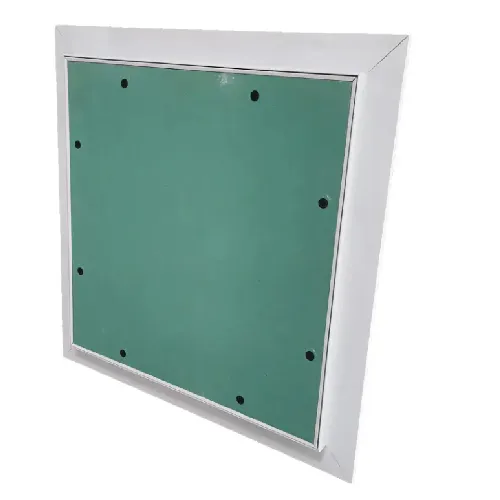
Simply put, ceiling access panels are removable covers installed in ceilings that provide entry points to hidden spaces like ducts, wiring, pipes, or dampers. The sizes of these panels vary widely – from small 12"x12" squares in residential spaces to massive custom metal panels in industrial warehouses.
The size is critical because it dictates how easily technicians can reach and work on the concealed systems behind ceilings. Too small means frustration, inefficiency. Too large might mean structural weakness or increased cost.
The choice of panel size is intertwined with modern building codes, safety standards, and practical industry needs. Even in humanitarian sectors, delivering shelters or clinics with standardized, well-sized panels makes maintenance efficient and cost-effective.
Key Factors to Consider When Choosing Ceiling Access Panel Sizes
1. Durability & Material Quality
Panels must withstand repeated opening without warping or damaging the outlines. Materials like galvanized steel, aluminum, or reinforced PVC are common, depending on load and fire rating requirements.
Oddly enough, sometimes the panel size drives material choices – larger panels often demand stronger metals to maintain ceiling integrity.
2. Accessibility & Ergonomics
It’s not just width and height, but ease of access. Panels should allow technicians to gain comfortable access without awkward postures or tools. Proper sizing will consider human factors in how people approach the panel.
3. Fire & Safety Compliance
Fire-rated access panels adhere to specific sizes that also accommodate fireproofing materials and seals. Fire safety codes usually determine strict minimum sizes to ensure rapid emergency access.
4. Cost Efficiency
Manufacturers and contractors often try to balance panel size with overall project budget. Larger panels mean more material cost; smaller means possible rework and inefficiencies down the line.
5. Scalability & Customization
Modern projects sometimes require modular panel sizes that easily integrate with ceiling tiles or duct sizes. Vendors often offer standard modular sizes but can accommodate custom dimensions — especially for industrial or emergency setups.
6. Installation Environment
Whether indoors, outdoors, sterile hospitals, or dusty factories, environment impacts size choice and design features like sealing or locking mechanisms.
Mini takeaway: Choosing the right panel size is a balancing act — functionality, safety, usability, and cost all dancing together.
How Ceiling Access Panel Sizes Shape Global Use Cases
From skyscrapers in New York to remote clinics in sub-Saharan Africa, standardized but adaptable ceiling access panel sizes enable efficient building management. Non-governmental organizations (NGOs) working in disaster relief often standardize sizes to speed up deployment and repair efforts.
In industrial zones of Southeast Asia, where factories run 24/7, quick access to pipes and wiring via properly sized panels reduces downtime and boosts output.
Hospitals worldwide rely on ceiling access for regular maintenance of life-supporting ventilation and electrical systems, where safety demands are especially high.
| Model | Dimensions (WxH) | Material | Fire Rating | Typical Use |
|---|---|---|---|---|
| LitePro 12x12 | 12"x12" (300x300mm) | Aluminum | None | Residential, Offices |
| SecureGuard 24x24 | 24"x24" (600x600mm) | Galvanized Steel | 2-hour | Hospitals, Industrial |
| MaxAccess 36x48 | 36"x48" (900x1200mm) | Steel with Reinforcement | 4-hour | Large Industrial, Warehouses |
Advantages & Long-Term Value of Optimizing Panel Sizes
- Cost savings: Right-sized panels reduce material waste and labor time.
- Sustainability: Durable panels lower replacement frequency, reducing environmental impact.
- Safety: Adequate size allows fast emergency access, improving occupant protection.
- Maintenance efficiency: Easier access reduces maintenance errors and downtime.
- Adaptability: Modular sizes fit evolving building needs, future-proofing investments.
On an emotional note: knowing a building can be safely and quickly maintained gives occupants and operators peace of mind. It’s a humble, but genuine, form of trust.
What’s Next? Emerging Trends in Ceiling Access Panels
Innovation is creeping in through better materials like composite polymers that resist corrosion and fire without adding weight. Digital transformation is also key — some panels now integrate sensors that signal if they have been opened or indicate internal temperature or humidity.
With green building standards rising globally, manufacturers offer eco-friendly options that blend compliance and sustainability. Automation in installing modular ceiling panels on construction sites promises faster build times.
Looking ahead, I’d wager that ceiling access panels will be more than just passive covers — perhaps active components interacting with building management systems.
What Challenges Do We Face & Possible Solutions?
Current limitations include:
- Inconsistent sizing standards: A headache for global projects needing uniformity.
- Material constraints: Finding the sweet spot between strength, weight, and cost.
- Installation issues: Panels sometimes complicate aesthetic or structural designs.
Innovative tooling, better modular designs, and international collaboration—for example, adhering to ISO norms—are slowly overcoming these. Vendors focusing on customization with a lean manufacturing process seem best poised.
Vendor Comparison: Leading Ceiling Access Panel Providers
| Vendor | Standard Sizes Offered | Material Options | Fire Rating Certification | Custom Sizing Available |
|---|---|---|---|---|
| Xingyuan Ceilings | 12x12, 24x24, 36x48 inches | Aluminum, Galvanized Steel | Up to 4-hour fire rating | Yes |
| AccessPro Panels | Custom sizes primarily | Stainless Steel, PVC composites | Up to 2-hour fire rating | Yes, with MOQ |
| BuildEase Solutions | Standard modules + custom | Aluminum, Steel | None (non-fire rated) | Yes |
Frequently Asked Questions About Ceiling Access Panel Sizes
- Q1: What standard ceiling access panel sizes are most commonly used in commercial buildings?
- A: The most common sizes include 12"x12" for small access, 24"x24" for general applications, and 36"x48" for large maintenance. These sizes balance accessibility and material costs and comply with many building codes.
- Q2: Can ceiling access panels be customized for unusual ceiling thicknesses or unique building requirements?
- A: Absolutely. Many manufacturers offer custom sizing and adjustable frames to accommodate unique spaces or thicker ceilings, which is particularly helpful in industrial or retrofit projects.
- Q3: How do fire ratings affect the choice of ceiling access panel sizes?
- A: Fire-rated panels often have larger minimum sizes to accommodate fireproofing materials and seals. Choosing the correct size ensures compliance with safety codes and provides adequate protection in emergencies.
- Q4: Are there eco-friendly ceiling access panels available?
- A: Yes. Some manufacturers now produce panels from recycled materials and composites designed to reduce environmental impact while maintaining durability and safety standards.
- Q5: How do I decide the right access panel size for a healthcare facility?
- A: Healthcare settings usually require panels with easy access for routine maintenance of critical systems and often fire-rated options. A 24"x24" panel size is common, but consult local regulations and consider the exact equipment behind the ceiling.
Wrapping Up: The Last Word on Ceiling Access Panel Sizes
When you think about it, ceiling access panel sizes are a quiet backbone of building maintenance and safety worldwide. Getting this right minimizes operational headaches, maximizes longevity, and supports modern infrastructure challenges. For a wide range of projects — residential, commercial, humanitarian — paying attention to these sizes isn’t just practical, it’s smart.
If you’re ready to explore quality panels or need custom sizes for your next project, I invite you to check out ceiling access panel sizes and discover solutions tailored to your needs.
Mini takeaway: The right sized access panel is more than an opening — it’s a smart choice that pays off over time.
References
-
Benefits and Guide of Mineral Fiber Ceiling Board for InteriorsNewsApr.16,2026
-
Modern Mineral Fiber Ceiling Solutions for Acoustic PerformanceNewsApr.09,2026
-
Mineral Fibre Board Ceiling vs Gypsum Board A Comprehensive Comparison GuideNewsApr.07,2026
-
Comprehensive Guide to Mineral Fiber Ceiling Specification and PerformanceNewsApr.04,2026
-
What Are Mineral Fiber Ceiling Tiles Made Of And Their ApplicationsNewsMar.31,2026
-
Exploring the Benefits of Suspended Mineral Fibre Ceiling Systems for Modern BuildingsNewsMar.28,2026