
Nov . 22, 2025 14:30 Back to list
Waterproof Access Panels – Durable, Reliable, and Ready for Any Environment
What Is a Waterproof Access Panel—and Why Should You Care?
If you've ever peeked behind a wall or ceiling in a building, chances are you've come across some sort of access panel. Now, when it comes to waterproof access panels, these little things punch far above their weight. In a nutshell, they provide secure, moisture-proof entry points to hidden utilities like plumbing, electrical wiring, or HVAC systems. Why does this matter globally? Well, with more buildings facing severe weather conditions or stringent hygiene standards, this type of panel has become a quiet hero — reducing maintenance costs and preventing water damage that can spiral into structural issues or health hazards. Key takeaway: Understanding waterproof access panels isn't just for contractors or architects. It's crucial for anyone interested in building longevity, safety, or even energy efficiency in today's unpredictable climate.Global Relevance: The Rising Demand for Waterproof Access Panels
We live in a world where climate change isn’t knocking politely at the door — it’s storming through it. According to the UN Office for Disaster Risk Reduction, water-related disasters have increased by over 150% in the past three decades. Combine that with rapid urbanization (UN World Urbanization Prospects reports that 68% of the global population will live in urban areas by 2050), and you start to see why waterproofing even the smallest structural components is vital. Waterproof access panels help address challenges faced by engineers and facility managers globally, offering a straightforward yet effective solution to keep sensitive mechanical and electrical components dry and accessible. In industries such as healthcare, commercial kitchens, or clean rooms where sterile environments are paramount, these panels guard against contamination. Meanwhile, in flood-prone regions, they act like unseen sentries protecting infrastructure without being intrusive. Mini summary: Whether for urban high-rises, remote industrial sites, or disaster-resilient shelters, waterproof access panels play an increasingly strategic role worldwide.Defining the Waterproof Access Panel
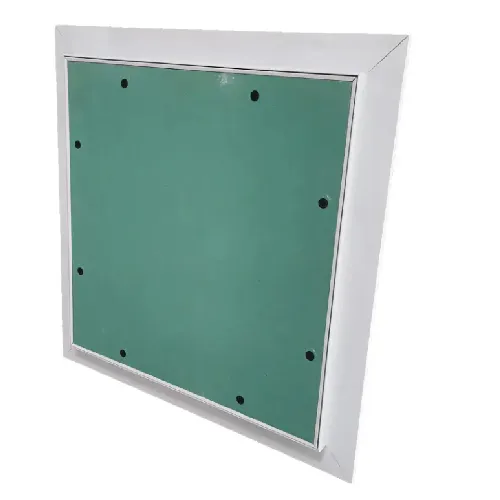
So, what exactly is a “waterproof access panel”? In simple terms, it’s an installation point—usually a framed door-like unit—that allows authorized personnel to access concealed utilities behind walls, ceilings, or floors. The distinction here is the “waterproof” element, which guarantees the panel prevents water ingress, maintaining the integrity of the enclosed systems. Oddly enough, what sounds like a simple construction fix aligns deeply with humanitarian needs too. For example, in emergencies where clean water and sanitation are critical, these panels enable quick access to pipes or valves without compromising water tightness. In industries, they help maintain controlled environments, linking back to ISO standards on building water resistance and hygiene.Main Ingredients of a Good Waterproof Access Panel
Let’s dive into the core facets that make these panels more than just “doors in walls”:1. Durability and Material Quality
Typically made from galvanized steel or robust composites, these panels resist corrosion, impacts, and UV exposure. Many engineers I chatted with swear by stainless steel variants in coastal areas — salty air tends to be harsh on regular metals.2. Water Resistance and Sealing
A solid silicone gasket or rubber seal lines the frame, offering a tight barrier against moisture and even dust ingress. This feature is what differentiates basic access panels from truly waterproof ones.3. Ease of Installation and Maintenance
They’re designed for quick mounting with adjustable frames to fit irregular wall thicknesses, and accessibility without dismantling major structures is a must-have.4. Size & Scalability
From small finger-hole access points for valves to large ceiling panels in mechanical rooms, the scalability ensures tailored applications.5. Fire and Security Ratings
In sensitive zones, panels might carry fire-resistance ratings (usually 30–90 minutes) or locks for security, combining waterproofing with safety logic. Quick takeaway: It’s not just a plastic window; the real art lies in balancing toughness, water-tight sealing, and practicality.Real-World Applications of Waterproof Access Panels
Waterproof access panels have found their way into numerous industries and regions: - Healthcare Facilities: Hospitals require sterile, mold-resistant environments, making waterproof panels ideal for maintenance access without risking contamination. - Commercial Kitchens and Food Processing: Constant water exposure demands panels that resist corrosion and facilitate sanitation schedules. - Flood-Prone Building Designs: In Southeast Asia or coastal America, these panels help protect building infrastructure while allowing repairs following water infiltration. - Disaster Relief Shelters: In humanitarian contexts, waterproof panels enable quick global deployment of temporary facilities with robust plumbing access. - Energy and Utility Infrastructure: Remote substations and hydroelectric plants use these panels to safeguard expensive equipment. For instance, an NGO deployed modular clinics after an earthquake in Nepal, using waterproof access panels to ensure medical equipment remained shielded from monsoon rains while enabling onsite repairs. It’s fascinating to see this blend of design and social impact.The Tangible Benefits: Why Waterproof Access Panels Pay Off
Many folks think of access panels as minor details, but their long-term value is striking: - Cost-Efficiency: Preventing water damage avoids costly repairs. In practical terms, replacing a corroded pipe shielded by a panel is much cheaper than rebuilding walls after water intrusion. - Sustainability: By increasing a building’s life span and reducing waste, they support green building initiatives aligned with ISO 14001 environmental management standards. - Safety and Hygiene: These panels boost safety by providing secure, quick access to critical systems, ensuring compliance with health regulations. - Emotional Peace of Mind: Knowing that infrastructure is protected from water surprises builds occupant trust and operator confidence. - Innovation and Versatility: Integration with smart sensors (more on that below) turns these passive fixtures into dynamic building components.Looking Ahead: Emerging Trends in Waterproof Access Panels
Technology never rests, so neither does panel design: - Smart Monitoring: Companies are experimenting with embedded moisture sensors inside the frame to provide alerts when leaks occur — a classic "silent sentry" move. - Eco-Friendly Materials: Research into biodegradable composite materials aims to reduce carbon footprint while maintaining durability, a nod to the growing green energy movement. - Automation in Installation: Prefabricated kits with snap-in parts reduce onsite labor, speeding up deployment especially in remote zones. - Fire & Water Dual Certification: Panels are increasingly designed to simultaneously meet stringent fire resistance and waterproof ratings — a dual role for complex buildings. - Digital Building Management Systems Integration: Panels communicating status to centralized dashboards is becoming more common, reflecting the rise of IoT in commercial buildings.Common Challenges—and How Experts Solve Them
Even with all the advances, a few bumps remain: - Seal Deterioration Over Time: Rubber seals can wear out, causing leaks. Solution? Using long-lasting synthetic gaskets and user-friendly replacement kits. - Cost Barriers: High-spec panels can be pricey upfront. Many recommend balancing initial cost against lifecycle savings to justify investment. - Installation Complexity: Not all installers are familiar with waterproof panel nuances, sometimes resulting in poor sealing. Training and clear manuals are key. - Customization Limitations: Off-the-shelf panels don’t always fit unique building geometries, prompting vendors to offer tailored solutions. Frustrating? Yes. But industry leaders keep pushing refinement, aided by feedback loops from real field users.Frequently Asked Questions About Waterproof Access Panels
Q1: How do waterproof access panels differ from standard panels?A1: The main difference lies in their sealing system. Waterproof panels have specialized gaskets and construction to prevent water ingress, ideal for wet or humid environments. Standard panels often lack these features, making them unsuitable where water exposure is a concern. Q2: Can waterproof access panels be used outdoors?
A2: Definitely. Many are engineered with corrosion-resistant materials and UV-stable coatings, making them perfect for outdoor or semi-exposed installations. Q3: Are these panels customizable in size and finish?
A3: Most manufacturers offer multiple standard sizes and finishes, and many provide custom options to fit specific project needs. Q4: How often should seals be inspected or replaced?
A4: It depends on environment and use, but a general recommendation is annual inspections with seal replacement every 3–5 years to guarantee performance. Q5: Do waterproof access panels comply with fire safety regulations?
A5: Many models come with fire ratings. It’s essential to select panels certified for your building’s fire code requirements.
Product Specification Table
| Specification | Details |
|---|---|
| Material | Galvanized Steel / Stainless Steel / Composite |
| Waterproof Rating | IP65–IP68 (dust tight, water jets to full submersion) |
| Fire Rating | Up to 90 minutes (varies by model) |
| Seal Type | Silicone Gasket / Rubber Seal |
| Sizes Available | 100x100mm up to 1200x1200mm and custom |
| Installation | Surface or recessed mounting |
Vendor Comparison: Leading Waterproof Access Panel Suppliers
| Feature | PanelPro | AquaGuard | SealTech |
|---|---|---|---|
| Material Options | Steel, Composite | Stainless Steel, Aluminum | Composite Only |
| Max Size | 1200x1200mm | 1000x1000mm | 800x800mm |
| Fire Rating | 60 minutes | 90 minutes | No rating |
| Customization | High | Medium | Low |
| Average Price | $$$ | $$$$ | $$ |
| Lead Time | 2-3 weeks | 4-6 weeks | 1-2 weeks |
Wrapping It Up: Why Choosing the Right Waterproof Access Panel Matters
Honestly, waterproof access panels may not be the showiest part of construction or facility management, but they’re vital cogs. From preventing costly water damage to making life easier for maintenance teams, their importance grows as weather becomes more unpredictable and building requirements more complex. If you're on the hunt for reliable, durable, and customizable panels, don’t overlook the value of experienced suppliers. For more info on an extensive range of waterproof access panel options, drop by the website and see how they can elevate your next project. --- References:1. UN Office for Disaster Risk Reduction, "Global Assessment Report 2022".
2. United Nations, Department of Economic and Social Affairs, "World Urbanization Prospects 2018".
3. ISO 14001 Environmental Management Standards.
Latest news
-
Benefits and Guide of Mineral Fiber Ceiling Board for InteriorsNewsApr.16,2026
-
Modern Mineral Fiber Ceiling Solutions for Acoustic PerformanceNewsApr.09,2026
-
Mineral Fibre Board Ceiling vs Gypsum Board A Comprehensive Comparison GuideNewsApr.07,2026
-
Comprehensive Guide to Mineral Fiber Ceiling Specification and PerformanceNewsApr.04,2026
-
What Are Mineral Fiber Ceiling Tiles Made Of And Their ApplicationsNewsMar.31,2026
-
Exploring the Benefits of Suspended Mineral Fibre Ceiling Systems for Modern BuildingsNewsMar.28,2026