
Dec . 02, 2025 01:45 Back to list
What is a Small Ceiling Hatch? Benefits, Uses, and Innovations Explained
Understanding the Small Ceiling Hatch: A Tiny Opening with Huge Importance
Small ceiling hatches are something most people rarely think about until they need one. Yet, these compact openings play an outsized role in industrial settings, residential safety, and even humanitarian efforts. Globally, as buildings become smarter and more complex, understanding the nuances of a small ceiling hatch—its design, materials, and applications—has never been more important. Simply put, a ceiling hatch is a discreet portal carved into ceilings for access, ventilation, or inspection, and small ones are prized for their efficiency in tight spaces.
Why They Matter Worldwide
The World Bank estimates urban infrastructure growth will accelerate worldwide by over 30% in the next decade — this means more ceilings, more ductwork, and more need for smart, reliable access points. Oddly enough, something as humble as a small ceiling hatch also factors into disaster resilience and safety regulations as per ISO building standards. In places prone to rapid weather changes or industrial hazards, a well-built small ceiling hatch can be a lifesaver (literally and figuratively).
Mini takeaway: Small ceiling hatches are more than convenience; they’re essential links in safety, maintenance, and design efficiency worldwide.
What Exactly Is a Small Ceiling Hatch?
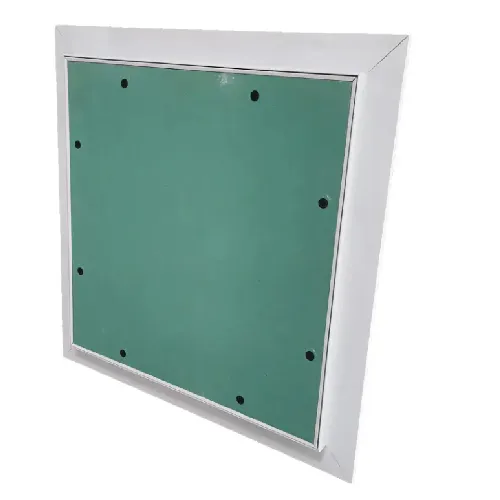
At its core, a small ceiling hatch is simply an access panel—usually square or rectangular—that fits into ceiling structures. It’s sized to occupy minimal ceiling space without sacrificing function. Sometimes made of metal, wood, or composite materials, these hatches allow workers or homeowners to access utility lines, HVAC systems, or even emergency egress routes. In modern industries, such hatches are customized to fit space constraints and compliance with fire or load-bearing codes.
Interestingly, humanitarian organizations incorporate small ceiling hatch designs in temporary shelters, improving ventilation and security without making structures vulnerable.
Core Factors to Consider in Small Ceiling Hatch Design
Durability
One of the primary concerns is how well the hatch can withstand wear, corrosion, and environmental factors. Materials like galvanized steel or powder-coated aluminum are common. In humid or industrial environments, corrosion resistance is critical to prevent maintenance headaches down the line.
Size & Accessibility
The small hatch's dimensions need to balance compactness with easy access. Too small, and technicians struggle; too large, and it wastes ceiling space. Sizes generally hover around 300-600mm square, but this varies by application. Ergonomics come into play here—a hatch that’s awkward to open defeats the purpose.
Fire Rating and Safety Compliance
Modern building codes require that ceiling hatches possess fire resistance for commercial and public buildings. Fire-rated hatches help contain smoke and flames, protecting other building areas. Compliance with standards such as UL-555 or BS 476 is typically mandatory.
Installation Flexibility
Because buildings vary widely, a small ceiling hatch should be easy to install and retrofit. Some models come with adjustable frames or snaps for ceiling tiles, while others are welded. The installation method often influences how quickly maintenance can occur.
Thermal & Acoustic Insulation
Especially in residential or office spaces, keeping ceiling hatches insulated against noise and temperature loss is valued. Certain hatches incorporate foam cores and sealing gaskets to minimize sound transfer and energy inefficiency.
Mini takeaway: Durability, safety, and user convenience are the backbone of an effective small ceiling hatch.
Small Ceiling Hatch Product Specification Table
| Feature | Specification |
|---|---|
| Material | Powder-coated aluminum / galvanized steel |
| Common Sizes | 300mm x 300mm to 600mm x 600mm |
| Fire Rating | UL-555 certified up to 90 minutes |
| Thermal Insulation | Polyurethane foam core with sealing gasket |
| Installation | Snap-in or flange-mounted frames available |
| Weight | 5–10 kg depending on size and material |
Global Applications & Use Cases of Small Ceiling Hatches
The small ceiling hatch finds homes in diverse global arenas:
- Commercial buildings: Facilitating quick access to HVAC, plumbing, or electrical wiring, thereby reducing maintenance downtime especially in dense urban centers like New York or Tokyo.
- Remote industrial zones: In mining or oil-extraction facilities in parts of Canada and Australia, these hatches allow safe inspections without high exposure risks.
- Disaster relief shelters: NGOs use small ceiling hatches in temporary housing to improve ventilation and security, improving living conditions in regions like Southeast Asia or sub-Saharan Africa.
- Residential renovations: Older homes in Europe often retrofit these hatches to update insulation and enable smart home equipment access.
Mini takeaway: The small ceiling hatch transcends industries and geographies, quietly empowering accessibility and safety worldwide.
Comparing Leading Small Ceiling Hatch Vendors
| Vendor | Material Options | Customization | Fire Rating | Lead Time |
|---|---|---|---|---|
| Xingyuan Ceilings | Aluminum, Steel, Composite | Size & finish tailored | Up to 90 min certified | 2–3 weeks |
| Global Hatch Co. | Steel only | Standard sizes only | 60 min | 1–2 weeks |
| EcoVent Solutions | Composite with insulation | Limited customization | Non-rated | 3–4 weeks |
Advantages & Long-Term Value of Small Ceiling Hatches
The ability to quickly access services hidden above ceilings can save massive costs related to labor and downtime. From a sustainability standpoint, modern hatches with insulation reduce energy loss. Emotionally? Knowing that emergency egress or fire containment is a notch above can bring peace of mind to building owners and occupants alike.
Small ceiling hatches often embody a marriage of trust and innovation: a simple feature built to rigorous technical standards to ensure safety and reliability for years.
Future Trends and Innovations
Looking ahead, manufacturers are experimenting with smart materials that self-seal or alert maintenance teams via sensors if tampered with. Sustainability drives development of biocomposites and recycled metals, aligning hatches with global CO₂ reduction targets.
Automation and 3D printing introduce new possibilities for rapid customization and complex geometry that responds to unique infrastructure needs. Somewhere, the humble small ceiling hatch is quietly evolving with 21st-century tech.
Common Challenges and Solutions
One challenge is balancing durability with weight—steel is strong but heavy, composites are light but less fire-resistant. Manufacturers often solve this by layering materials or adding fire-resistant coatings. Installation in tight ceiling cavities can be fiddly, so adjustable frame kits and pre-fab units ease the process. Finally, keeping costs reasonable without compromising quality is always a manufacturer’s tightrope walk.
FAQ About Small Ceiling Hatches
- How do I know what size small ceiling hatch to choose?
- Consider access requirements and ceiling space. A hatch should be large enough for technicians but fit tight ceiling spots. Standard sizes range from 300mm to 600mm square, but custom options exist.
- Can small ceiling hatches be fire-rated?
- Yes, many models meet standards like UL-555, offering up to 90 minutes of fire resistance. Always verify certifications to ensure compliance with building codes.
- Are small ceiling hatches suitable for outdoor use?
- Typically designed for indoor ceilings, some models made from corrosion-resistant materials can be used in covered outdoor areas but are not usually weatherproof.
- How quickly can I get a customized small ceiling hatch?
- Lead times vary but expect around 2-4 weeks depending on complexity and vendor. Providers like Xingyuan Ceilings offer tailored options with reliable turnaround.
- Is installation difficult for first-timers?
- Installation varies by product: snap-in types are easier, while flange-mounted may require professional help. Many vendors provide detailed instructions or support services.
In Conclusion: Small Ceiling Hatches—Tiny, Trusted, Transformative
Despite their small size, ceiling hatches pack a punch in making buildings safer, more efficient, and easier to maintain. Proper choice and installation of a small ceiling hatch can pay off in cost savings, compliance, and peace of mind for years. Curious to see what options are out there? Visit our website and explore how the right hatch opens up new possibilities for your space.
One final takeaway: sometimes the smallest features make the biggest difference.
References
-
Benefits and Guide of Mineral Fiber Ceiling Board for InteriorsNewsApr.16,2026
-
Modern Mineral Fiber Ceiling Solutions for Acoustic PerformanceNewsApr.09,2026
-
Mineral Fibre Board Ceiling vs Gypsum Board A Comprehensive Comparison GuideNewsApr.07,2026
-
Comprehensive Guide to Mineral Fiber Ceiling Specification and PerformanceNewsApr.04,2026
-
What Are Mineral Fiber Ceiling Tiles Made Of And Their ApplicationsNewsMar.31,2026
-
Exploring the Benefits of Suspended Mineral Fibre Ceiling Systems for Modern BuildingsNewsMar.28,2026