
Dec . 11, 2025 10:05 Back to list
Basement Ceiling Grid System Insights | Durable & Customizable Solutions
Basement Ceiling Grid System: Practical Insights from the Industrial Sector
Working in industrial equipment for over a decade, I’ve seen how seemingly small details can make or break a project's success. Basement ceiling grid systems, while often overlooked, are surprisingly important. If you’re considering installing or upgrading these grids, whether for a commercial basement or a residential retrofit, the choices you make around materials, design, and installation methods really do influence both performance and maintenance ease.
Oddly enough, it feels like the basement ceiling grid system, despite being crucial for easy access to pipes, wiring, and HVAC ducting, doesn’t get the spotlight it deserves in the finishing world. Engineers I've chatted with often say that the grid needs to be “invisible until you need it” — tough to achieve when you’re balancing cost, durability, and aesthetics.
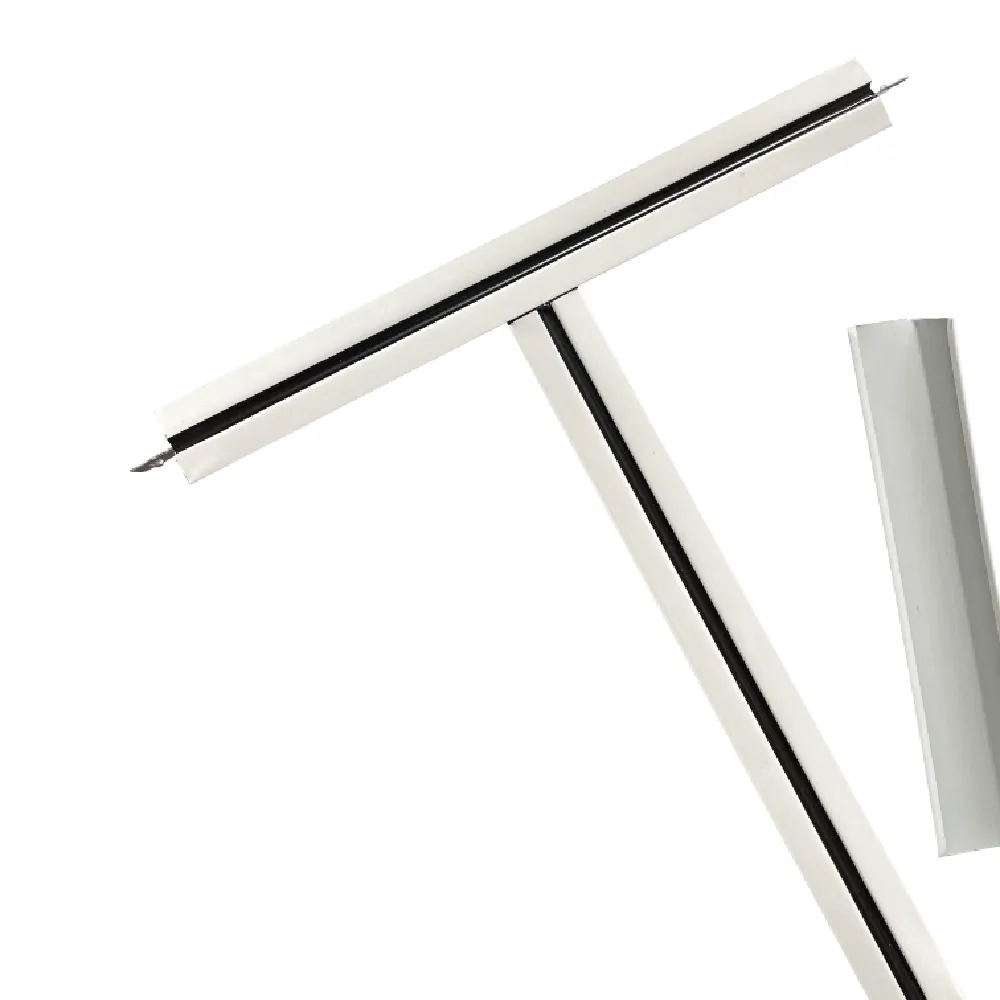
So, what makes a solid ceiling grid system? First, materials. Most systems use galvanized steel or aluminum for the main runners. Galvanized steel offers superior strength and corrosion resistance, which is a must in damp basement environments. Aluminum, while lighter and resistant to rust, sometimes doesn't have the load capacity industrial sites demand. Basement ceiling grid systems made from galvanized steel tend to combine strength with a decent lifespan.
Design heavily influences installation speed and future maintenance. Modular grids in 2x2 or 2x4 foot configurations dominate the market because they strike a good balance. Smaller tiles can be handy where you have lots of mechanical penetrations, though they can jack up costs and complexity.
Testing and certifications may not sound thrilling, but they can save you headaches later. For example, fire-rated grids can be essential if local codes require compartmentalization. Sound attenuation is also relevant if you're finishing a basement for regular occupancy. I once worked on a project where a cheap grid system caused annoying rattles every time the furnace kicked in — a lesson learned the hard way.
| Product Feature | Specification |
|---|---|
| Material | Galvanized steel, 0.5mm thickness |
| Grid Size | 2x2 ft or 2x4 ft panels |
| Load Capacity | Up to 15 lbs/ft² |
| Fire Rating | Class A – ASTM E119 certified |
| Finish | Powder-coated white |
| Installation Type | T-bar system with clip-in tiles |
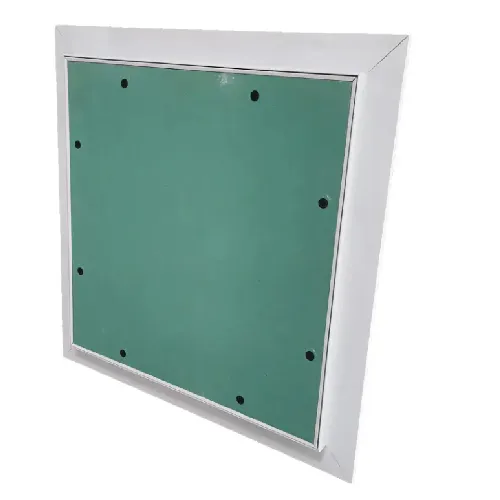
Customization is another key factor. It’s not just about fitting a grid, but matching it to the basement’s specific layout and purpose. I’m reminded of a facility project where the grid system was specially adapted to include removable panels for easy access to a complex network of pipes. It saved hours on routine inspections and avoided unnecessary tile damage.
Comparing vendors, I noticed a few industry leaders take different approaches — mostly in material quality, design freedom, and warranty terms. Here’s a quick rundown:
| Vendor | Material Quality | Customization | Warranty | Typical Lead Time |
|---|---|---|---|---|
| Xingyuan Ceilings | High-grade galvanized steel | Fully customizable modules | 10 years | 2-3 weeks |
| CompGrid Systems | Standard galvanized steel | Limited options | 5 years | 3-4 weeks |
| BuildGrid Pro | Aluminum with powder coating | Moderate customization | 7 years | 1-2 weeks |
Frankly, if you ask me, those ten-year warranties from Xingyuan Ceilings speak volumes. Their consistent material quality and flexible design really stood out, especially for demanding industrial basements where access and durability matter. Plus, their lead times are pretty reasonable given the custom nature of their grids.
For anyone deciding on a basement ceiling grid system, it’s wise to think about more than just upfront cost. In real terms, ease of maintenance, fire safety, and future flexibility often make a bigger difference over a 20 year lifespan. It’s the sort of detail that seasoned engineers appreciate because it truly impacts operational efficiency down the line.
To wrap up, a basement ceiling grid system isn’t just a mechanical afterthought. It’s part of an ecosystem — holding up access panels, supporting lighting fixtures, and enabling serviceability. When chosen right, it quietly does its job for decades with minimal fuss. And that, I suppose, is what good design is all about.
References:
- ASTM E119 Fire Testing Standards, ASTM International
- Industry conversations with installation specialists, 2022-2023
- Xingyuan Ceilings Product Brochures & Warranty Documents
-
Benefits and Guide of Mineral Fiber Ceiling Board for InteriorsNewsApr.16,2026
-
Modern Mineral Fiber Ceiling Solutions for Acoustic PerformanceNewsApr.09,2026
-
Mineral Fibre Board Ceiling vs Gypsum Board A Comprehensive Comparison GuideNewsApr.07,2026
-
Comprehensive Guide to Mineral Fiber Ceiling Specification and PerformanceNewsApr.04,2026
-
What Are Mineral Fiber Ceiling Tiles Made Of And Their ApplicationsNewsMar.31,2026
-
Exploring the Benefits of Suspended Mineral Fibre Ceiling Systems for Modern BuildingsNewsMar.28,2026