
Jan . 27, 2026 19:15 Back to list
A Detailed Guide to Installing Suspended Ceiling Tiles for a Stunning Finish
Installing Suspended Ceiling Tiles: A Comprehensive Guide
Installing a suspended ceiling can dramatically improve the look and functionality of a room, concealing unsightly wiring and ductwork while enhancing acoustics. This guide provides a detailed overview of the process, from preparation to finishing touches, ensuring a professional result. Whether you're a DIY enthusiast or a seasoned contractor, understanding the proper techniques is key to a successful installation. We'll cover everything you need to know, including materials, tools, and step-by-step instructions. You can find quality ceiling tiles and related products at Xingyuan Ceilings.
Planning and Preparation for Suspended Ceiling Installation
Before you begin, careful planning is crucial. First, determine the desired ceiling height. Consider existing utilities like pipes and ductwork, which may need to be rerouted or accommodated. Next, calculate the square footage of the room to determine the number of ceiling tiles and grid components needed. It’s generally wise to add 10-15% extra to account for cuts and waste. Finally, ensure the existing ceiling is structurally sound enough to support the weight of the suspended ceiling system. Thorough preparation will save you time and frustration later on. The Xingyuan Ceilings website offers helpful resources and calculators to assist with this stage.
Tools and Materials Required
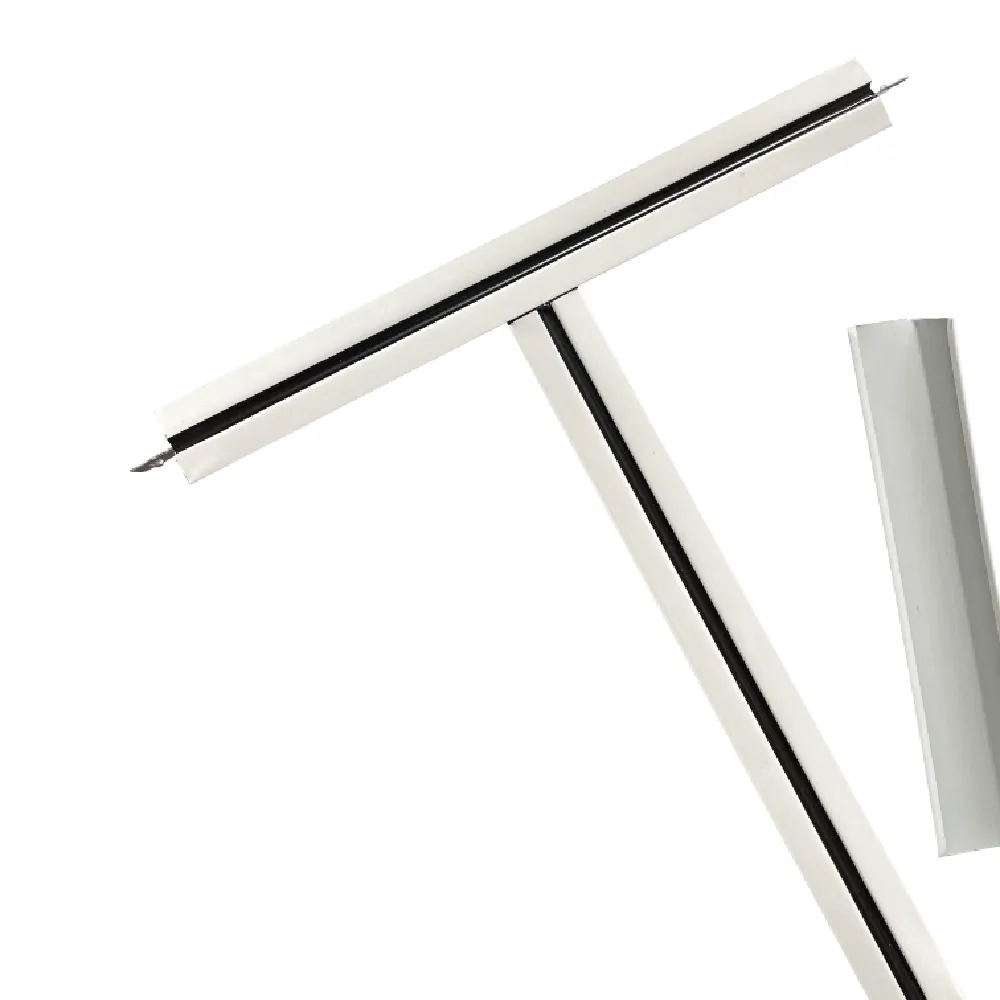
Successfully installing suspended ceiling tiles requires specific tools and materials. Essential tools include a laser level, measuring tape, chalk line, T-square, utility knife, safety glasses, and a stud finder. Materials will consist of main runners (primary tees), cross tees, wall angle molding, ceiling tiles, wire for hanging the grid, and fasteners. Choosing the right materials is essential for both the aesthetic and functional success of your project. Consider the room's moisture levels and choose tiles accordingly.
Essential Materials: Main runners, cross tees, wall angle molding, ceiling tiles, wire, and fasteners.
Step-by-Step Installation Guide
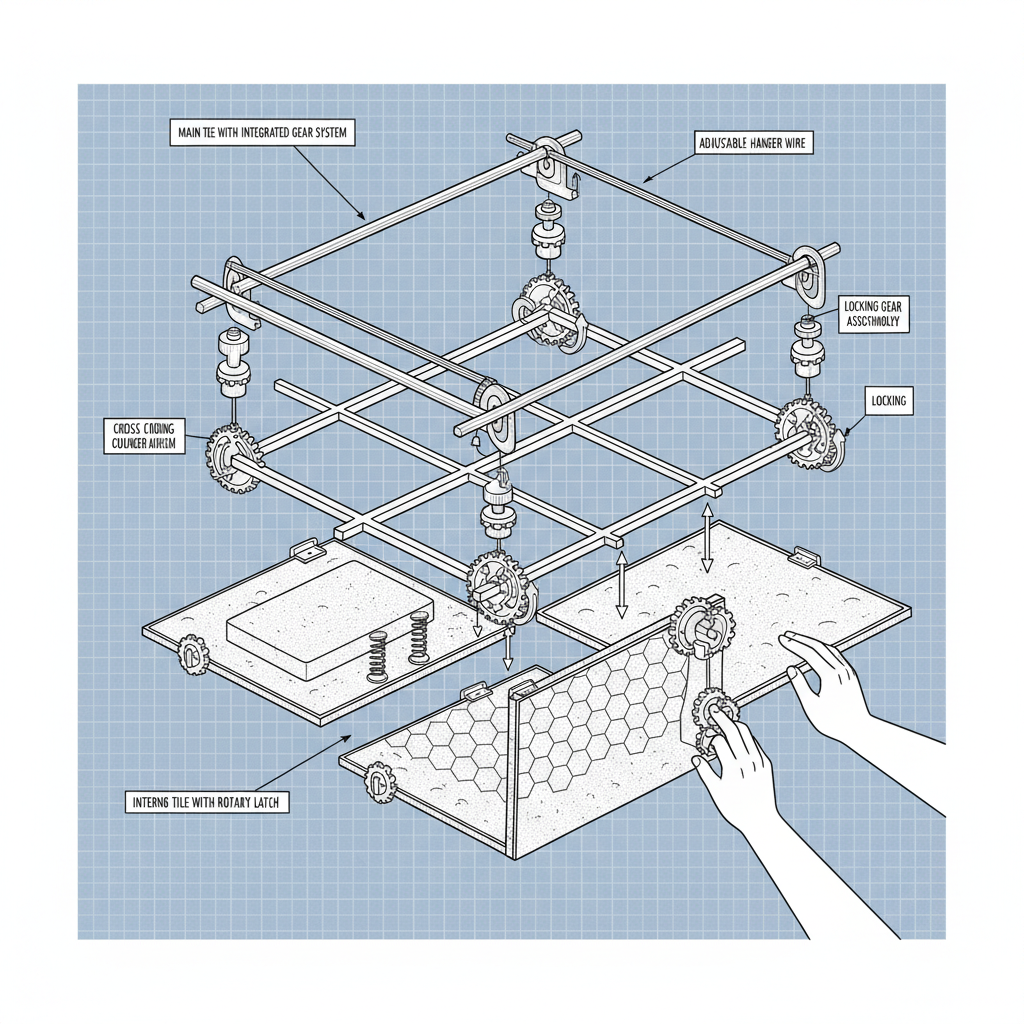
The installation process typically begins with establishing a level perimeter. Attach wall angle molding around the room, ensuring it’s level using a laser level. Next, hang the main runners, spacing them according to the tile size (usually 2ft x 4ft or 2ft x 2ft). Securely wire the runners to the existing ceiling joists. Then, install the cross tees, which interlock with the main runners to create the grid. Once the grid is complete, carefully insert the ceiling tiles, starting from one corner and working your way across the room. Cut tiles as needed to fit around fixtures and along the edges.
Installation Steps:
• Establish a level perimeter with wall angle molding
• Hang main runners and secure them to ceiling joists
• Install cross tees, interlocking them with the main runners
• Insert ceiling tiles, cutting as needed
Choosing the Right Ceiling Tile: Types & Comparison
Several types of ceiling tiles are available, each with its own advantages and disadvantages. Mineral fiber tiles are popular due to their affordability and sound absorption properties. Fiberglass tiles offer excellent fire resistance. Metal tiles provide a sleek, modern look and are highly durable. PVC tiles are moisture-resistant, making them suitable for bathrooms and kitchens. Consider the room’s function and aesthetic requirements when selecting the tile material. Xingyuan Ceilings offers a wide variety of options to suit every need.
Finishing Touches & Important Considerations
Once the tiles are in place, inspect the ceiling for any gaps or misalignments. Caulk around the perimeter where the wall angle meets the wall to create a seamless finish. Ensure all lighting fixtures are properly installed and wired. Finally, clean up any debris and enjoy your newly renovated space. Remember to prioritize safety throughout the installation process, wearing appropriate protective gear and following all electrical safety guidelines.
Conclusion: Enhance Your Space with a Professional Suspended Ceiling
Installing a suspended ceiling is a rewarding project that can significantly enhance the look and functionality of any room. With careful planning, the right tools and materials, and attention to detail, you can achieve a professional-looking result. Explore the wide range of ceiling tiles and components available at Xingyuan Ceilings to find the perfect solution for your needs.
Frequently Asked Questions (FAQs)
How much does it typically cost to install a suspended ceiling?
The cost of installing a suspended ceiling varies depending on the size of the room, the type of tiles chosen, and labor costs. Generally, materials can range from $2 to $10 per square foot, and labor costs can add another $2 to $5 per square foot. Therefore, a typical room might cost between $4 and $15 per square foot to install a suspended ceiling. Factors like complex cuts, rerouting utilities, and the need for specialized finishes can increase the cost. Obtaining quotes from multiple contractors is recommended to ensure a competitive price.
Can I install a suspended ceiling myself, or should I hire a professional?
While installing a suspended ceiling is a DIY-able project, it requires a certain level of skill and experience. If you’re comfortable with basic carpentry, measuring, and leveling, you may be able to tackle the project yourself. However, if you’re unfamiliar with these skills or have complex electrical or plumbing considerations, it’s best to hire a professional. A professional installer can ensure the ceiling is installed safely and correctly, saving you time and potential headaches.
What is the best way to cut ceiling tiles?
The best way to cut ceiling tiles depends on the material. For mineral fiber tiles, a utility knife with a sharp blade is usually sufficient. Score the tile several times along the desired cut line, then snap it along the score. For more durable tiles like metal or PVC, a circular saw with a fine-tooth blade or a specialized tile cutter is recommended. Always wear safety glasses and gloves when cutting tiles.
How do I handle wiring and lighting when installing a suspended ceiling?
Before installing a suspended ceiling, carefully inspect any existing wiring and lighting fixtures. Turn off the power to the circuit before working with any electrical components. If you need to relocate or reroute wiring, consult with a qualified electrician. Ensure all wiring is securely fastened and properly insulated. Recessed lighting fixtures can be installed within the grid, but it’s essential to follow the manufacturer’s instructions and local electrical codes.
-
Benefits and Guide of Mineral Fiber Ceiling Board for InteriorsNewsApr.16,2026
-
Modern Mineral Fiber Ceiling Solutions for Acoustic PerformanceNewsApr.09,2026
-
Mineral Fibre Board Ceiling vs Gypsum Board A Comprehensive Comparison GuideNewsApr.07,2026
-
Comprehensive Guide to Mineral Fiber Ceiling Specification and PerformanceNewsApr.04,2026
-
What Are Mineral Fiber Ceiling Tiles Made Of And Their ApplicationsNewsMar.31,2026
-
Exploring the Benefits of Suspended Mineral Fibre Ceiling Systems for Modern BuildingsNewsMar.28,2026