
Mar . 05, 2026 02:15 Back to list
Comprehensive Guide to Mineral Fibre Board Insulation for Buildings
Mineral Fibre Board Insulation: A Comprehensive Guide
When choosing insulation for your building project, understanding the different materials available is crucial. Mineral fibre board insulation offers a compelling combination of thermal performance, fire resistance, and sound absorption. This article will delve into the benefits, applications, and factors to consider when using mineral fibre board insulation, providing a thorough overview for builders, architects, and homeowners. Choosing the right insulation can significantly impact energy efficiency and building safety.
What is Mineral Fibre Board Insulation?
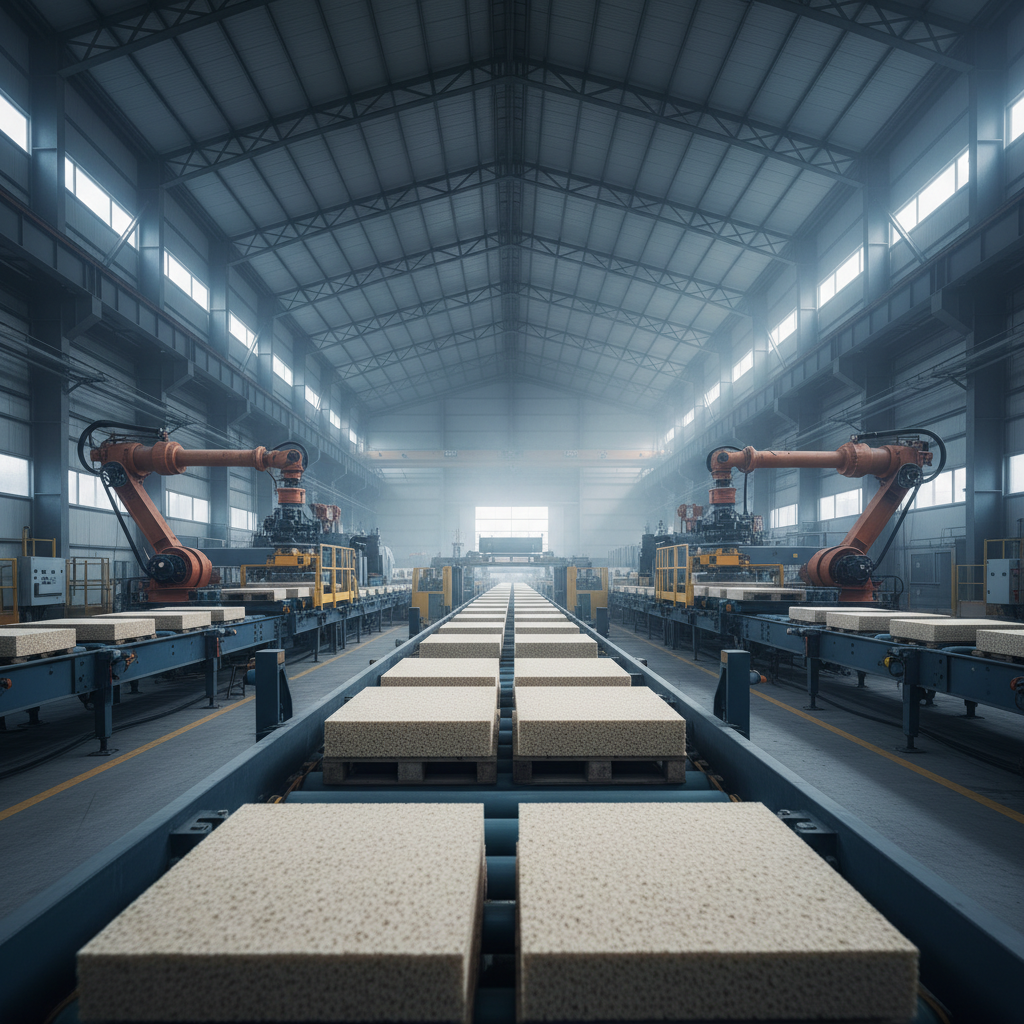
Mineral fibre board insulation is manufactured from molten rock or glass, spun into fibres and then compressed into rigid or semi-rigid boards. This process creates a material with excellent thermal properties and a unique fibre structure that provides superior sound absorption. There are two main types: rock mineral wool and glass mineral wool. Rock mineral wool is typically made from basalt rock, while glass mineral wool is made from recycled glass. Both types are known for their non-combustibility and ability to withstand high temperatures. Xingyuan Ceilings offers a range of high-quality mineral fibre boards designed for diverse applications.
Key Highlights: Excellent thermal performance, non-combustible, superior sound absorption, and available in various densities and thicknesses.
Key Benefits of Using Mineral Fibre Board Insulation
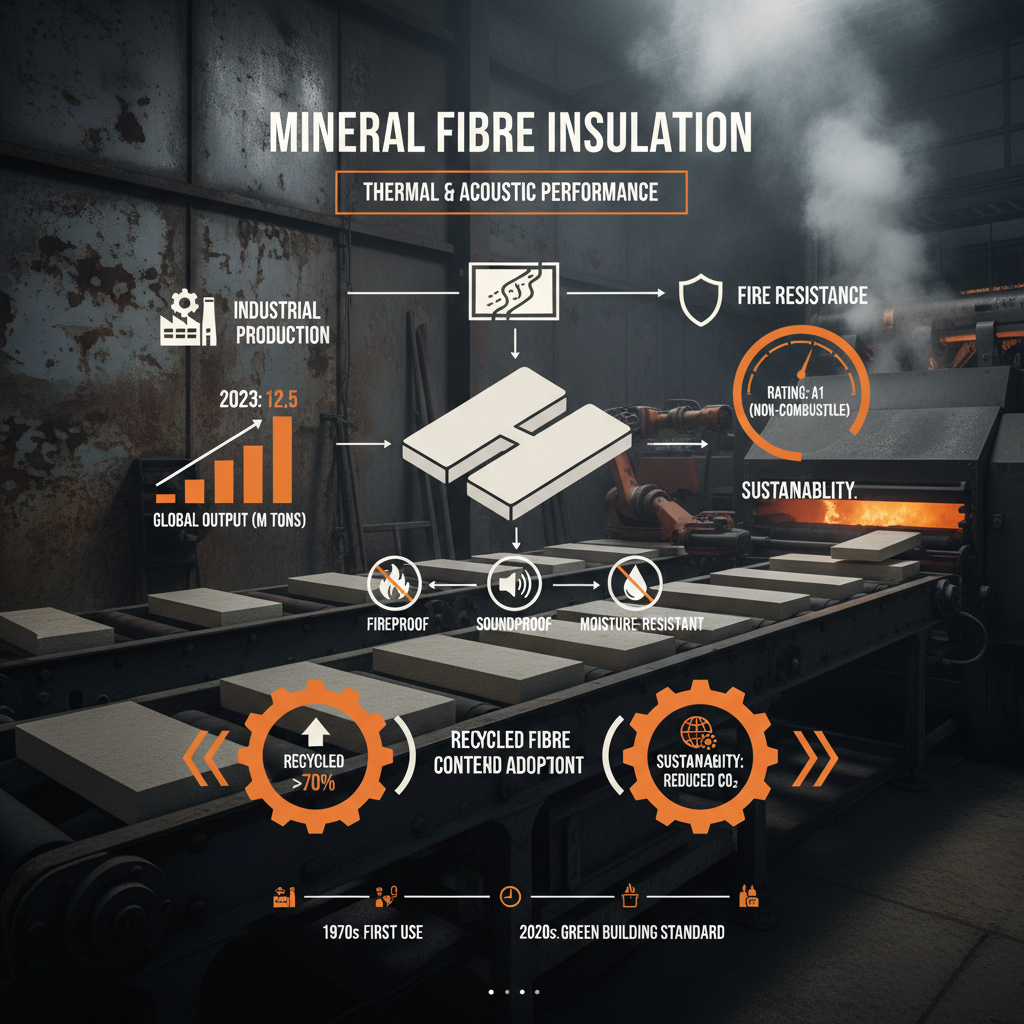
Mineral fibre board insulation provides numerous benefits, making it a popular choice for a wide range of building applications. Firstly, its excellent thermal resistance reduces heat transfer, lowering energy bills and improving building comfort. Secondly, its non-combustible nature significantly enhances fire safety, providing crucial protection in the event of a fire. Thirdly, the fibrous structure effectively absorbs sound, reducing noise pollution and creating quieter indoor environments. Finally, it's a sustainable material, often manufactured from recycled content, contributing to environmentally friendly building practices.
Benefits at a Glance:
• Excellent Thermal Resistance
• Non-Combustible & Fire Resistant
• Superior Sound Absorption
• Sustainable & Often Recycled Content
Mineral Fibre Board Insulation vs. Other Insulation Materials
Comparing mineral fibre board insulation to other options like fiberglass, foam, and cellulose is vital for making an informed decision. While fiberglass is often cheaper, mineral fibre offers superior fire resistance and sound absorption. Foam insulations can have high R-values but are typically more expensive and less environmentally friendly. Cellulose, while sustainable, may settle over time, reducing its effectiveness. Mineral fibre strikes a good balance between performance, cost, and sustainability.
Applications of Mineral Fibre Board Insulation
Mineral fibre board insulation is incredibly versatile and suitable for a wide range of applications, including: walls, roofs, floors, attics, internal partitions, and even industrial equipment. It’s commonly used in both residential and commercial buildings, providing thermal and acoustic comfort. Its fire-resistant properties make it particularly suitable for areas with stringent fire safety regulations, such as escape routes and service shafts. Xingyuan Ceilings provides mineral fibre solutions designed for diverse architectural needs.
Choosing the Right Mineral Fibre Board: Key Considerations
When selecting mineral fibre board insulation, consider factors like density, thickness, and thermal conductivity (R-value). Higher density boards offer better sound absorption, while thicker boards provide greater thermal resistance. Ensure the chosen product meets relevant building codes and safety standards. It's also important to consider the installation method and ensure proper handling to avoid skin irritation from the fibres.
Conclusion: A Sustainable and Effective Insulation Solution
Mineral fibre board insulation offers a compelling blend of performance, safety, and sustainability. From improving energy efficiency to enhancing fire protection and sound control, it's a versatile solution for a wide range of building projects. Choosing a reputable supplier like Xingyuan Ceilings ensures you receive high-quality products and expert guidance.
Frequently Asked Questions (FAQs)
Is mineral fibre board insulation safe to handle?
While mineral fibre is generally safe, the fibres can cause temporary skin and respiratory irritation. It's crucial to wear appropriate personal protective equipment (PPE) during installation, including gloves, a dust mask, and eye protection. Long sleeves and trousers are also recommended. Ensure adequate ventilation in the work area. Always follow the manufacturer's safety guidelines and refer to the material safety data sheet (MSDS) for detailed information.
What is the R-value of mineral fibre board insulation?
The R-value of mineral fibre board insulation varies depending on the density and thickness of the board. Generally, R-values range from 3.0 to 4.0 per inch. Higher R-values indicate greater thermal resistance. Consult the product specifications sheet for the specific R-value of the board you are considering. It’s important to choose an R-value appropriate for your climate and building requirements.
Can mineral fibre board insulation get wet?
Mineral fibre board is not waterproof, but it is water-resistant. It can withstand some moisture without significant degradation of its thermal performance. However, prolonged exposure to water can reduce its effectiveness and potentially lead to mould growth. It is essential to protect the insulation from direct water contact, such as leaks or condensation, with a vapor barrier or other appropriate moisture management system.
How does mineral fibre board contribute to sustainability?
Mineral fibre boards often contain a high percentage of recycled content, reducing the demand for virgin materials. They are also recyclable at the end of their lifespan. Furthermore, their excellent thermal performance reduces energy consumption, lowering carbon emissions. Choosing mineral fibre board insulation is a sustainable building practice that benefits both the environment and building occupants.
-
Benefits and Guide of Mineral Fiber Ceiling Board for InteriorsNewsApr.16,2026
-
Modern Mineral Fiber Ceiling Solutions for Acoustic PerformanceNewsApr.09,2026
-
Mineral Fibre Board Ceiling vs Gypsum Board A Comprehensive Comparison GuideNewsApr.07,2026
-
Comprehensive Guide to Mineral Fiber Ceiling Specification and PerformanceNewsApr.04,2026
-
What Are Mineral Fiber Ceiling Tiles Made Of And Their ApplicationsNewsMar.31,2026
-
Exploring the Benefits of Suspended Mineral Fibre Ceiling Systems for Modern BuildingsNewsMar.28,2026