
Apr . 07, 2026 02:15 Back to list
Mineral Fibre Board Ceiling vs Gypsum Board A Comprehensive Comparison Guide
Mineral Fibre Board Ceiling vs Gypsum Board: A Comprehensive Guide
When choosing a ceiling material for commercial or residential spaces, the decision often comes down to mineral fibre board ceilings and gypsum board. Both offer distinct advantages, but understanding their key differences is crucial for selecting the best option for your project. This article delves into the characteristics, benefits, and applications of each material, helping you make an informed decision. We’ll cover everything from acoustic performance to fire resistance, and cost-effectiveness.
Understanding Mineral Fibre Board Ceilings
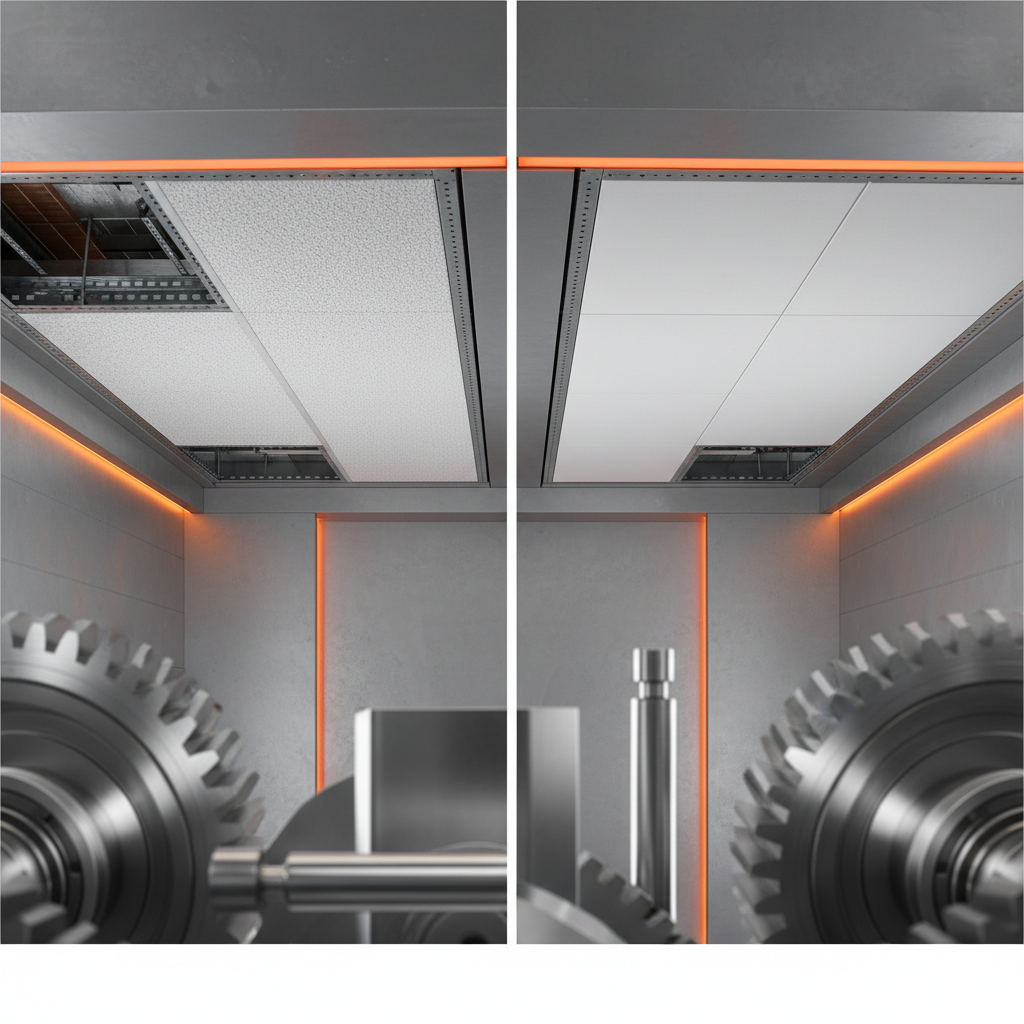
Mineral fibre board ceilings are manufactured from a combination of mineral wool (typically slag wool, rock wool, or glass wool), clay, and other binding agents. This composition results in a ceiling tile known for its exceptional acoustic properties. They excel at absorbing sound, making them ideal for offices, classrooms, and other spaces where noise control is important. Xingyuan Ceilings offers a wide range of mineral fibre board options tailored to different acoustic requirements.
The Advantages of Gypsum Board Ceilings
Gypsum board, also known as drywall or plasterboard, is a widely used ceiling material comprised of gypsum plaster pressed between two thick sheets of paper. It's favored for its smooth surface, ease of installation, and relatively low cost. Gypsum board is highly versatile and can be easily painted, textured, or finished to create a variety of aesthetic looks. It's commonly found in residential buildings and commercial spaces where a seamless ceiling finish is desired.
Key Highlights: Gypsum board offers a smooth surface that’s easily finished, is relatively inexpensive, and is a familiar material for many contractors.
Mineral Fibre Board Ceiling vs Gypsum Board: A Detailed Comparison
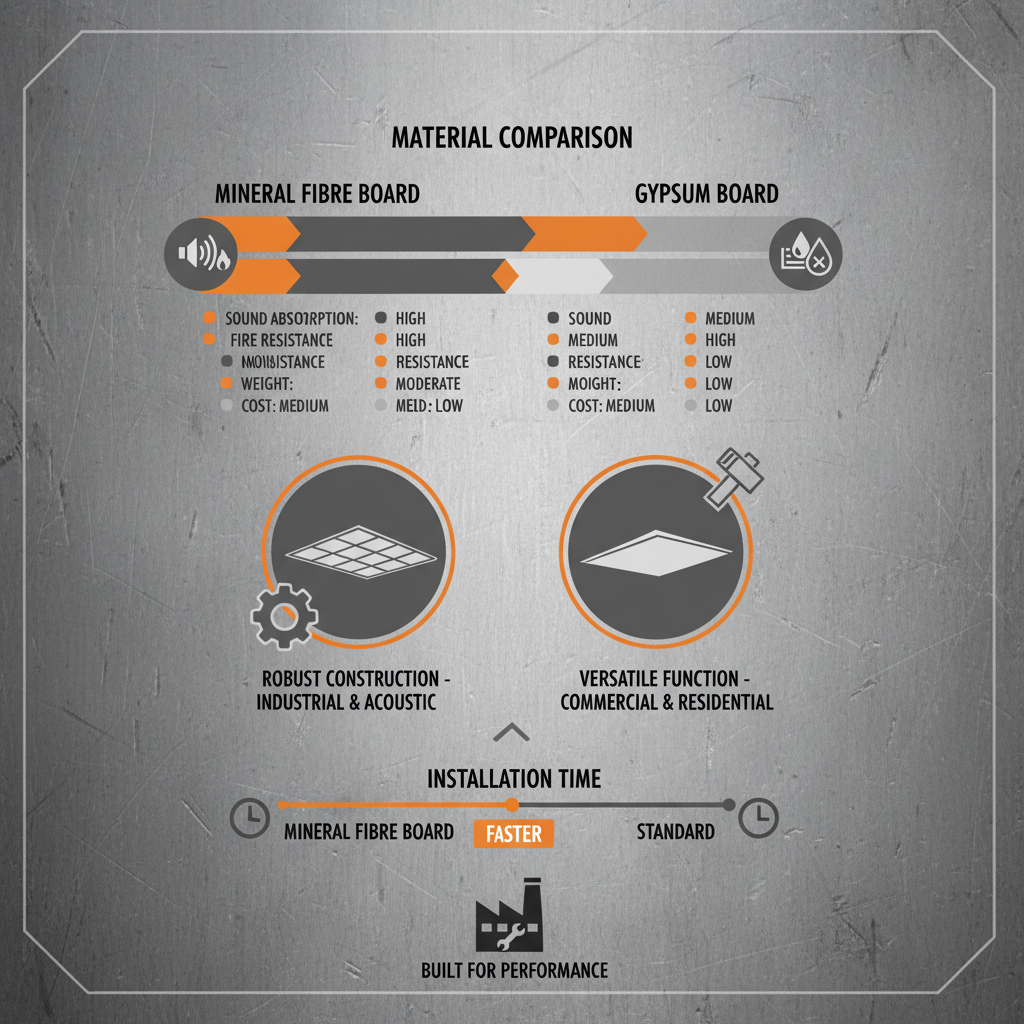
Choosing between mineral fibre and gypsum board requires careful consideration of your project’s needs. Here's a detailed comparison of key factors:
Applications: Where Each Material Excels
Mineral fibre board ceilings are best suited for spaces demanding acoustic control, such as offices, schools, hospitals, and recording studios. They are also a good choice where fire resistance is a critical factor. Gypsum board ceilings are ideal for residential homes, retail spaces, and commercial buildings where a smooth, paintable finish is desired and acoustic performance is less critical. Choosing Xingyuan Ceilings ensures access to high-quality materials for any application.
Installation and Maintenance Considerations
Gypsum board is generally easier and faster to install, requiring standard drywall techniques. Mineral fibre board installation may require specialized tools and expertise to ensure proper fit and performance. Both materials are relatively low-maintenance, but mineral fibre boards are more susceptible to damage from physical impact. Regular inspection and prompt repair of any damage are essential for maintaining both types of ceilings.
Conclusion: Choosing the Right Ceiling for Your Needs
Ultimately, the best choice between mineral fibre board and gypsum board depends on your specific requirements. If acoustic performance and fire resistance are paramount, mineral fibre is the superior option. If cost-effectiveness and ease of installation are primary concerns, gypsum board may be a better fit. Carefully assess your project’s needs and budget to make the most informed decision.
Frequently Asked Questions (FAQs)
What is NRC rating and why is it important for mineral fibre boards?
NRC, or Noise Reduction Coefficient, is a measure of how well a material absorbs sound. It ranges from 0 to 1, with 1 representing perfect sound absorption. Mineral fibre boards have a high NRC rating, typically between 0.60 and 0.85, making them excellent at reducing noise and reverberation in a space. This is crucial for creating comfortable and productive environments in offices, classrooms, and other noise-sensitive areas. Choosing a board with a higher NRC will significantly improve acoustic performance.
Can gypsum board be used in areas with high humidity?
Standard gypsum board is not recommended for areas with high humidity, such as bathrooms or kitchens, as it is susceptible to moisture damage and mold growth. However, moisture-resistant gypsum board (often called green board or blue board) is available. This type of gypsum board is treated to resist moisture penetration, making it suitable for these applications. Always check the manufacturer's specifications and ensure the board is appropriate for the specific humidity level.
What are the fire resistance ratings for mineral fibre board and gypsum board?
Mineral fibre boards inherently offer excellent fire resistance due to their mineral composition. They typically have a fire resistance rating of at least 1 hour, and some can achieve ratings of up to 2 hours. Gypsum board also has good fire resistance, but it varies depending on the thickness and type of board. Fire-rated gypsum board is specifically designed to resist fire for a certain period, typically ranging from 30 minutes to 2 hours. Always consult the manufacturer's data sheet for specific fire resistance ratings.
How does the weight of each material affect installation?
Mineral fibre boards are generally lighter than gypsum boards, making them easier to handle and install, especially for ceiling applications. This can reduce labor costs and installation time. Gypsum boards, being heavier, may require more support and careful handling during installation. The weight difference also impacts the structural load on the building's framework, which should be considered during the design phase.
-
Benefits and Guide of Mineral Fiber Ceiling Board for InteriorsNewsApr.16,2026
-
Modern Mineral Fiber Ceiling Solutions for Acoustic PerformanceNewsApr.09,2026
-
Comprehensive Guide to Mineral Fiber Ceiling Specification and PerformanceNewsApr.04,2026
-
What Are Mineral Fiber Ceiling Tiles Made Of And Their ApplicationsNewsMar.31,2026
-
Exploring the Benefits of Suspended Mineral Fibre Ceiling Systems for Modern BuildingsNewsMar.28,2026