
Mar . 31, 2026 02:15 Back to list
What Are Mineral Fiber Ceiling Tiles Made Of And Their Applications
What Are Mineral Fiber Ceiling Tiles Made Of?
Mineral fiber ceiling tiles are a widely used and cost-effective solution for commercial and residential spaces. But have you ever wondered what mineral fiber ceiling tiles are made of? This article will delve into the composition, manufacturing process, benefits, and applications of these versatile tiles. Understanding their makeup helps you make informed decisions when choosing the right ceiling solution for your project. We’ll explore the key ingredients and processes that create these durable and aesthetically pleasing ceiling components.
The Core Components: A Breakdown of Materials
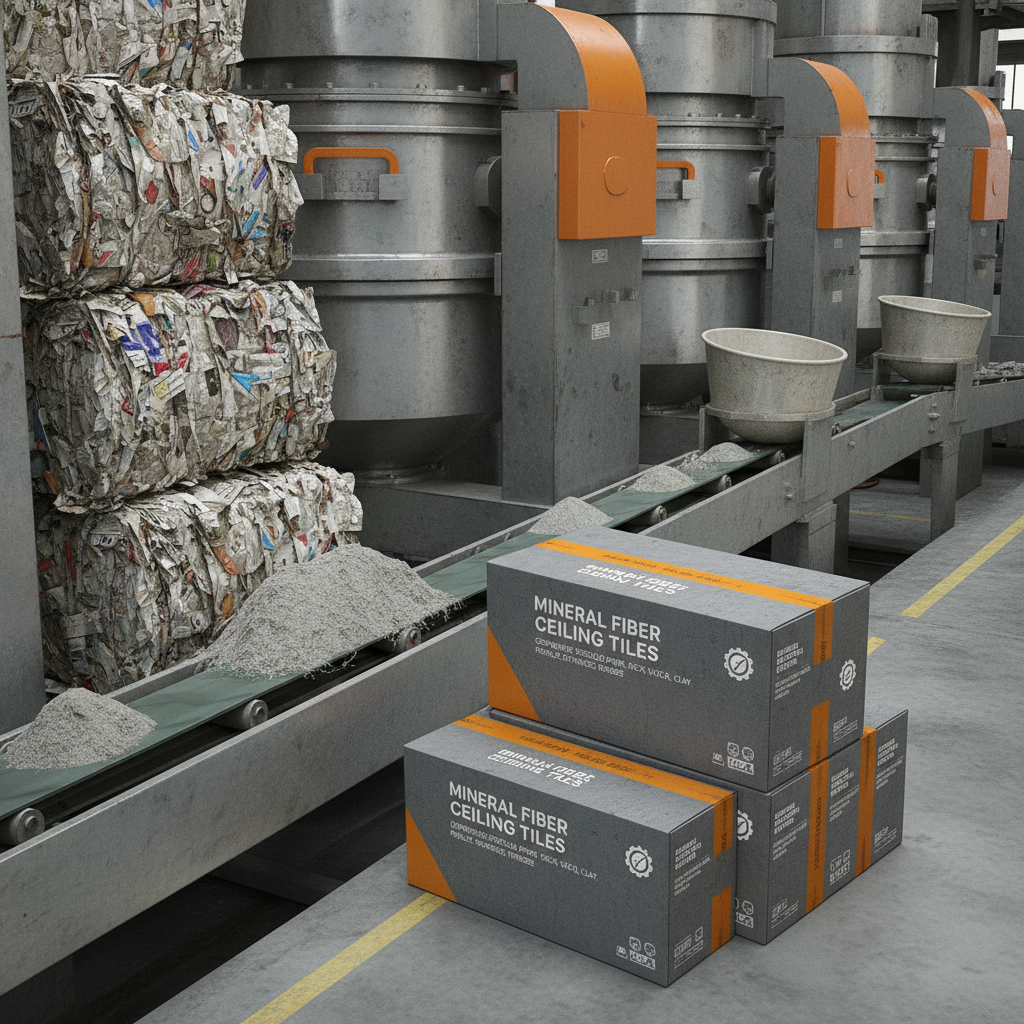
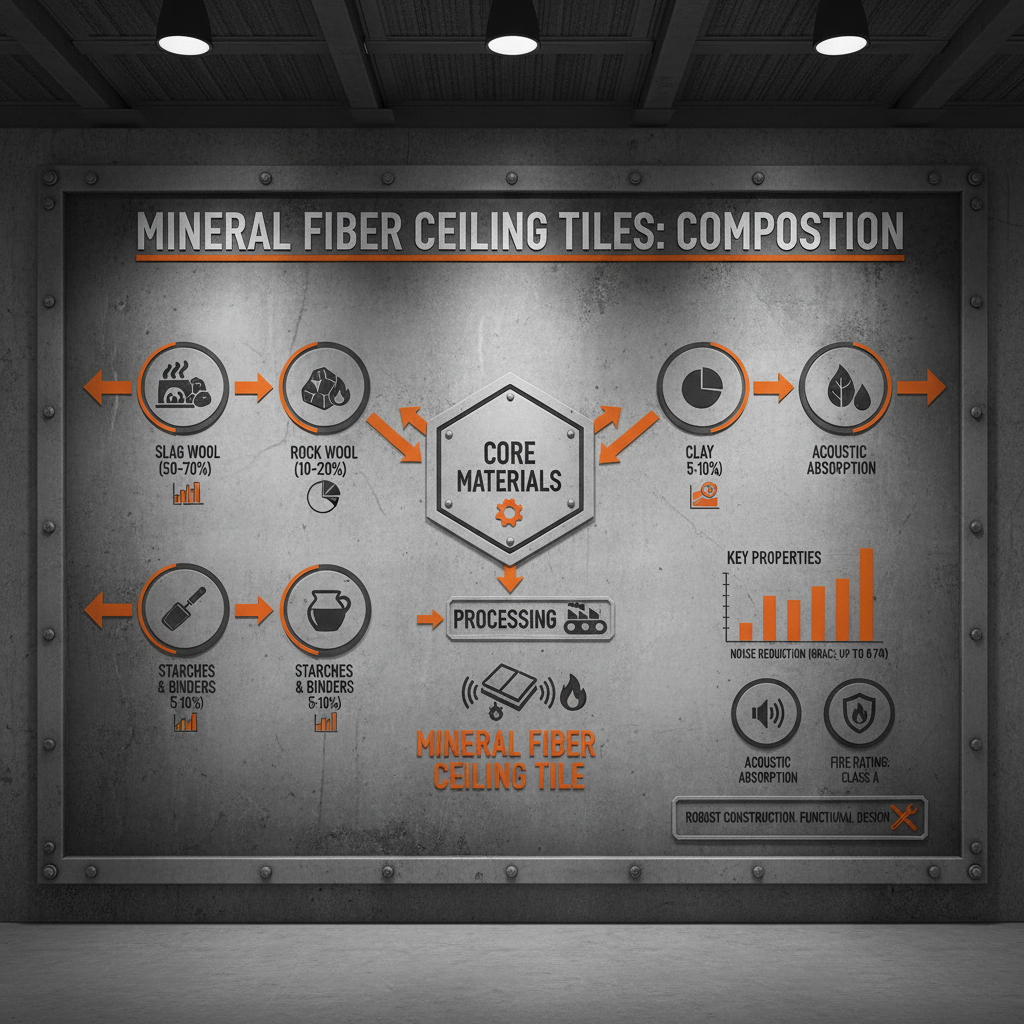
The primary components of mineral fiber ceiling tiles typically include mineral wool, cellulose fibers, starch, and a binder. Mineral wool, often made from slag (a byproduct of metal smelting) or rock, forms the bulk of the tile, providing the structural integrity and sound absorption properties. Cellulose fibers, often recycled paper, add to the tile's structure and contribute to its sustainability. Starch acts as a temporary binder during the manufacturing process, holding the materials together before they are fully dried and hardened. Finally, a binding agent, usually a synthetic polymer, permanently binds the fibers, creating a durable and stable tile.
Key Ingredients: Mineral Wool (slag or rock), Cellulose Fibers (recycled paper), Starch (temporary binder), Synthetic Polymer (permanent binder).
Understanding Mineral Wool: Slag vs. Rock Wool
Mineral wool, the foundation of these tiles, comes in two primary forms: slag wool and rock wool. Slag wool is created from the slag left over from steel production, making it a recycled material. It generally offers excellent sound absorption properties and is often more cost-effective. Rock wool, on the other hand, is made from molten rock – typically basalt or diabase – spun into fibers. Rock wool tends to have higher fire resistance than slag wool. The choice between the two often comes down to specific project requirements, budget considerations, and desired performance characteristics. You can find more details on material options at Xingyuan Ceilings.
Mineral Wool Comparison:
• Slag Wool: Recycled, excellent sound absorption, cost-effective.
• Rock Wool: Higher fire resistance, made from natural rock.
The Manufacturing Process: From Raw Materials to Finished Tiles
The production of mineral fiber ceiling tiles involves several key steps. First, the raw materials (mineral wool, cellulose fibers, starch, and binder) are thoroughly mixed in precise proportions. This mixture is then formed into a mat using a wet-laid process, similar to papermaking. The mat is pressed and cut into the desired tile sizes. The tiles then undergo a drying process, which hardens the starch and activates the synthetic binder. Finally, the tiles may be finished with a coating or paint for aesthetic appeal and enhanced performance. The precision of this process ensures consistent quality and performance.
What Are Mineral Fiber Ceiling Tiles Made Of: Comparing to Other Ceiling Materials
Compared to other popular ceiling materials, mineral fiber tiles offer a unique combination of properties. Gypsum tiles, for example, are less effective at sound absorption and have lower fire resistance. Fiberglass tiles offer similar sound absorption but can be more expensive. Metal ceilings are durable but lack the acoustic benefits of mineral fiber. Here’s a quick comparison:
Applications and Benefits
Mineral fiber ceiling tiles are exceptionally versatile. They are commonly used in offices, schools, healthcare facilities, retail spaces, and residential buildings. Their benefits include excellent sound absorption, reducing noise levels for improved comfort and privacy. They also contribute to fire safety, offering a degree of fire resistance. Furthermore, they are relatively lightweight, making installation easier. Xingyuan Ceilings offers a wide range of mineral fiber tiles suitable for diverse applications.
Conclusion
In conclusion, mineral fiber ceiling tiles are a robust and versatile choice for a wide range of interior projects. Understanding what mineral fiber ceiling tiles are made of – from the mineral wool base to the binding agents – allows you to select the right tile for your specific needs. Their acoustic properties, fire resistance, and cost-effectiveness make them a popular solution for both commercial and residential applications.
Frequently Asked Questions (FAQs)
Are mineral fiber ceiling tiles environmentally friendly?
Many mineral fiber ceiling tiles contain recycled content, particularly cellulose fibers from recycled paper, making them a more sustainable choice compared to some other ceiling materials. The use of slag wool also repurposes a byproduct from steel production. However, it’s important to check the product specifications for the exact percentage of recycled content and any environmental certifications. Look for tiles with low VOC emissions for improved indoor air quality.
How do mineral fiber tiles perform in terms of fire safety?
Mineral fiber tiles generally offer good fire resistance due to the inherent properties of mineral wool. They can help delay the spread of fire and limit smoke development. Most tiles meet specific fire safety standards, such as ASTM E84, which tests surface burning characteristics. The specific fire rating will vary depending on the tile's composition and construction. Always check the product’s fire safety data sheet for detailed information.
Can mineral fiber ceiling tiles be painted?
Yes, many mineral fiber ceiling tiles can be painted, but it's crucial to use a paint specifically designed for porous surfaces like mineral fiber. Standard paints may not adhere well and could affect the tile's acoustic properties. Using the wrong type of paint can also cause the tiles to sag or distort. Always follow the manufacturer’s recommendations regarding paint type and application.
-
Benefits and Guide of Mineral Fiber Ceiling Board for InteriorsNewsApr.16,2026
-
Modern Mineral Fiber Ceiling Solutions for Acoustic PerformanceNewsApr.09,2026
-
Mineral Fibre Board Ceiling vs Gypsum Board A Comprehensive Comparison GuideNewsApr.07,2026
-
Comprehensive Guide to Mineral Fiber Ceiling Specification and PerformanceNewsApr.04,2026
-
Exploring the Benefits of Suspended Mineral Fibre Ceiling Systems for Modern BuildingsNewsMar.28,2026