
Dec . 02, 2025 15:32 Back to list
Access Panel Gypsum: Key Insights for Modern Building Access Solutions
Understanding Access Panel Gypsum: A Practical Solution in Modern Construction
If you’ve ever peeked behind a wall or ceiling to check on plumbing or wiring, there’s a good chance you came across an access panel gypsum. It’s one of those modest yet essential building components, often overlooked but incredibly important. Worldwide, these panels play a huge role in ensuring safe, efficient, and maintainable spaces in everything from homes to hospitals. Given the growing emphasis on smarter, more sustainable building practices, knowing what access panel gypsum entails and why it matters can be a real asset for architects, builders, and even humanitarian organizations.
Global Context: Why Access Panel Gypsum Matters
In a world increasingly focused on infrastructure resilience and streamlined construction, access panels made from gypsum-based materials are gaining international traction. According to the International Organization for Standardization (ISO), accessibility in building components directly affects maintenance efficiency and safety standards. Around 60% of modern buildings, especially in urban centers across Europe, Asia, and North America, now incorporate gypsum-based access panels to ensure concealed systems remain reachable without tearing down structures — making repairs and inspections far easier.
But there’s a problem: many older buildings still rely on makeshift openings or metal panels that can rust, corrode, or damage interiors. In humanitarian contexts, such as post-disaster shelters, quick and clean access panels reduce downtime for essential repairs. Hence, the rise in demand for well-designed access panel gypsum solutions.
What Exactly Is Access Panel Gypsum?
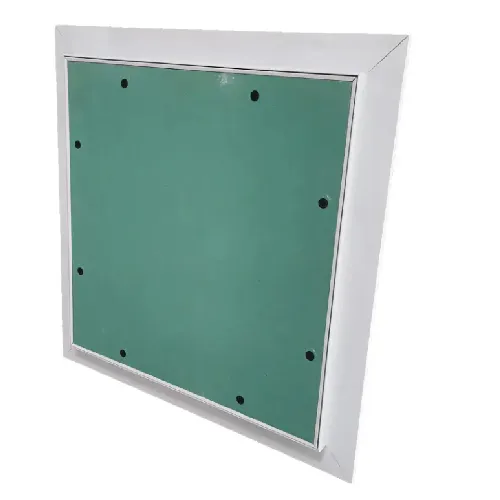
Simply put, an access panel gypsum is a flat, removable section of a wall or ceiling made primarily from gypsum plaster encased in paper or fiberglass mats. It gives building professionals a neat way to reach hidden utilities like electrical wiring, plumbing, or HVAC components without major demolition. Often integrated seamlessly with surrounding wallboard or ceiling tiles, these panels maintain aesthetics while boosting functionality.
Gypsum-based access panels are lightweight yet sturdy, fire-resistant, and relatively easy to install — characteristics that align well with modern construction and humanitarian needs, where safety and speed are paramount.
Core Components: Key Factors Behind Access Panel Gypsum
1. Durability
Gypsum panels are known for their fire-resistant properties due to the water molecules trapped within their crystalline structure. This means if there’s a small fire near wiring or ductwork, the panel can help slow combustion spread. Plus, they resist dents and cracks better than many plastic or metal counterparts.
2. Design Versatility
From square to rectangular shapes, with various size options (something like 12"x12" or 24"x24"), they fit many architectural layouts. Most come with finishing options to blend perfectly with painted walls or textured ceilings.
3. Cost Efficiency
Compared to metal panels, gypsum variations are often less expensive to manufacture and ship — not to mention easier to cut on-site if needed. That said, prices vary by thickness, fire rating, and additional reinforcements.
4. Maintenance and Accessibility
Gypsum access panels allow for rapid opening and closing without tools in many cases, helping technicians save time over traditional panel types.
5. Sustainability
Gypsum is a naturally occurring mineral, and modern panels often incorporate recycled content, making them greener alternatives within the building sector.
Product Specification Snapshot
| Feature | Standard Size | Fire Rating | Material | Finish |
|---|---|---|---|---|
| Typical Dimensions | 12"x12", 18"x18", 24"x24" | Up to 2 hours (varies) | Gypsum core with paper/fiberglass facing | Primed, paint-ready / Textured |
Where Are Access Panel Gypsum Used Globally?
- Urban Buildings: Offices, hospitals, and schools around the world often use gypsum access panels for neat wall integration and fire safety.
- Humanitarian & Disaster Relief: Quick installation of gypsum panels in temporary housing has helped NGOs access critical utilities during emergency rebuilds.
access panel gypsum - Industrial Facilities: Factories with complex piping and cabling use these panels to simplify routine inspections.
- Residential Constructions: New homes benefit from concealed easy-access points for periodic maintenance without invasive repairs.
Vendor Comparison: Leading Access Panel Gypsum Providers
| Manufacturer | Material Quality | Customization Options | Lead Time | Price Range |
|---|---|---|---|---|
| GypsumCraft | High-grade gypsum with fiberglass facing | Wide (sizes, finishes, fire-rating) | 2-3 weeks | $$$ |
| PanelPro | Standard gypsum core | Limited custom sizes | 1-2 weeks | $$ |
| EcoAccess | Recycled gypsum with eco-friendly paper | Focused on sustainability options | 3-4 weeks | $$$ |
Why Choose Access Panel Gypsum? Advantages & Long-Term Benefits
It’s not just about hiding a hole in a wall. An access panel gypsum brings a whole range of advantages. Frankly, it’s about safety — gypsum’s fire-resistance properties often slow down fires long enough to prevent disaster escalation. It’s also about dignity and usability. Imagine a hospital where quick maintenance of medical gas lines or wiring behind panels saves lives — no cumbersome metal plates to unscrew, just swift access.
Plus, these panels offer cost savings over time. Less invasive repairs keep renovation costs down, and many models blend invisibly with existing interiors, so no costly touch-ups required.
From an environmental perspective, gypsum panels are often recyclable and made from abundant natural minerals, ticking sustainability boxes for green buildings.
Looking Ahead: Future Trends in Access Panel Gypsum
Emerging innovations include integrating sensors within panels to monitor humidity or temperature behind walls, hinting at a future where access panels do more than just open easily — they actively protect buildings. Meanwhile, digital fabrication methods like CNC cutting allow for precision custom panels tailored to unique architectural demands.
There’s also a push for eco-friendly formulations, leveraging recycled gypsum or incorporating bio-based additives to reduce carbon footprints further.
Addressing Challenges: Practical Insights
Of course, no solution is perfect. Some gypsum panels can be vulnerable to moisture damage if not properly sealed, making installation quality vital. Also, cutting panels on-site requires care to avoid dust and fragment damage. Lightweight though they are, improper handling can crack edges, reducing fire resistance.
Solutions? Many manufacturers now add fiberglass facings or water-resistant coatings. And several training programs emphasize best installation practices — something contractors increasingly adopt.
FAQ: Your Top Questions About Access Panel Gypsum
- Q: How does an access panel gypsum differ from metal panels?
A: Gypsum panels are lighter, fire-resistant, and blend into walls better than metal. Metal is more durable against physical impact but can corrode and looks industrial. - Q: Can these panels be painted over?
A: Absolutely. Most come primed and ready for paint or texturing, ensuring a seamless look. - Q: Are gypsum access panels suitable for wet areas?
A: Standard gypsum panels aren't ideal for moist conditions, but water-resistant versions with special facings are available. - Q: How easy is it to retrofit panels into existing walls?
A: With correct tools and proper sizing, retrofitting is straightforward, often not requiring extensive wall damage. - Q: Where can I source high-quality access panel gypsum?
A: Trusted vendors like GypsumCraft, PanelPro, and EcoAccess offer a range of options tailored to different needs. See more at access panel gypsum.
In Conclusion: Why Invest in Access Panel Gypsum?
In real terms, access panel gypsum is a small but mighty element in modern construction and maintenance. It enhances safety, practicality, and aesthetics all at once — making life easier for builders, technicians, and occupants alike. As urban infrastructures evolve and sustainability becomes a priority, these panels are set to become an even bigger part of how we build and maintain the world around us.
If you want to explore more or find suppliers, don’t hesitate to visit our website for detailed information, product options, and expert support.
Quick takeaway: An access panel gypsum merges form and function, offering a clever, cost-effective doorway to hidden building systems that saves time, money, and often, stress.
References:1. Wikipedia: Gypsum
2. ISO Fire Safety Standards
3. World Bank: Urban Development
-
Benefits and Guide of Mineral Fiber Ceiling Board for InteriorsNewsApr.16,2026
-
Modern Mineral Fiber Ceiling Solutions for Acoustic PerformanceNewsApr.09,2026
-
Mineral Fibre Board Ceiling vs Gypsum Board A Comprehensive Comparison GuideNewsApr.07,2026
-
Comprehensive Guide to Mineral Fiber Ceiling Specification and PerformanceNewsApr.04,2026
-
What Are Mineral Fiber Ceiling Tiles Made Of And Their ApplicationsNewsMar.31,2026
-
Exploring the Benefits of Suspended Mineral Fibre Ceiling Systems for Modern BuildingsNewsMar.28,2026