
Nov . 28, 2025 21:00 Back to list
Discover the Benefits of Gypsum Access Panels for Efficient Building Maintenance
What Is a Gypsum Access Panel and Why It Matters Globally
Gypsum access panels are often the unsung heroes of modern construction and infrastructure projects. In essence, these panels provide concealed yet easy access points to utilities hidden behind walls and ceilings — think plumbing, electrical, or HVAC components. Why is this a global topic? Because buildings everywhere, from humble homes in Southeast Asia to sprawling hospitals in Europe, rely on efficient maintenance solutions to stay safe and functional.
Understanding gypsum access panels helps engineers, architects, and facility managers save time and money while promoting sustainable building practices. These panels enhance building longevity, reduce repair disruption, and support modern design aesthetics. In a world where infrastructure failures can have catastrophic consequences, having reliable access solutions is more than convenience — it’s a necessity.
The Global Scope of Gypsum Access Panels
Buildings consume about 40% of global energy, according to the International Energy Agency, and maintenance access points — including gypsum access panels — play a pivotal role in helping facilities meet energy efficiency and safety standards. ISO standards also stress the importance of maintainability in construction products, underscoring the need for reliable access solutions.
Consider the challenge faced in disaster-prone regions: damaged water pipes or gas lines need urgent repairs, but removing large sections of walls or ceilings is costly and time-consuming. Gypsum access panels offer a neat fix, literally and figuratively.
From commercial skyscrapers in New York to public hospitals in India, these panels help reduce downtime and limit invasive repairs, making them globally relevant beyond mere architectural convenience.
Defining the Gypsum Access Panel
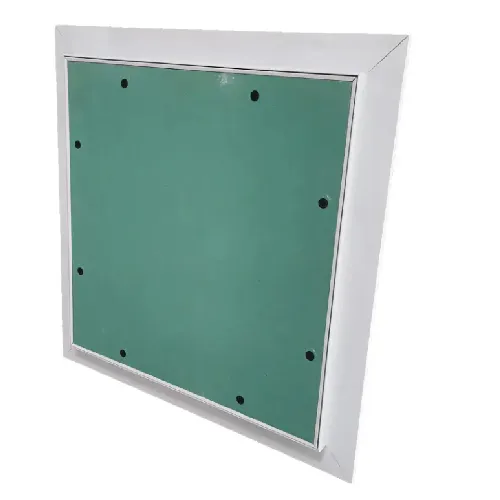
Put simply, a gypsum access panel is a ready-made opening, framed and finished with gypsum board, allowing discreet access inside walls or ceilings without damaging surrounding surfaces. Think of it as a hidden door that blends perfectly with drywall.
Its connection to modern industries is strong: especially in HVAC, electrical, and plumbing sectors, where ongoing access to infrastructure is a daily requirement. NGOs working in humanitarian infrastructure also use them to rebuild or retrofit quickly without disrupting the structural integrity.
Core Components and Key Factors to Consider
1. Durability
Gypsum access panels must withstand repeated opening and closing without fracturing or losing shape. High-quality panels use reinforced frames and moisture-resistant gypsum boards to ensure longevity.
2. Fire Resistance
Many panels are rated for fire resistance, which is crucial in protecting buildings and occupants, especially in commercial or industrial settings where fire codes are strict.
3. Aesthetic Integration
The panel's surface matches the surrounding wall or ceiling finish, allowing it to remain virtually invisible. This is a big plus for architects and designers prioritizing minimalistic and sleek interiors.
4. Ease of Installation
Time is money in construction. Panels designed for quick and secure installation reduce labor costs and speed up project timelines.
5. Size and Accessibility
Panels come in various sizes to provide access suited for different maintenance tasks — from small electrical boxes to larger plumbing systems.
6. Cost Efficiency
While gypsum access panels may involve upfront costs, they cut long-term expenses by simplifying repairs and inspections.
Real-World Applications of Gypsum Access Panels
Gypsum access panels are found everywhere — from hospitals that need regular access to complex medical gas lines, to hotels looking to blend invisible maintenance points with luxury interiors. In earthquake-prone areas like Japan, they’re essential for making quick repairs without compromising structural integrity.
A great example: after Hurricane Maria, NGOs rebuilding infrastructure in Puerto Rico used gypsum access panels in temporary shelters, allowing technicians to maintain electrical lines efficiently.
Around the world, commercial offices employ these panels to avoid headaches disrupting essential operations when heating or ventilation systems require servicing.
Gypsum Access Panel Specifications at a Glance
| Specification | Details |
|---|---|
| Material | High-quality gypsum board with metal or plastic frame |
| Fire Rating | Up to 2 hours (varies by model) |
| Sizes Available | From 150x150 mm up to 1200x600 mm plus custom options |
| Finish | Pre-finished with gypsum paper for blending or ready for paint |
| Accessories | Magnetic catches, lockable latches, and drywall stud frames |
| Installation | Recessed mount or surface mount options |
Comparing Leading Gypsum Access Panel Vendors
| Feature | Vendor A (Global Brand) | Vendor B (Mid-size Manufacturer) | Vendor C (Niche Supplier) |
|---|---|---|---|
| Product Range | Extensive: multiple sizes and fire ratings | Moderate: custom sizing available | Specialized: focus on eco-friendly materials |
| Material Quality | Top-grade gypsum, corrosion-resistant frames | Good, regionally sourced materials | Recycled gypsum and FSC-certified wood frames |
| Pricing | Premium pricing | Competitive mid-range | Variable, depending on customization |
| Lead Time | Typically 2–3 weeks | 1–2 weeks | Varies, sometimes longer due to custom work |
| Sustainability | Targets reduced waste through lean manufacturing | Locally sourced, moderate sustainability | High focus on eco-materials and biodegradability |
Advantages and Long-Term Value of Gypsum Access Panels
- Cost Savings: Easy access reduces repair times and labor, cutting unexpected expenses.
- Sustainability: Reusable and often made with environment-friendly materials, they contribute to green building certifications.
- Safety: Fire-rated options improve building safety codes compliance – peace of mind for occupants.
- Design Harmony: No unsightly hatches or access points disrupt interior aesthetics.
- Social Impact: In humanitarian construction, speedy infrastructure maintenance preserves dignity and safety.
Emerging Trends and Innovations
The gypsum access panel market isn’t standing still. New materials using recycled gypsum, advances in magnetic locking systems, and integration with smart building technologies are reshaping what panels can do. Imagine panels with sensor feedback that alert building management systems when opened, enhancing security in sensitive environments.
Green policies from governments worldwide increasingly demand sustainable construction components, pushing manufacturers to innovate eco-friendly access panels. Also, digital modeling (BIM) is improving how access panels are incorporated into building designs early on, preventing costly retrofits.
Challenges and How to Overcome Them
The biggest challenges? Panels can be mis-sized for their intended access, confusing installers. Sometimes, inferior materials cause cracking over time, leading to extra repair costs. Also, poorly installed panels may fail fire safety tests.
Experts recommend source verification, working with certified vendors, and specifying fire ratings and sizes carefully at the planning stage. Frequent training for installers and using gypsum access panel manufacturer guidelines are crucial to reducing common mishaps.
FAQ: Your Common Questions About Gypsum Access Panels
- What makes gypsum access panels better than traditional access doors?
- Gypsum access panels blend seamlessly with drywall ceilings and walls, preserving interior aesthetics. They’re lightweight, fire-resistant, and designed specifically for drywall systems, unlike bulky metal doors.
- How long can a gypsum access panel last in commercial buildings?
- With proper installation and materials, these panels can last decades, enduring repeated maintenance cycles without damage—often matching the lifespan of the surrounding walls.
- Are gypsum access panels suitable for humid environments?
- Yes, many panels come with moisture-resistant gypsum boards and corrosion-protected frames, making them ideal for bathrooms, kitchens, or industrial zones.
- Can I customize the size of my access panel?
- Definitely. Most manufacturers allow custom sizing to fit unique access needs, helping with difficult installations and specialty systems.
- How do I maintain a gypsum access panel?
- Maintenance is minimal — just ensure the locking mechanism works well and surfaces stay intact. When repainting walls, panels can be re-painted seamlessly to match decor.
Wrapping Up: Why Consider Gypsum Access Panels for Your Next Project?
In the long run, gypsum access panels save operational costs, promote safety, and maintain a building’s visual appeal. Whether you’re coordinating high-rise luxury apartments or humanitarian relief centers, they’re an investment in reliability and efficiency.
Curious to learn more or ready to find the perfect panel solution? Visit our website: gypsum access panel for detailed options tailored to your project’s needs.
-
Benefits and Guide of Mineral Fiber Ceiling Board for InteriorsNewsApr.16,2026
-
Modern Mineral Fiber Ceiling Solutions for Acoustic PerformanceNewsApr.09,2026
-
Mineral Fibre Board Ceiling vs Gypsum Board A Comprehensive Comparison GuideNewsApr.07,2026
-
Comprehensive Guide to Mineral Fiber Ceiling Specification and PerformanceNewsApr.04,2026
-
What Are Mineral Fiber Ceiling Tiles Made Of And Their ApplicationsNewsMar.31,2026
-
Exploring the Benefits of Suspended Mineral Fibre Ceiling Systems for Modern BuildingsNewsMar.28,2026