
Nov . 27, 2025 10:00 Back to list
Durable and Safe Ceiling Access Doors for Easy Building Maintenance | Xingyuan Ceilings
The Clever Simplicity of the Ceiling Access Door: What You Should Know
If you’ve ever peered up at your ceiling wondering how electricians or HVAC technicians get to the wiring, ducts, or pipes hidden behind those pristine panels, you’re basically thinking about the ceiling access door. It’s one of those unsung heroes in building design—simple, unassuming, yet crucially important. Globally, these little openings serve both functional and safety purposes in almost every type of building. From commercial complexes in New York to hospitals in Nairobi, ceiling access doors make maintenance and emergency access possible without tearing into walls or ceilings.
Understanding ceiling access doors isn’t just for contractors or architects; it’s about knowing how building infrastructure maintenance keeps everyday life running smoothly and safely. By getting familiar with their design, materials, and industry trends, you appreciate the blend of engineering and practicality behind the scenes.
Why Ceiling Access Doors Matter on a Global Scale
Buildings worldwide face continual wear and upgrades — climate control systems, electrical wiring, plumbing — all tucked behind ceilings and walls. According to the International Organization for Standardization (ISO 16813:2006), access points like ceiling access doors should facilitate maintenance, inspection, and emergency operations without compromising structural integrity or fire safety.
Globally, as urban areas expand rapidly — the UN estimates over 2.5 billion people will live in urban areas by 2050 — the demand for efficient building maintenance tools becomes critical. Ceiling access doors, therefore, address the challenge of convenient yet safe building upkeep. They help technicians reach hidden systems quickly, reduce downtime, and prevent costly, invasive repairs.
But it’s not just about convenience; proper access doors also uphold safety standards. Faulty access solutions have led to accidents or compromised fire barriers in some buildings. So architects and facility managers worldwide have started prioritizing ceiling access doors as essential components of sustainable buildings.
Mini takeaway:
Ceiling access doors are essential worldwide for building maintenance, safety, and sustainability. They meet the growing demand for non-invasive infrastructure access in expanding urban centers.
What Exactly Is a Ceiling Access Door?
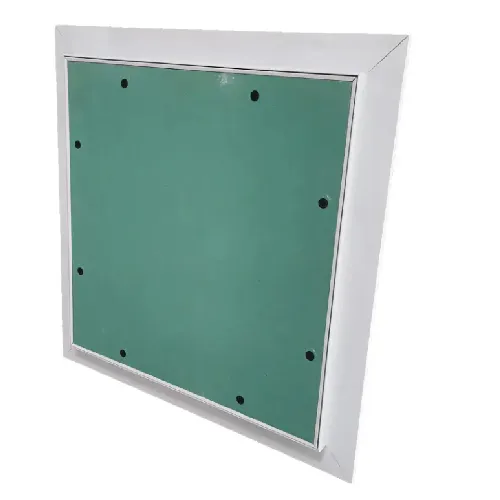
At its core, a ceiling access door is a panel or door installed flush within a ceiling or wall to provide entry into concealed areas like ductwork, electrical conduits, or plumbing tunnels. You could think of it as the “small hatch” allowing specialists to inspect and repair without causing damage around it.
Unlike typical doors, ceiling access doors are often lightweight but durable, fitted for discreetness while meeting fire resistance, soundproofing, and insulation requirements. Because they serve a very pragmatic purpose, their design often balances ease of use and security. Many have lockable features too — not everything behind the ceiling should be an open invitation.
In modern construction and humanitarian projects — like temporary hospitals or disaster relief shelters — ceiling access doors become equally indispensable. Quick accessibility can mean the difference between fixing a system swiftly or facing operational breakdown.
Mini takeaway:
Simply put, a ceiling access door is a functional panel that provides safe, secure entry to hidden infrastructure behind ceilings.
Core Components That Make a Good Ceiling Access Door
1. Durability
Many engineers cite durability as a must-have. These doors need to endure conditions such as humidity (think basement ceilings), temperature swings, and sometimes chemical exposure. Steel and aluminum frames with powder-coated finishes are popular because they resist corrosion and wear over time.
2. Fire Resistance
Because they interrupt the integrity of building partitions, ceiling access doors must comply with fire rating standards where applicable. Some come with fire-rated cores certified by ASTM or UL standards to prevent flame or smoke spread during emergencies.
3. Ease of Installation and Operation
Contractors often say the quicker the install, the better for budgets and timelines. Lightweight panels, magnetic closures, or simple locking mechanisms make them user-friendly for routine maintenance.
4. Aesthetic Integration
Since access doors appear in visible ceilings, they should blend in seamlessly, whether painted or designed to be flush with tiles or drywall. Nobody likes an eyesore in a showroom or office lobby.
5. Size and Scalability
Sizes range broadly depending on access needs—from small panels for wiring access to large panels for full-sized equipment entry. Modular designs often help contractors adapt to diverse projects.
Mini takeaway:
Durability, fire safety, ease of use, aesthetics, and sizing are the main factors that define high-quality ceiling access doors.
Where Are Ceiling Access Doors Used Globally?
From sprawling shopping malls in Dubai to underground subway stations in Tokyo, ceiling access doors have a surprisingly vast set of applications:
- Healthcare facilities: Access to pipes and cables without disturbing sterile environments.
- Data centers: Security and quick troubleshooting of wiring pathways.
- Educational campuses: Safe maintenance of HVAC and sprinkler systems.
- Industrial plants: Regular inspections in hazardous zones.
- Disaster relief housing: Temporary clean access to utilities for quick repairs.
For instance, after the 2015 Nepal earthquake, aid organizations installed modular shelters with built-in ceiling access doors to let engineers maintain vital electrical wiring amidst a fragile infrastructure.
Mini takeaway:
The use of ceiling access doors spans industries and continents—from tech hubs to emergency shelters—highlighting their universal value.
How Do Ceiling Access Doors Benefit You in the Long Run?
On the practical side, they save money. Less damage, faster repairs, and longer-lasting building systems mean lower maintenance budgets. Safety-wise, they help keep fire and smoke in check when certified correctly. Environmentally, avoiding destructive tear-outs reduces waste—important as green building certifications like LEED push for sustainable solutions.
Emotionally, there’s comfort in knowing buildings are designed thoughtfully with maintenance in mind. A facility manager once told me, “A reliable access door is like an insurance policy—silent but invaluable when you need it.” Such trust is priceless.
Mini takeaway:
Ceiling access doors deliver cost savings, safety assurance, environmental benefits, and peace of mind.
Product Specifications: An Example of a Popular Ceiling Access Door Model
| Specification | Model X100 |
|---|---|
| Material | Aluminum Frame with Gypsum Board Panel |
| Fire Rating | 60 minutes (UL 263 certified) |
| Finish | Powder-Coated White |
| Sizes Available | 12x12 in to 24x36 in (custom sizes on request) |
| Locking Mechanism | Magnetic closure with optional keyed lock |
| Weight | Approx. 5-8 lbs depending on size |
Comparing Top Vendors of Ceiling Access Doors
| Vendor | Product Range | Fire Rating | Customization | Price Range |
|---|---|---|---|---|
| AccessPro Systems | Standard & Fire-Rated Models | Up to 90 minutes | Sizes, finishes, locks | $$$ |
| DoorEase Solutions | Architectural, Concealed Hinges | 60 minutes | Custom wood or metal finishes | $$ |
| BuildSmart Access | Modular & Industrial Models | 45 minutes | Quick-install kits | $ |
Emerging Trends for Ceiling Access Doors
Innovation hasn’t skipped this market. These days, ceiling access doors are getting smarter. Some new designs include electronic sensors that alert maintenance if the door hasn’t been closed properly — a big plus in security-sensitive environments like data centers.
Materials are also evolving. Bio-based composites and recyclable aluminum alloys aim to reduce environmental footprints. Plus, modular, snap-in designs make replacements easier and less wasteful. Oddly enough, these small humble panels are quietly embracing green technology.
Mini takeaway:
Smart monitoring and eco-friendly materials are making ceiling access doors more efficient and sustainable than ever.
Common Challenges and How to Overcome Them
Of course, not all ceiling access doors are created equal. Some issues include:
- Poor sealing resulting in drafts or noise leakage.
- Difficulty fitting irregular ceiling designs.
- Compromised fire ratings if poorly installed.
Experts recommend choosing calibrated vendors and certified doors to match building codes. Modular or custom solutions often solve the fitting issue. Also, better training for installers goes a long way to keep fire safety intact.
Frequently Asked Questions About Ceiling Access Doors
Q1: How do I select the right size ceiling access door for my project?
A: Consider what equipment or systems need to be accessed. Wiring may require a small panel, while full duct access may need larger doors. Always check manufacturer sizing charts and consult with your maintenance team for practical needs.
Q2: Are ceiling access doors compliant with fire safety regulations?
A: Many models are fire-rated and tested against UL or ASTM standards, but it’s crucial to verify certification on your chosen product and ensure proper installation to maintain the building’s fire rating.
Q3: Can ceiling access doors be locked for security?
A: Yes, several designs feature keyed locks or electronic access controls to restrict entry, especially in sensitive environments such as data centers or hospitals.
Q4: How does a ceiling access door impact building energy efficiency?
A: Properly sealed access doors maintain thermal barriers and soundproofing. Poor installations can cause energy leaks, but modern gasketed designs help maintain insulation and reduce energy costs.
Q5: Where can I find customizable ceiling access doors?
A: Vendors such as AccessPro Systems and DoorEase Solutions offer tailored sizes, finishes, and locking options to suit unique architectural needs.
Final Thoughts: Why Investing in the Right Ceiling Access Door Pays Off
So next time you glance at a perfectly smooth ceiling, remember the practical marvel hidden within: ceiling access door. It’s a small detail, yes, but one that keeps buildings running safe, secure, and sustainable. Over time, investing in quality access doors cuts costs, improves safety, and even contributes to environmental goals. Whether you’re a builder, facility manager, or curious homeowner, knowing the ins and outs of these hidden panels can make a world of difference.
Visit our website to explore a wide range of quality ceiling access doors suitable for any project and learn how smart access solutions can elevate your building’s maintenance and safety: https://www.xingyuanceilings.com.
References:
-
Benefits and Guide of Mineral Fiber Ceiling Board for InteriorsNewsApr.16,2026
-
Modern Mineral Fiber Ceiling Solutions for Acoustic PerformanceNewsApr.09,2026
-
Mineral Fibre Board Ceiling vs Gypsum Board A Comprehensive Comparison GuideNewsApr.07,2026
-
Comprehensive Guide to Mineral Fiber Ceiling Specification and PerformanceNewsApr.04,2026
-
What Are Mineral Fiber Ceiling Tiles Made Of And Their ApplicationsNewsMar.31,2026
-
Exploring the Benefits of Suspended Mineral Fibre Ceiling Systems for Modern BuildingsNewsMar.28,2026