
Nov . 21, 2025 17:30 Back to list
Expert Guide to Ceiling Trap Door Suppliers – Quality, Compliance, and Innovation
Why Ceiling Trap Door Suppliers Matter: An Overview
Ceiling trap doors might seem like a niche topic, but they play an unexpectedly crucial role in multiple industries worldwide—from construction and maintenance to secure storage and disaster response. Understanding the evolving landscape of ceiling trap door suppliers allows architects, contractors, and facility managers to ensure safety, optimize space, and meet emerging regulations. They might not make headlines, but these products quietly keep countless buildings operational, secure, and accessible.
Globally, the demand for reliable ceiling access points is growing as urban buildings get taller and mechanical systems require ever-easier maintenance routes. But beyond just convenience, ceiling trap doors support emergency escape plans, secure sensitive equipment, and aid in various utility operations. So, while you might not see them often, understanding their suppliers, varieties, and innovations helps you make smarter infrastructure decisions.
Ceiling Trap Door Suppliers in the Global Context
Let’s put this into a bigger perspective. According to the United Nations, by 2050, 68% of the world’s population is expected to live in urban areas (1), pushing the need for reliable, secure, and efficient building components like ceiling trap doors. Increased construction activity worldwide, especially in Asia-Pacific and Europe, drives demand for specialized access solutions.
Yet, a common challenge remains: how to find suppliers that balance durability, cost-effectiveness, and regulatory compliance? Many industries face delays because substandard trap doors fail prematurely or don’t meet fire safety standards. This is where quality ceiling trap door suppliers emerge as critical partners—providing reliable products and customization options tailored to a building’s unique demands.
What Exactly Are Ceiling Trap Door Suppliers?
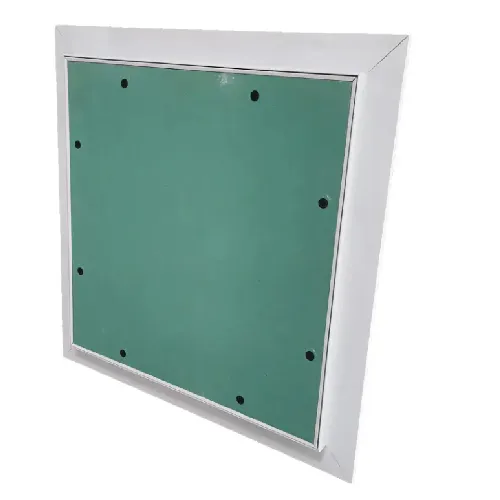
In plain terms, ceiling trap door suppliers are companies or manufacturers specializing in the design, production, and distribution of ceiling-based access panels or doors. These “trap doors” provide entry points to attics, HVAC systems, electrical conduits, or storage spaces concealed above ceilings. The supplier’s role extends beyond just selling doors; they often assist in advising the right specifications for safety, load capacity, and ease of access.
Interestingly, their products serve a spectrum of industries, from commercial construction and industrial plants to emergency services and even humanitarian relief construction where rapid installation and durability are key.
4 Core Attributes Every Ceiling Trap Door Supplier Should Offer
1. Durability & Material Quality
Trap doors endure constant foot traffic and must resist wear from tools and environmental factors. Suppliers who use corrosion-resistant metals (like galvanized steel or aluminum) or reinforced composites tend to offer longer-lasting products. Material certification is an important marker of quality here.
2. Compliance with Safety Codes
From fire resistance to load-bearing requirements, ceiling trap doors must meet regional and international standards (ISO 3008, ASTM E119, for example). Suppliers familiar with these regulations can help ensure the right certification tags are included—critical for both public buildings and industrial plants.
3. Customization & Scalability
No two buildings are quite the same. Top suppliers provide custom sizes, finishes, locking mechanisms, and insulation options. This capability means clients can tailor doors to aesthetics, functional needs, or security concerns without sourcing from multiple vendors.
4. Installation Support & Accessibility
The best suppliers don’t just ship products—they offer installation guides, technical support, and sometimes in-field advice. This reduces costly errors and downtime. Additionally, some offer mechanized or remote access solutions to optimize ease-of-use.
Mini takeaway: Not all suppliers are created equal—knowing these core qualities helps to sort the wheat from the chaff in a crowded marketplace.
Global Usage and Real-World Examples
Ceiling trap doors pop up in places you wouldn’t instantly expect. In Japan, for instance, where urban space maximization is critical, ceiling access panels are standard for managing complex HVAC systems in skyscrapers. Meanwhile, in post-disaster scenarios—such as after the 2010 Haiti earthquake—rapid deployment shelters often incorporate ceiling access points for maintenance and ventilation, provided by specialized suppliers.
Industrial plants in the Middle East, dealing with extreme temperatures, prefer insulated trap doors sourced from suppliers that can guarantee thermal efficiency. Governments in Europe also enforce strict fire safety regulations that push procurement towards certified suppliers only, with full documentation and warranty.
Product Specification Table
| Specification | Description | Typical Range |
|---|---|---|
| Material | Galvanized steel, aluminum, composite materials | Steel 1.5-3mm, Aluminum 2-4mm |
| Fire Rating | Compliance with ISO 834 / ASTM E119 | 30-120 minutes |
| Load Capacity | Load-bearing for maintenance traffic | Up to 250 kg (550 lbs) |
| Sizes | Standard, custom cutouts | 300x300mm up to 1200x1200mm |
| Access Mechanism | Manual lift, cam-locks, remote operated options | Varies by project needs |
Comparing Top Ceiling Trap Door Suppliers
Irrespective of the industry, decision-makers often compare suppliers based on quality, lead times, price, and after-sales support. Here’s a quick comparison:
| Supplier | Product Range | Customization | Pricing | Global Reach |
|---|---|---|---|---|
| Alpha Access Systems | Extensive (industrial/commercial) | High | Mid-Range | Asia, Europe |
| CeilingPro Solutions | Medium (standard sizes) | Limited | Cost-Effective | North America |
| Xingyuan Ceilings (our top pick) | Comprehensive (modular/green-certified) | Excellent | Competitive | Global |
The Advantages of Partnering With Quality Ceiling Trap Door Suppliers
While cost is always a factor, there’s more to good ceiling trap door suppliers than price tags. Reliable access panels ensure long-term operational savings by reducing maintenance downtime and preventing costly repairs.
From a safety perspective, they facilitate compliance with fire codes and emergency evacuation standards—two aspects that can’t be compromised in public buildings. Not to mention, many clients appreciate the peace of mind that comes with durable, tamper-proof products that protect sensitive equipment or restrict unauthorized areas.
On a more intangible level, when you choose an innovative supplier, you signal trustworthiness and forward-thinking. After all, your building’s infrastructure is a reflection of your priorities.
Emerging Trends and Innovations
What’s shaping the future of ceiling trap door suppliers? Frankly, quite a few exciting developments:
- Eco-friendly materials: Suppliers are shifting toward recycled metals and composites that reduce environmental footprint without compromising strength.
- Smart access technology: Automated trap doors with digital locks or remote operation are becoming the norm in high-security and industrial zones.
- Integration with Building Information Modeling (BIM): This allows architects and engineers to plan access points more precisely, optimizing maintenance workflows.
- Fire safety improvements: Enhanced coatings and design tweaks improve fire ratings while keeping installation simple.
These innovations not only increase product life cycle but also support global sustainability goals, aligning with ISO 14001 environmental standards (2).
Challenges & Smart Solutions
Despite progress, challenges persist. For example, international suppliers sometimes struggle with logistics and compliance on regional codes, which can delay projects. Then there’s the issue of cost vs. quality balance—cheap alternatives rarely deliver long-term value.
One emerging solution is digital consultation platforms, where buyers can interact with supplier experts virtually to specify needs exactly. Plus, companies like ceiling trap door suppliers are investing in modular, easy-to-install models that speed up construction while ensuring code adherence.
FAQs About Ceiling Trap Door Suppliers
1. How do I choose the right ceiling trap door for my building?
Focus on load capacity, fire rating, material durability, and compliance with local building codes. Work closely with trusted suppliers who offer technical support and customization services to match your exact needs.
2. Can ceiling trap doors be customized for security needs?
Absolutely. Many suppliers provide locking mechanisms ranging from standard cam-locks to advanced electronic or biometric systems. Custom sizes and finishes can also aid in blending with the building’s design.
3. What is the typical lead time for ordering ceiling trap doors?
It varies widely. Standard-sized doors may ship within 1-3 weeks, while customized or certified fire-rated doors can take 4-8 weeks depending on manufacturing and logistics.
4. Are ceiling trap doors energy efficient?
Many modern designs incorporate insulated panels and tight seals to prevent heat loss and enhance energy efficiency, balancing access needs with environmental considerations.
5. Can suppliers assist with installation?
Top-tier suppliers often provide detailed installation guides, and some offer on-site technical assistance or partner with local contractors. This reduces risk of installation errors and speeds project completion.
Wrapping Up: Why the Right Supplier Matters
Choosing a ceiling trap door supplier isn’t just about a piece of hardware. It’s about securing your building’s safety, compliance, and long-term durability. Thoughtful procurement impacts everything from energy efficiency to emergency readiness. For a reliable partner who understands these nuances, visit ceiling trap door suppliers and explore their extensive product lines and expert consultation.
In the end, the right access panel makes all the difference—small opening, big impact.
References:
- United Nations, World Urbanization Prospects, 2018 Revision
- ISO 14001: Environmental Management Systems
- ASTM E119 - Standard Test Methods for Fire Tests of Building Construction
-
Benefits and Guide of Mineral Fiber Ceiling Board for InteriorsNewsApr.16,2026
-
Modern Mineral Fiber Ceiling Solutions for Acoustic PerformanceNewsApr.09,2026
-
Mineral Fibre Board Ceiling vs Gypsum Board A Comprehensive Comparison GuideNewsApr.07,2026
-
Comprehensive Guide to Mineral Fiber Ceiling Specification and PerformanceNewsApr.04,2026
-
What Are Mineral Fiber Ceiling Tiles Made Of And Their ApplicationsNewsMar.31,2026
-
Exploring the Benefits of Suspended Mineral Fibre Ceiling Systems for Modern BuildingsNewsMar.28,2026