
Nov . 28, 2025 14:50 Back to list
Fire Rated Ceiling Access Hatch – Essential Fire Safety Solutions for Modern Buildings
Fire Rated Ceiling Access Hatch: Why It Matters in Today's Safety Standards
At first glance, a fire rated ceiling access hatch might sound like just another building component — a door in the ceiling, really. But dig a little deeper, and you realize it’s a bit like the unsung hero of fire safety engineering. Globally, fire safety is a huge concern and often a matter of life and death, especially in commercial buildings, hospitals, and high-rise complexes. Knowing the ins and outs of fire rated ceiling access hatches means architects, engineers, and facility managers can better protect occupants, comply with stringent fire codes, and avoid catastrophic damage.
Understanding these hatches isn’t just about ticking off regulations; it’s about safeguarding environments where people live, work, and heal. So why is this small hardware piece so crucial? Let’s dive in.
The Global Context: Fire Safety and Ceiling Access Hatches
Fire incidents still cause thousands of fatalities and uncountable property losses worldwide each year. According to the United Nations and global fire safety data compiled by organizations like ISO and NFPA (National Fire Protection Association), nearly 80% of commercial building fire deaths could be prevented with proper fire-resistance measures. This is where fire rated ceiling access hatches come in — protecting critical spaces such as electrical rooms, ductwork voids, and ventilation shafts.
Oddly enough, access hatches tend to be a vulnerability if they aren't up to code. They can become weak links for fire or smoke to spread if left unprotected. Given the construction boom in fast-growing urban centers and the increasing complexity of HVAC and electrical systems, integrators worldwide are focusing on these safety devices more than ever.
What Exactly is a Fire Rated Ceiling Access Hatch?
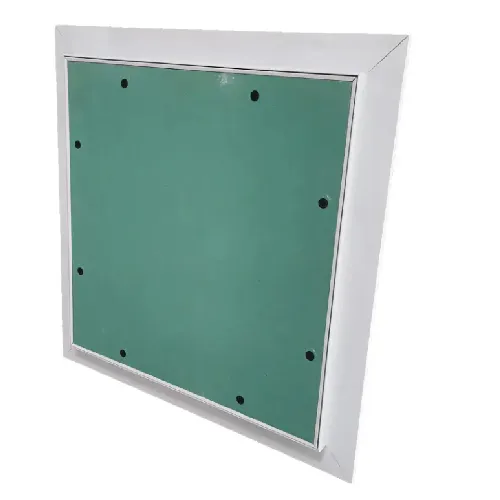
In the simplest terms, a fire rated ceiling access hatch is a specially designed panel or door installed in ceilings that allows maintenance access to hidden infrastructure, such as cables, pipes, or air ducts, while resisting fire and smoke penetration for a specified duration. Usually constructed with fire-resistant materials like gypsum board, steel, or mineral wool, these hatches help maintain the ceiling’s overall fire integrity.
The rating, often classified in minutes or hours (e.g., 60 minutes fire resistance), refers to the amount of time the hatch can withstand fire before failing. It’s like a time buffer – critical for evacuation, firefighting, or shutting down electrical systems safely. In modern construction, especially hospitals, data centers, and transit hubs, these hatches aren’t just convenient—they're essential life-saving installations.
Mini takeaway:
Understanding what a fire rated ceiling access hatch does ties directly into a bigger picture of building safety and functional accessibility.
Core Features That Make Fire Rated Ceiling Access Hatches Work
Durability & Materials
Fire rated ceiling access hatches are often constructed from galvanized steel or aluminum frames combined with fire-resistant cores (like calcium silicate or vermiculite boards). These materials maintain integrity under heat but don’t add excessive weight, making installation easier.
Fire Resistance & Sealing
The critical factor is the fire-resistance rating. The hatch must resist flames and heat for a defined time, usually aligned with local building codes. Intumescent seals or gaskets expand during fire exposure to seal gaps, blocking fire and smoke movement.
Accessibility & Design
Practical designs incorporate easy opening mechanisms: flush-mounted panels, safety hinges, and lockable handles. This ensures maintenance personnel can access vital systems without compromising fire safety or aesthetics.
Compliance & Testing
These products undergo rigorous testing following standards like ISO 834 or UL 555, guaranteeing performance under specified conditions. Proper certification makes all the difference in regulatory approval.
Customization Options
Fire rated ceiling access hatches come in various sizes, finishes, and configurations. This flexibility allows integration into diverse ceiling types from drywall to suspended grids.
Mini takeaway:
These factors ensure the hatch doesn’t become a weak point but rather a strategic safety barrier.
Global Applications and Real-World Use Cases
In North America and Europe, fire rated ceiling access hatches are standard in hospitals, schools, and government buildings, where safety codes are strictest. Asian megacities implementing smart infrastructure use these hatches extensively for maintenance access to integrated fire systems and clean energy ducts.
In the Middle East, where rapid urban growth generates high-rise towers, these hatches help isolate fire zones vertically — crucial during emergency evacuations. Meanwhile, in post-disaster relief scenarios like wildfire zones in Australia, using modular fire rated ceiling access hatches in temporary shelters allows safer, secure repairs.
Industries ranging from manufacturing plants to data centers rely on these hatches for maintaining critical infrastructure without compromising fire compartmentalization.
Example Table: Typical Specifications of a Fire Rated Ceiling Access Hatch
| Specification | Details |
|---|---|
| Material | Galvanized steel frame with fire-rated gypsum core |
| Fire Rating | 60 minutes (1 hour) fire resistance |
| Size Options | Standard: 450x450mm; Custom sizes available |
| Sealing System | Intumescent and smoke seals |
| Opening Mechanism | Safety hinges, lockable handle |
| Certification | UL 555, ISO 834 compliant |
Advantages and Long-Term Benefits
- Safety First: Guarantees containment of fire spread via ceilings, buying crucial time during emergencies.
- Cost Efficiency: Minimizes potential damage and costly downtime from uncontrolled fires.
- Maintenance Friendly: Easy access without dismantling ceilings reduces labor and disruption.
- Compliance Confidence: Meets or exceeds building code mandates, reducing legal risks.
- Environmental Impact: Use of recyclable materials aligns with sustainability goals.
- Emotional Reassurance: Knowing a building is equipped with passive fire controls fosters occupant trust.
Comparing the Leading Vendors
| Vendor | Fire Rating | Material Type | Customization | Price Range (USD) |
|---|---|---|---|---|
| SafeCeilings Inc. | Up to 120 mins | Steel + Mineral Core | Fully customizable sizes & finishes | $180-$350 |
| FireGuard Solutions | 60 mins standard | Aluminum + Gypsum Board | Standard sizes, some color options | $120-$250 |
| Xingyuan Ceilings | Up to 90 mins | Steel with eco-friendly cores | Custom sizes & integrated lock options | $150-$300 |
Looking Ahead: Trends and Innovations
Industry insiders report a steady shift towards greener materials in fire-rated access hatches — think bio-based mineral cores and recycled metals. Digital integration is also gaining momentum; imagine smart ceiling hatches equipped with sensors that alert maintenance teams if tampered with or exposed to heat.
Automation and robotics could someday allow these hatches to seal themselves or communicate fire status during emergencies, an obvious plus for smart buildings aiming for zero manual intervention in crises. The push for tighter energy codes means better insulation and airtight seals on these hatches — they are evolving beyond simple doors.
Common Questions About Fire Rated Ceiling Access Hatches
- Q: How do I know if a fire rated ceiling access hatch meets my building’s requirements?
- A: Always check for certification labels such as UL 555 or ISO 834 compliance. Your local building authority can provide specific fire rating requirements based on building type and occupancy.
- Q: Can I install a fire rated access hatch in an existing ceiling without major renovation?
- A: Many designs are retrofit-friendly, especially those with slim profiles and adjustable frames. However, proper sealing and structural support are critical to maintain fire integrity, so professional installation is advised.
- Q: What is the typical lifespan of a fire rated ceiling access hatch?
- A: With proper maintenance, these hatches can last 20+ years. Regular inspections for seal integrity and function are necessary to ensure ongoing performance.
- Q: Are there eco-friendly options available?
- A: Yes, some manufacturers offer hatches with sustainable materials and recyclable components, aligning with increasing green construction goals.
Wrapping Up: Why the Right Fire Rated Ceiling Access Hatch Makes a Difference
It's clear that picking the right fire rated ceiling access hatch isn’t a decision to ake lightly. It’s about preservation — of property, people, and peace of mind. A dependable hatch lets maintenance work happen smoothly without compromising fire barriers, saving costs and, frankly, lives.
If you're exploring solutions, do check out some quality options including the fire rated ceiling access hatch range from reputable vendors. As fire codes tighten and building complexity grows, it feels like these little doors will only get bigger in importance.
Ready to upgrade your fire safety? Visit the website above or consult your local fire safety expert today.
References
-
Benefits and Guide of Mineral Fiber Ceiling Board for InteriorsNewsApr.16,2026
-
Modern Mineral Fiber Ceiling Solutions for Acoustic PerformanceNewsApr.09,2026
-
Mineral Fibre Board Ceiling vs Gypsum Board A Comprehensive Comparison GuideNewsApr.07,2026
-
Comprehensive Guide to Mineral Fiber Ceiling Specification and PerformanceNewsApr.04,2026
-
What Are Mineral Fiber Ceiling Tiles Made Of And Their ApplicationsNewsMar.31,2026
-
Exploring the Benefits of Suspended Mineral Fibre Ceiling Systems for Modern BuildingsNewsMar.28,2026