
Nov . 30, 2025 03:45 Back to list
Hidden Ceiling Access Panel – Durable, Discreet, and Smart Building Solutions
Unveiling the Hidden Ceiling Access Panel: Why It Matters Worldwide
Hidden ceiling access panels might sound like an esoteric topic, but in reality, they’re a quietly essential piece of modern building design and infrastructure management. Globally, as buildings get smarter and infrastructure becomes more complex, having neat, reliable ways to access hidden utilities without compromising aesthetics or security is increasingly important. These panels don’t just hide unsightly junctions; they enable maintenance teams, architects, and engineers to work smarter, safer, and more efficiently — whether it’s in a sprawling metro station or a remote humanitarian shelter.
Understanding hidden ceiling access panels means unlocking a better grasp of how modern spaces maintain safety, adapt over time, and integrate diverse systems seamlessly. We’ll see how this seemingly simple building component impacts industries from construction to disaster relief and the green energy revolution.
Global Context: The Rising Demand for Concealed Building Access
Let’s put things in perspective. The United Nations estimates that urban populations will swell to 68% of the world’s total by 2050. With that growth, the complexity of infrastructure – HVAC, electrical, plumbing – skyrockets. These systems need regular inspection, repairs, and upgrades. Hidden ceiling access panels offer a functional and aesthetic solution by providing efficient entry points without disrupting the design flow.
ISO standards for building safety and accessibility increasingly call for such design elements, underscoring their global relevance. But here’s the kicker: many existing buildings struggle with clunky or poorly sealed access points that degrade insulation or security. So the question arises — how do architects and facility managers balance access with safety and style? The hidden ceiling access panel answers that quite elegantly.
What Exactly Is a Hidden Ceiling Access Panel?
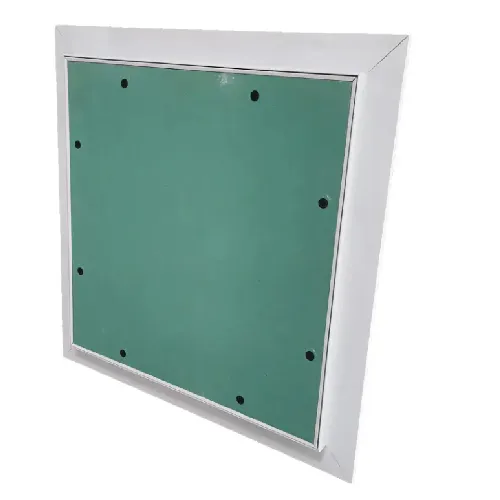
Simply put, a hidden ceiling access panel is a specially designed cover integrated perfectly with the ceiling surface, allowing unobtrusive access to plumbing, wiring, ducts, or equipment above. Unlike traditional hinged doors or obvious trapdoors, these panels blend into the surrounding finish — which means they’re practically invisible unless you know where to look.
This kind of design touches modern needs in building management and even humanitarian infrastructure — where functionality must coexist with dignity and safety, like in community centers or emergency medical camps. The panel acts like a gateway: facilitating maintenance and upgrades, while maintaining an environment that’s both secure and visually uncluttered.
Key Features That Make Hidden Ceiling Access Panels Stand Out
Durability & Material Quality
Most panels are crafted from galvanized steel, aluminum, or fire-resistant composites. This ensures they hold up against environmental stresses — be it moisture in tropical zones or heat in industrial plants. Durability means fewer replacements, which is key for long-term investment.
Seamless Integration & Aesthetics
Designers and builders appreciate how these panels mimic ceiling textures perfectly, sometimes with magnetized or snap-on frames that require no visible screws. This seamless integration isn’t just for looks: in galleries or conference halls, it maintains the integrity of lighting and acoustics.
Security & Accessibility Balance
Access control is crucial. Many panels feature lockable mechanisms or compatibility with smart building systems to restrict access to authorized personnel only — perfect for data centers or secure government facilities.
Fire & Safety Compliance
Given that ceiling voids can be fire paths, many panels meet strict fire rating standards (ASTM E-119 or EN 1364, for example), helping preserve compartmentalization in emergencies.
Customization & Size Variability
Depending on application, panels come in modular sizes, with optional finishes and opening mechanisms — from simple hinged panels to lift-off types for heavy equipment access.
Cost Efficiency
While some premium panels cost more upfront, they reduce long-term maintenance hassle and potential damage caused by makeshift access solutions. Often, the return on investment is noticeable within years, especially in commercial or public buildings.
Mini takeaway: Hidden ceiling access panels are a fusion of form and function — engineered for durability, discretion, and secure ease of maintenance. They’re not just covers; they’re smart enablers.
Specifications at a Glance: An Example Panel Model
| Specification | Detail |
|---|---|
| Material | Galvanized Steel with Powder Coating |
| Fire Rating | 1 Hour (ASTM E-119) |
| Dimensions | 300x300 mm standard (custom sizes available) |
| Opening Mechanism | Magnetized Snap-on with Locking Option |
| Finish | Matte White or Custom Paint to Match Ceiling |
| Weight | Approx. 1.2 kg |
Who’s Using Them? Global Applications & Real-World Examples
Oddly enough, hidden ceiling access panels pop up everywhere — from the quietly smart to the shockingly critical.
- Urban Healthcare Facilities: Hospitals in Europe rely heavily on these panels for instant access to life-support system cabling without disturbing sterile environments.
- Post-Disaster Emergency Shelters: In tropical cyclone aftermaths, modular hidden ceiling access panel installations enable rapid repair and upgrades of HVAC components inside temporary housing units.
- Industrial Plants: Factories in Southeast Asia integrate panels that combine fire-resistance with smart lock access, guaranteeing safety audits and frequent inspections don’t become operational nightmares.
- Commercial Office Buildings: New York skyscrapers boast minimalistic aesthetics while enabling maintenance teams to service HVAC and electrical runs effortlessly with these panels.
Mini takeaway: These panels may be "hidden," but their global footprint and influence across sectors like healthcare, industry, and disaster relief is unmistakable.
The Real Advantages: Why Invest in Quality Hidden Ceiling Access Panels?
Think beyond the obvious. You get more than just a neat cover — these panels reduce costs from damage mitigation, upgrade downtime, and staff hours.
- Cost Savings: Less repeated ceiling damage and quicker access translate to fewer repairs and lower labor costs.
- Sustainability: Materials are often recyclable; better sealing improves energy efficiency by preserving insulation integrity.
- Safety & Security: Fire ratings and restricted access help lower risks, protecting both people and assets.
- Psychological Comfort: Residents and workers appreciate clean, unblemished environments — it just feels right.
- Trust & Innovation: Using advanced panels signals a commitment to quality, professionalism, and forward-thinking design.
Emerging Trends Shaping Hidden Ceiling Access Panels
The future looks pretty bright (or rather, inconspicuous). Developers are experimenting with:
- Smart Panels: Embedded sensors to monitor humidity, temperature, or unauthorized entry alarms.
- Eco-Friendly Materials: Biodegradable composites and recycled metals to answer sustainability calls.
- Automated Opening Systems: Remote-controlled panels that maintenance personnel can open without ladders, improving field safety.
- Integrated Lighting & Acoustic Design: Panels doubling as sound diffusers or indirect lighting sources.
These innovations not only improve functionality but align with global climate change commitments and the smart building revolution.
Challenges and Clever Solutions
Like anything, hidden ceiling access panels aren’t without hurdles. Sometimes:
- Seal Integrity: Over time, panels can loosen, risking dust infiltration or loss of fire-resistance.
- Standardization: Lack of uniform panel sizes complicates retrofit projects.
- Cost Sensitivity: Budget constraints in public projects may limit adoption of premium options.
Experts recommend routine audits, modular panel kits, and flexible procurement strategies to address these. Nowadays, some vendors offer customizable sizes and materials without big price jumps, making upgrades more feasible.
FAQ: Quick Answers About Hidden Ceiling Access Panels
- Q: How easy is it to install hidden ceiling access panels on existing ceilings?
A: Many panels are designed for retrofit use, fitting into standard ceiling grids or drywall cutouts. Installation typically requires minimal disruption and can be done by experienced contractors in a few hours. - Q: Are hidden ceiling access panels compatible with fire safety regulations?
A: Yes, many models meet strict fire-rating standards such as ASTM E-119 or EN 1364, making them compliant with most international building codes. - Q: Can these panels be painted or finished to blend with any ceiling?
A: Absolutely. Most panels come with paintable surfaces or customizable finishes to ensure seamless integration with any décor. - Q: Do hidden ceiling access panels help in improving energy efficiency?
A: When properly sealed, these panels prevent air leaks and thermal loss, thus aiding in maintaining HVAC efficiency and reducing energy costs. - Q: Are there smart options available for maintenance alerts?
A: Yes, some high-end panels come with sensor options that detect tampering, humidity changes, or temperature shifts, alerting facility managers in real-time.
Conclusion: More Than Just a Panel in the Ceiling
The humble hidden ceiling access panel packs a punch of functionality, safety, and style that echoes across industries and continents. As urbanization accelerates and buildings demand smarter, cleaner access points, these panels prove their long-term value by balancing practicality with innovation.
Whether you’re outfitting a commercial skyscraper, a healthcare facility, or a humanitarian shelter, choosing quality hidden ceiling access panels can save money, upgrade maintenance efficiency, and keep environments safer and neater.
To explore a wide range of options tailored to your project’s demands, visit hidden ceiling access panel specialists who can help bring both function and elegance into your spaces.
Vendor Comparison: Leading Hidden Ceiling Access Panel Providers
| Vendor | Material Quality | Custom Sizes | Fire Rating | Smart Features | Average Price (per unit) |
|---|---|---|---|---|---|
| Xingyuan Ceilings | High-grade galvanized steel | Yes | 1 Hour (ASTM E-119) | Optional sensors & locks | $45 - $70 |
| Global Access Panels | Aluminum alloy | Limited | 30 min (EN 1364) | No | $30 - $50 |
| Secure Panels Inc. | Composite fire-resistant boards | Yes | 2 Hour (ASTM E-119) | Integrated alarm systems | $60 - $90 |
Final Thoughts
Choosing the right hidden ceiling access panel is about more than size or price. It’s about the long view — future-proofing building management and elevating the standards for safety and elegance. The technology is quietly evolving, just like the demand for smarter, cleaner infrastructure everywhere.
And that’s precisely why, in an age of visible tech and flashy facades, the hidden ceiling access panel deserves a moment of spotlight.
References:
1. United Nations, World Urbanization Prospects: https://population.un.org/wup/
2. ISO Building Safety Standards: https://www.iso.org/ics/91.020.html
3. ASTM International Fire Protection Standards: https://www.astm.org/standards/e119.htm
-
Benefits and Guide of Mineral Fiber Ceiling Board for InteriorsNewsApr.16,2026
-
Modern Mineral Fiber Ceiling Solutions for Acoustic PerformanceNewsApr.09,2026
-
Mineral Fibre Board Ceiling vs Gypsum Board A Comprehensive Comparison GuideNewsApr.07,2026
-
Comprehensive Guide to Mineral Fiber Ceiling Specification and PerformanceNewsApr.04,2026
-
What Are Mineral Fiber Ceiling Tiles Made Of And Their ApplicationsNewsMar.31,2026
-
Exploring the Benefits of Suspended Mineral Fibre Ceiling Systems for Modern BuildingsNewsMar.28,2026