
Nov . 30, 2025 05:20 Back to list
Plasterboard Ceiling Access Panel – Durable, Fire-Rated, Cost-Effective Solutions for Modern Buildings
Understanding the Plasterboard Ceiling Access Panel: An Essential Element in Modern Construction
At first glance, a plasterboard ceiling access panel might seem like a small detail tucked away in construction plans. But if you stop and think about it, these panels are surprisingly important in everything from everyday home maintenance to large-scale industrial applications and humanitarian relief projects worldwide. They provide hidden gateways — access points that keep essential services within walls and ceilings both reachable and tidy. And with increasing global attention on smart construction, sustainability, and safety, mastering how these panels work offers benefits that ripple beyond just boards and screws.
Why Plasterboard Ceiling Access Panels Matter Globally
The demand for efficient building maintenance solutions is growing exponentially as urbanization intensifies—according to UN projections, nearly 68% of the world population will live in urban areas by 2050. That means more infrastructure crammed closer than ever before, and clever ways to hide utilities without making life difficult down the line. A plasterboard ceiling access panel solves a deceptively simple challenge: how to conceal ductwork, wiring, plumbing, and other elements while keeping them readily serviceable.
Also, the rise of industrial and commercial complexes, combined with strict building codes (like ISO 9001 certified construction practices), emphasize maintenance access without compromising fire safety or aesthetics. And in humanitarian contexts, such as temporary shelters or fast-repair structures after disasters, ceiling panels simplify quick inspections, enabling efficiency where time is critical. It’s a niche product with an outsized role, especially as infrastructure ages worldwide and retrofitting becomes ever more necessary.
What Exactly Is a Plasterboard Ceiling Access Panel?
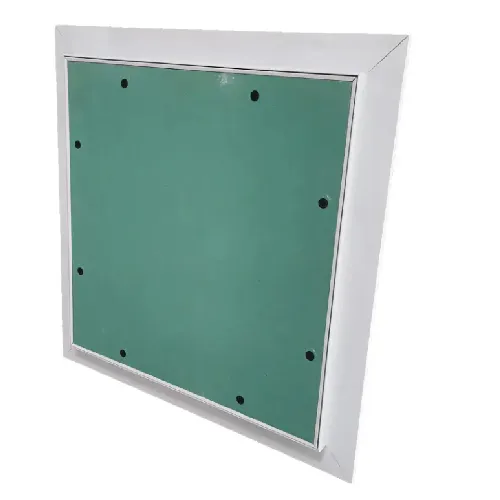
Put simply, it’s a framed opening fitted with a removable or hinged cover that integrates seamlessly into plasterboard ceilings. Imagine a square or rectangular door disguised as part of the ceiling surface, giving technicians and maintenance workers quick entry to pipes, cables, valves, or HVAC components hidden above. The panel often consists of durable materials designed to match the texture and finish of plasterboard — so the ceiling looks uninterrupted until you need access.
Linking construction convenience with operational necessity, these panels are a staple in building design. They're almost like the unsung heroes of accessibility — quiet, unobtrusive, and efficient.
Durability: Built to Last
Since ceiling access panels are often exposed to humidity, temperature variations, and sometimes fire risk, manufacturers use materials such as galvanized steel or aluminum framed with moisture-resistant plasterboard or composite materials. The goal is resilience to protect both panel integrity and the adjacent ceiling sections.
Cost Efficiency: A Practical Solution
Compared to major ceiling disassembly during repairs, access panels save time and money, reducing downtime for operations, especially in busy commercial or industrial buildings.
Scalability: One Size Doesn’t Fit All
Available in multiple sizes and configurations, these panels can be customized for everything from small maintenance hatches to larger access doors accommodating complex equipment.
Fire and Safety Compliance
Many modern access panels are rated for fire resistance, helping maintain the ceiling’s fire integrity, which is critical under building regulations.
Ease of Installation and Maintenance
Installation methods have evolved—from simple screw-in panels to snap-fit, tool-less designs, aiding installers and end-users alike.
Where Do Plasterboard Ceiling Access Panels Actually Get Used?
Their application crosses several industries and regions. In commercial offices, they grant access to electrical networks. In hospitals, they provide quick entry for regular HVAC checks so critical equipment always runs safely. Even in remote industrial zones, like oil rigs or mining operations, these panels help secure maintenance routes with minimal disruption.
Post-disaster scenarios highlight the value clearly. For example, in earthquake-affected regions, quick inspections of gas and water pipelines through ceiling access panels can prevent secondary hazards. Similarly, humanitarian organizations deploying temporary shelters often rely on modular panels to maintain infrastructure efficiently under tight deadlines.
Benefits That Last: The True Value of Ceiling Access Panels
- Economic savings: Reducing the need to dismantle ceilings repeatedly saves labor and materials.
- Safety assurance: Fire-rated panels maintain compartmentalization, protecting occupants.
- Sustainability impact: Durable panels extend system lifespans and reduce waste.
- Aesthetic harmony: Seamless integration maintains a clean, professional look.
- Peace of mind: Knowing that infrastructure can be accessed without hassle supports better building management.
It’s easy to overlook these benefits—but the ripple effect helps everyone involved from architects to end-users.
Looking Ahead: Trends Shaping Plasterboard Ceiling Access Panels
Material science is progressing too. Innovations include lightweight composites and recycled materials, making ceiling panels greener. Digital integration is on the horizon—imagine smart access panels equipped with sensors alerting managers when internal systems need maintenance.
Automation during installation and lockable designs for enhanced security are gaining traction. As green construction standards grow, these panels will play a bigger role in energy-efficient buildings, balancing airtightness with access.
Challenges and How Experts Are Tackling Them
No product is without flaws, and ceiling access panels face issues like poor sealing causing energy loss, or compatibility mismatches in renovation projects. However, many manufacturers now offer airtight seals and modular designs that adapt to different plasterboard thicknesses.
Training installers improves outcomes, as does creating clearer regulatory guidelines for installation and fire ratings. After all, a panel is only as good as its proper placement.
Frequently Asked Questions About Plasterboard Ceiling Access Panels
- Q: How do I choose the right size of plasterboard ceiling access panel?
- A: Consider the size of equipment or utilities you need to access regularly. Always allow for some clearance around pipes or cables for easy maneuvering.
- Q: Can I install a ceiling access panel myself, or should I hire a professional?
- While some basic panels are DIY-friendly, for fire-rated or custom-fit units, it's best to have a certified professional handle installation to comply with safety codes.
- Q: Are plasterboard ceiling access panels waterproof?
- Standard panels aren't typically waterproof but moisture-resistant options exist. Specify your environment's conditions before selecting a panel to avoid issues with humidity or leaks.
- Q: How often should these panels be inspected or maintained?
- Frequency depends on the building’s needs — industrial sites might check monthly, commercial buildings quarterly. Regular inspections prevent surprises and costly repairs.
Product Specification Table
| Specification | Details |
|---|---|
| Material | Galvanized steel frame with moisture-resistant plasterboard |
| Sizes | Standard sizes range from 200mm x 200mm up to 1200mm x 600mm |
| Fire rating | Up to 60 minutes (depending on model) |
| Installation | Screw-in, snap-fit, or hinged with tool-less entry options |
| Finish | Paintable surface to match ceiling |
Vendor Comparison Table
| Brand | Material Quality | Price Range | Customization | Fire Rating |
|---|---|---|---|---|
| Xingyuan Ceilings | High-grade galvanized steel | Mid to Premium | Full size and finish options | 60 minutes |
| AccessPRO | Standard aluminum frame | Budget-friendly | Limited | 30 minutes |
| CeilEasy Solutions | Composite panels with moisture resistance | Premium | Extensive; bespoke options | 45 minutes |
Final Thoughts
It’s funny how something as inconspicuous as a plasterboard ceiling access panel can quietly make such a difference behind the scenes — be it in soaring corporate skyscrapers or the sparse shelters set up after a flood. Designing buildings for longevity means thinking about easy access while maintaining style and safety. These panels help bridge that gap. If you’re planning maintenance projects or building from scratch, you’ll want to explore the options thoroughly — because a well-chosen panel saves headaches and, frankly, money down the road.
For those who want more info or tailored solutions, I’d absolutely recommend checking out plasterboard ceiling access panel providers. Trust me, this seemingly minor building block is key to professional and safe building management!
References
-
Benefits and Guide of Mineral Fiber Ceiling Board for InteriorsNewsApr.16,2026
-
Modern Mineral Fiber Ceiling Solutions for Acoustic PerformanceNewsApr.09,2026
-
Mineral Fibre Board Ceiling vs Gypsum Board A Comprehensive Comparison GuideNewsApr.07,2026
-
Comprehensive Guide to Mineral Fiber Ceiling Specification and PerformanceNewsApr.04,2026
-
What Are Mineral Fiber Ceiling Tiles Made Of And Their ApplicationsNewsMar.31,2026
-
Exploring the Benefits of Suspended Mineral Fibre Ceiling Systems for Modern BuildingsNewsMar.28,2026