
Nov . 28, 2025 16:25 Back to list
The Complete Guide to 24 x 24 Ceiling Access Panels – Features, Uses & Vendors
What’s the Deal with the 24 x 24 Ceiling Access Panel?
So, you’ve probably bumped into a 24 x 24 ceiling access panel without even realizing it. These little portals provide crucial entry points to hidden systems above ceilings — think electrical wires, HVAC units, or plumbing that managers and maintenance folks need to reach sometimes quickly, sometimes not-so-quickly (but definitely no wrecking of ceilings!). Now, globally, access panels like these solve a surprisingly big problem: making infrastructure maintainable without constant costly renovations.
Understanding this everyday component actually opens up a pathway into smarter building management and even disaster-readiness. Yep, it might sound trivial (air vents and panels?), but a well-designed access panel can save thousands of labor hours, reduce downtime, and even support safety standards compliance worldwide.
Global Context: Why Access Panels Are More Than Just Ceiling Fixtures
Before we get too technical, consider global building maintenance trends. According to the International Organization for Standardization (ISO), efficient building design is increasingly pivotal as urban centers densify and infrastructures age. The UN itself highlights that sustainable construction and retrofitting are essential to meet carbon reduction goals and improve energy use worldwide.
Yet here’s the rub: when areas need quick maintenance or emergency fixes — say, replacing a faulty cable in a skyscraper’s HVAC system — what’s the fastest route? Rip down walls or something elegant like a pre-installed, standardized 24 x 24 ceiling access panel?
These panels bridge the problem of accessibility vs. aesthetics and building integrity, and as demands grow for smarter buildings, their relevance keeps rising.
What Exactly Is a 24 x 24 Ceiling Access Panel?
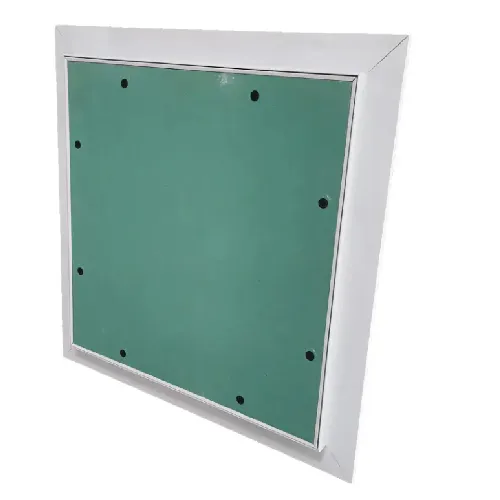
Simply put, a 24 by 24 inch ceiling access panel is a door-like opening in the ceiling that lets you reach above-ceiling utilities without damage or mess. The dimensions — 24" x 24" — have become a sort of “sweet spot” size for many facilities because it’s big enough for hands and small tools but compact enough to maintain visual discreetness.
Usually made from metal or durable composite materials, these panels fit flush within ceiling grids or drywall, equipped with a latch or a simple locking mechanism. You’ll find them everywhere: commercial offices, hospitals, government buildings — where easy access to control units, pipes, and wiring is mandatory.
Why does this matter beyond traditional buildings?
Think humanitarian responses, mobile clinics, even prefabricated housing. Access panels become gateways for quick inspections or repairs under challenging conditions, saving mission-critical time in places where every second counts.
Breaking Down the Key Components of a 24 x 24 Ceiling Access Panel
Durability and Build Quality
They have to stand the test of time and environmental stress — so sturdy aluminum or galvanized steel are front-runners here. Some brands even offer fire-rated or airtight versions for specialized needs.
Ease of Use & Accessibility
What good is an access panel if it’s a puzzle to open? Most use simple, twist or pin locks — no tools required. This speeds maintenance and reduces the chance of damage over repeated access.
Size Standardization
Why 24 x 24? Frankly, it’s the Goldilocks size: not too big to disrupt ceiling design or strength, and not too small to block access. Plus, it fits common ceiling grid patterns, making installation straightforward.
Cost Efficiency
This panel size and design strike a balance between affordability and functionality. Bulk orders drop unit costs, and because installation is simple, labor expenses are minimized.
Aesthetic Integration
Users appreciate panels that blend neatly with their ceiling — white finish, flush fittings, minimal profiles — so they don’t scream “maintenance hole!”
Customization Options
Many vendors offer panels with insulated cores, soundproofing, or fire rating. Some can be colored or coated to match specific interior designs or functional requirements.
Mini takeaway: durability, ease, and standardized sizing come together to make the 24 x 24 ceiling access panel an elegant solution for diverse environments.
Real-World Applications: Where These Panels Make a Difference
In industrial zones in Southeast Asia, maintenance teams rely on uniform access panels to reach complex piping and electrical systems quickly, reducing production downtime. Hospitals in Europe employ fire-rated 24 x 24 ceiling access panels to meet strict safety standards — an absolute must when saving seconds counts.
In disaster relief camps, these panels facilitate swift equipment checks without tearing into makeshift ceilings. They offer NGOs a reusable, lightweight solution during repeated setups — it’s funny how something so small can influence large-scale relief efficiency.
| Specification | Details |
|---|---|
| Panel Size | 24" x 24" (610mm x 610mm) |
| Material | Aluminum, Galvanized Steel, or Composite |
| Finish | Powder-coated white or custom colors |
| Locking Mechanism | Magnetic catch, Latch, or Screw lock |
| Fire Rating | Up to 90 minutes (optional) |
| Insulation | Available with acoustic or thermal cores |
Advantages and Long-Term Value of Choosing 24 x 24 Panels
For facilities managers, these panels mean faster inspections, lower installation and repair costs, plus the ability to maintain building integrity over time. Sustainability-wise, by preventing destructive access, they reduce waste and help buildings last longer without invasive retrofits.
Plus, there’s a peace-of-mind factor. When a panel snaps open smoothly and closes flush every time, it subtly builds trust with users and tenants. Not something you often think about with ceiling tiles, right? Oddly enough, that reliability impacts overall safety culture — which is priceless.
What’s Next? Trends Shaping Ceiling Access Panels’ Future
Green building initiatives are pushing manufacturers to develop panels with recycled or bio-based materials. There’s also a push toward sensor-integrated panels that alert managers if unauthorized access happens or environmental factors change above ceilings.
Digital transformation means interconnected building maintenance — access panels may soon be part of "smart" ceilings linked to building management systems, automating monitoring and diagnostics.
Common Challenges and How Industry Innovators Solve Them
The biggest hurdle? Mismatched panel sizes in older buildings, which complicates retrofits. Innovative modular panels with adjustable frames are emerging to fix that — think of them like stretchable window frames for ceilings.
Another snag is balancing airtightness with easy access. New gasket materials combined with magnetic locks are improving seals without compromising utility.
Frequently Asked Questions About 24 x 24 Ceiling Access Panels
- Q: Can I install a 24 x 24 access panel in drywall ceilings easily?
A: Absolutely. Most panels are designed for quick retrofit installs. They come with frames and mounting clips suited for drywall, making the job straightforward for your contractor. - Q: Are these panels suitable for fire-rated ceilings?
A: Many models offer fire-rated versions certified up to 90 minutes, compliant with ASTM E119 or similar standards. Just be sure to specify fire rating when ordering. - Q: How do I maintain and clean the access panel?
A: Maintenance is simple: wipe down with a damp cloth, check latches periodically, and ensure hinges stay lubricated if applicable to prevent squeaking or sticking. - Q: Are custom sizes available if 24 x 24 doesn't fit my space?
A: Most vendors will customize sizes, though 24 x 24 is industry standard for cost and availability. Customized panels might come with longer lead times and pricing adjustments. - Q: Can access panels help with energy efficiency?
A: Yes. Panels with proper insulation and air seals prevent HVAC losses, helping your building meet energy codes and reduce costs.
Wrapping It Up: Why the 24 x 24 Ceiling Access Panel Matters Long Term
It’s funny how such a modest product—just a 2x2 foot panel—makes big waves across construction, maintenance, and even humanitarian sectors. Its standardization, ease of use, and adaptability make it a quiet hero in building infrastructure.
For anyone managing buildings, offices, or emergency shelters, prioritizing quality ceiling access panels is a no-brainer. If you want reliable, durable access solutions tailored to your needs, take a look at 24 x 24 ceiling access panel options available through trusted vendors.
| Vendor | Material Options | Fire Rating | Customization | Price Range |
|---|---|---|---|---|
| Xingyuan Ceilings | Aluminum, Steel | Up to 90 mins | Size & finish customization | $$ |
| AccessPro Panels | Composite & Steel | Up to 60 mins | Limited sizes | $ |
| SteelLux | Galvanized Steel | Non-rated | Custom color only | $$ |
Takeaway: Whether you’re upgrading an office or planning a remote camp, the right 24 x 24 ceiling access panel avoids headaches and keeps your operations running smooth — literally out of sight but always within reach.
-
Benefits and Guide of Mineral Fiber Ceiling Board for InteriorsNewsApr.16,2026
-
Modern Mineral Fiber Ceiling Solutions for Acoustic PerformanceNewsApr.09,2026
-
Mineral Fibre Board Ceiling vs Gypsum Board A Comprehensive Comparison GuideNewsApr.07,2026
-
Comprehensive Guide to Mineral Fiber Ceiling Specification and PerformanceNewsApr.04,2026
-
What Are Mineral Fiber Ceiling Tiles Made Of And Their ApplicationsNewsMar.31,2026
-
Exploring the Benefits of Suspended Mineral Fibre Ceiling Systems for Modern BuildingsNewsMar.28,2026