
Selecting the right infrastructure for commercial interiors often boils down to the balance between accessibility and structural integrity. For project managers and architects, finding reliable t grid ceiling suppliers is not merely about purchasing aluminum or steel profiles, but about ensuring the long-term viability of building maintenance systems.
The T-grid system serves as the skeleton for suspended ceilings, supporting everything from mineral fiber boards to gypsum panels. When this skeleton is compromised by poor material quality or imprecise engineering, the result is sagging ceilings, misaligned tiles, and increased operational costs during the facility's lifecycle.
This guide examines the critical procurement benchmarks for ceiling grids, the technical nuances of material selection, and how to evaluate suppliers based on their production capacity and quality control standards to avoid common installation pitfalls.

The Role of T-Grid Systems in Modern Architecture

A T-grid ceiling is more than a decorative framework; it is a technical solution designed to mask essential building services while keeping them accessible. By creating a suspended plenum, these systems allow electrical conduits, HVAC ducts, and fire suppression pipes to reside above the visible ceiling line without compromising the room's aesthetics.
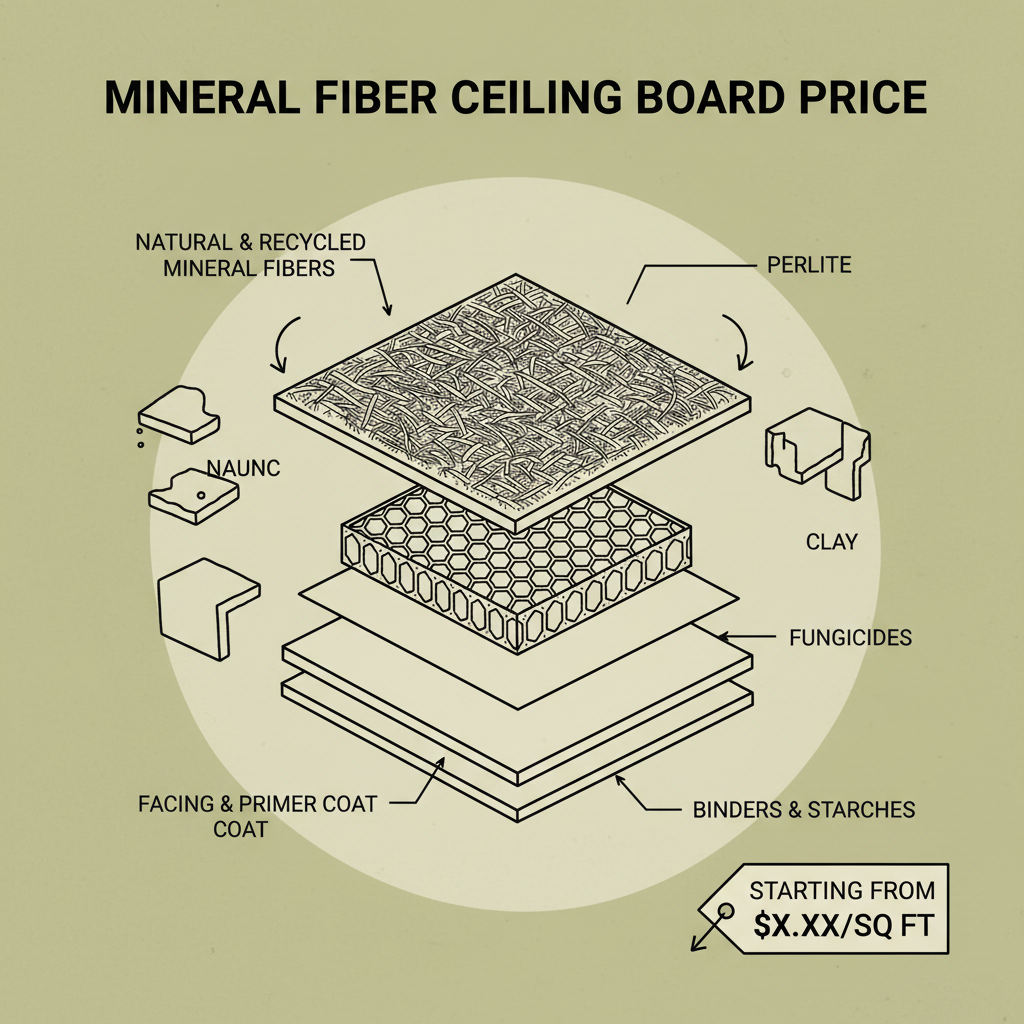
The efficiency of this system depends on the precision of the T-profiles. High-quality grids ensure that the weight of the ceiling tiles—whether they are Mineral Fiber or PVC Gypsum—is distributed evenly across the hanger wires, preventing structural deformation over time.
In industrial and commercial settings, the choice of supplier dictates the speed of installation. Precision-engineered grids click into place with minimal adjustment, reducing labor costs and ensuring a perfectly level finish across large surface areas.
Critical Engineering Standards for Ceiling Grid Selection
When auditing T-grid ceiling suppliers, the primary technical focus should be on the alloy composition and the coating thickness. Aluminum grids offer superior corrosion resistance, making them ideal for humid environments, while galvanized steel provides higher rigidity for heavy-duty acoustic tiles.
Another vital consideration is the tolerance level of the profiles. Minor deviations in the width of the T-bar can lead to gaps between tiles, which not only looks unprofessional but also reduces the sound-insulation properties of the ceiling system.
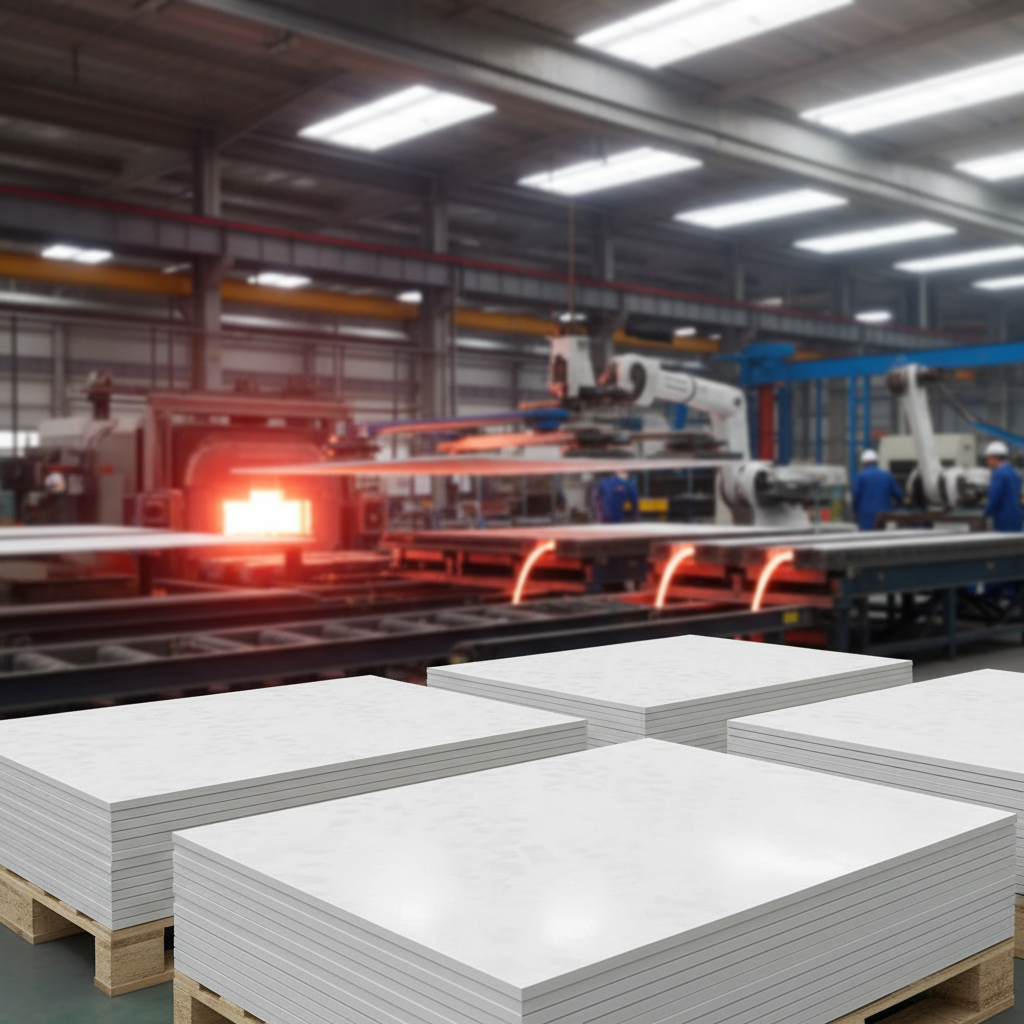
Advanced manufacturers employ scientific factory management and strict quality systems to ensure that every batch of grids meets international standards for non-combustibility and dimensional accuracy, which is essential for safety compliance in public buildings.
Optimizing Maintenance via Strategic Grid Integration
The true value of a T-grid system is realized during the maintenance phase of a building. Integrated access solutions, such as Ceiling Inspection Panels, allow facility managers to reach electrical conduits and air conditioning ducts without destroying the ceiling surface.
By combining a standard T-grid layout with strategically placed gypsum board access panels—available in sizes from 200x200mm to 600x600mm—buildings can maintain a seamless look while ensuring that critical pipeline repairs are hassle-free.
This synergy between the support grid and the access panel reduces the "down-time" for repairs and eliminates the need for costly drywall patching and repainting after every routine inspection of the plumbing or electrical systems.
Evaluating Grid Performance Against Material Weight
Different ceiling materials exert varying levels of stress on the T-grid. Mineral fiber ceilings, known for sound absorption and heat insulation, require a grid with high lateral stability to prevent the "wave effect" often seen in low-quality installations.
The following data illustrates the stability and installation efficiency when using precision-engineered grids compared to standard generic options across different material types.
t grid ceiling suppliers Performance Metrics
As shown, precision grids significantly improve the installation speed and structural stability, particularly when supporting heavier PVC Gypsum or specialized acoustic boards, ensuring the system remains plumb and secure.
Procurement Risks and Supplier Qualification Benchmarks
The most common risk in sourcing T-grid components is "specification drift," where the delivered product meets the basic dimensions but fails in load-bearing capacity or coating quality. This often happens when suppliers prioritize cost over metallurgical consistency.
To mitigate this, buyers should verify the supplier's integration of R&D and production. Companies that control the process from raw material sourcing to final finishing are better equipped to guarantee that the grids are non-combustible and resistant to mildew.
Furthermore, the availability of OEM services is a key indicator of a supplier's flexibility. The ability to customize frame sizes and door dimensions for access panels suggests a higher level of technical capability and quality control.
Future Trends in Sustainable Ceiling Support Systems
The industry is moving toward a circular economy, with an increasing focus on recyclable aluminum and low-VOC coatings. Future T-grid systems are likely to incorporate smarter mounting mechanisms that further reduce installation time and material waste.
There is also a growing demand for hybrid systems that combine the strength of steel with the lightweight properties of aluminum, allowing for larger open-ceiling spans without the need for excessive hanger wires.
Integration with "smart building" sensors is another emerging trend. We may see grids designed to house discreet IoT sensors for air quality and temperature monitoring, transforming the ceiling from a passive cover into an active data-gathering layer.
Comparative Decision Matrix for Grid Solution Types
Choosing between different grid configurations requires an analysis of the environment, the intended tile material, and the required frequency of ceiling access.
The table below provides a comparative overview of the most common ceiling support strategies used in commercial and industrial projects.
| Solution Type | Primary Material | Best Use Case | Maintenance Access |
|---|---|---|---|
| Standard T-Grid | Galvanized Steel | General Office Spaces | High (Tile Removal) |
| Heavy-Duty Grid | Reinforced Steel | Industrial Warehouses | Moderate (Structural) |
| Corrosion-Resistant | Anodized Aluminum | Bathrooms/Kitchens | High (Removable) |
| Acoustic-Optimized | Aluminum Alloy | Conference Rooms | Moderate (Specialized) |
| Integrated Access | Aluminium + Gypsum | Technical Corridors | Immediate (Hatch) |
| Lightweight Grid | Thin-wall Aluminum | Retail Pop-ups | Easy (Quick-swap) |
Depending on the specific needs of the project, a combination of these systems is often the most efficient approach. For those evaluating technical specifications for their next project, detailed product ranges can be explored via www.xingyuanceilings.com.
Frequently Asked Questions
Conclusion
The success of a suspended ceiling project depends less on the visible tiles and more on the invisible strength of the T-grid system. By prioritizing precision engineering and material quality, facility managers can ensure a professional finish that simplifies maintenance and enhances building safety.
Whether opting for high-performance mineral fiber solutions or versatile PVC gypsum ceilings, the partnership with a capable manufacturer is the most critical decision in the procurement process. For further technical data on ceiling grids and access panels, readers can review the information available through www.xingyuanceilings.com.